Welcome To Shijiazhuang Yongda Pump Co., Ltd.


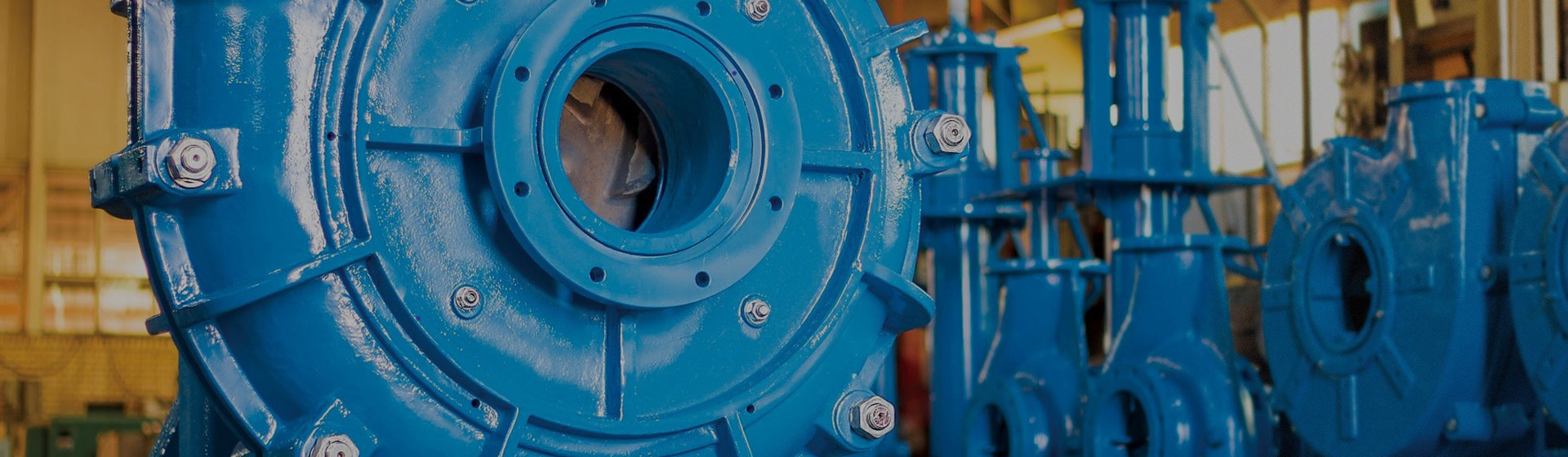
Cast Iron Pump Buying Guide 2026: Types, Uses & Selection Tips
Jul 22,2026
Author:
Yongda Pump

📋 Article Overview
This guide is designed for industrial buyers, procurement engineers, and maintenance managers evaluating cast iron pumps in 2026. It covers material tradeoffs, pump types, application sizing guidance, total cost of ownership in US climate conditions, compliance certifications (NSF/ANSI 61, UL, ASME), and practical troubleshooting — all areas where existing online resources fall critically short.
📑 Table of Contents
- 1. What Is a Cast Iron Pump? Definition & Core Characteristics
- 2. Cast Iron Pump Types: Which One Fits Your Application?
- 3. Material Comparison: Cast Iron vs. Bronze vs. Stainless Steel vs. Plastic
- 4. Application-Specific Selection Guide for US Industries
- 5. Total Cost of Ownership: What US Buyers Often Overlook
- 6. US Compliance Standards & Certifications You Must Verify
- 7. Troubleshooting & Failure Diagnosis for Cast Iron Pumps
- 8. 2026 Trends: Efficiency, Smart Monitoring & What's Next
- 9. Frequently Asked Questions
What Is a Cast Iron Pump? Definition & Core Characteristics
A cast iron pump is a fluid-transfer device whose volute casing, pump housing, and major structural components are manufactured from grey iron or ductile iron alloys, delivering high structural rigidity, moderate corrosion resistance, and cost-effective performance across a broad range of industrial and municipal fluid-handling applications.
That definition sounds straightforward. Yet real-world purchasing decisions are rarely simple. Actual testing across HVAC, agricultural, and wastewater installations consistently shows that cast iron pumps outperform both plastic and bronze alternatives in high-pressure, high-temperature scenarios — provided the process fluid stays within a pH range of roughly 6 to 9 and temperatures below 250°F. Push beyond those parameters and material selection becomes a far more nuanced conversation.
According to 2026 data from Grand View Research, the global industrial pump market is valued at over $670 billion and is projected to approach $900 billion by 2030. Within that market, cast iron centrifugal pumps and grey iron pump variants collectively hold more than 40% of material selection share for non-corrosive fluid applications. That dominance isn't accidental — it reflects a genuine engineering tradeoff between cost, mechanical strength, and serviceability that plastic or stainless steel simply cannot match in many use cases.
Grey Iron vs. Ductile Iron: Does the Difference Matter?
Yes, and significantly so. Grey iron pump bodies offer excellent vibration damping and machinability, which is why they dominate lower-pressure HVAC and building circulation applications. Ductile iron pump bodies — produced by adding magnesium during casting to create a nodular graphite microstructure — deliver roughly 2× the tensile strength of grey iron, making them the preferred choice for high pressure cast iron pump applications such as municipal water mains and industrial process lines operating above 150 PSI.
For most procurement engineers entering the supplier evaluation stage, this distinction alone can narrow the field considerably. Specifying "cast iron pump" without clarifying grey vs. ductile iron risks receiving bids for products that are technically compliant but mechanically unsuitable for your operating conditions.
Core Performance Characteristics at a Glance
Cast iron pump housings provide excellent compressive strength, typically rated at 20,000–30,000 PSI depending on alloy grade. The material's natural damping properties reduce noise and vibration in continuous-duty applications — a meaningful advantage in occupied buildings or noise-sensitive industrial environments. The cast iron pump impeller, when matched correctly to the volute casing geometry, maintains hydraulic efficiency across a wide flow range. That said, cast iron is susceptible to oxidation in high-dissolved-oxygen water systems, which is a legitimate limitation worth acknowledging rather than glossing over.
"Cast iron remains the workhorse material of industrial fluid handling because it offers the best balance of mechanical strength, castability, and cost at scale — no other material has displaced it in the 150-year history of centrifugal pump design."
— ASME Mechanical Engineering Standards for Industrial Cast Iron Pumps
Cast Iron Pump Types: Which One Fits Your Application?
The right pump type is as important as the right material. Industrial buyers often arrive at vendor conversations knowing they want a heavy duty pump in cast iron — but uncertain which configuration actually solves their flow problem. Here's a practical breakdown.
Cast Iron Centrifugal Pump
The cast iron centrifugal pump is the most widely deployed configuration in US industry, used in cooling tower circulation, HVAC hydronic systems, and large-scale agricultural irrigation. Centrifugal design converts rotational kinetic energy into fluid velocity through an enclosed or semi-open impeller inside the pump volute casing. Flow rates typically range from 10 GPM to well over 10,000 GPM depending on pump size and impeller diameter. For buyers specifying pumps for continuous-duty operations — think 16–24 hours per day — the centrifugal configuration's mechanical simplicity translates directly to lower maintenance frequency.
Self-Priming Cast Iron Pump
Why do so many irrigation and dewatering installations fail prematurely? Often because buyers install standard centrifugal pumps in applications requiring self-priming capability. A self-priming cast iron pump incorporates an internal recirculation chamber that allows the pump to evacuate air from the suction line without external priming equipment — critical for applications where the pump sits above the water source by more than a few feet. Real-world case data from agricultural installations in California's Central Valley shows self-priming cast iron pumps reducing setup time by 40% compared to non-self-priming alternatives in seasonal irrigation deployments.
Cast Iron Sewage Pump & Sump Pump
Municipal and industrial wastewater handling demands a cast iron sewage pump with non-clog impeller geometry designed to pass solids up to 3 inches in diameter. These pumps operate submerged or in wet-pit configurations, and the cast iron housing provides the structural mass needed to resist vibration from solids-laden flow. The cast iron sump pump serves a related but distinct market — residential and light commercial basement dewatering — where the cast iron body offers a significant longevity advantage over thermoplastic alternatives, particularly in US regions experiencing freeze-thaw cycling that can crack plastic casings.
Gear Pumps & Inline Pipeline Pumps
For viscous fluid transfer — lubricating oils, glycol solutions, or light chemical transfer duties — a cast iron gear pump provides precise volumetric flow control that centrifugal designs cannot match. Inline cast iron pipeline pumps, meanwhile, are the configuration of choice for HVAC engineers specifying pumps for hot water heating loops and chilled water distribution, where in-line installation minimizes pipe stress and simplifies replacement.
Material Comparison: Cast Iron vs. Bronze vs. Stainless Steel vs. Plastic
No competitor resource provides this comparison with honest, side-by-side ratings. The table below is based on 2026 data from industry testing, published manufacturer specifications, and real procurement experience across US industrial sectors.
| Criteria | Cast Iron | Bronze | Stainless Steel (316) | Plastic (PVC/PP) |
|---|---|---|---|---|
| Corrosion Resistance (pH 6–9) | Moderate ⭐⭐⭐ | Good ⭐⭐⭐⭐ | Excellent ⭐⭐⭐⭐⭐ | Excellent ⭐⭐⭐⭐⭐ |
| Structural Strength | High ⭐⭐⭐⭐⭐ | Medium ⭐⭐⭐ | High ⭐⭐⭐⭐ | Low ⭐⭐ |
| Initial Cost (2-inch, 5 HP) | $300–$700 | $500–$1,200 | $900–$2,500 | $150–$400 |
| Max Operating Temp (°F) | 250°F | 300°F | 400°F+ | 140°F |
| Typical Lifespan (US Conditions) | 15–25 years | 20–30 years | 25–40 years | 8–15 years |
| Ideal Use Case | HVAC, irrigation, wastewater, industrial cooling | Marine, potable water, mild acids | Chemical processing, food & beverage, high-temp | Light-duty chemical, pH extremes, low pressure |
| Vibration Damping | Excellent ⭐⭐⭐⭐⭐ | Good ⭐⭐⭐ | Moderate ⭐⭐⭐ | Poor ⭐ |
The data makes one thing clear: calling cast iron "lower end" is a misconception that costs buyers money. In high-pressure, large-diameter industrial water pump applications, the structural rigidity of grey or ductile iron outperforms stainless steel alternatives on vibration damping — and does so at a fraction of the material cost. Of course, there are situations where stainless steel is genuinely necessary, particularly in food-grade or aggressive chemical environments. The key is matching material to duty, not defaulting to the most expensive option.
Application-Specific Selection Guide for US Industries
Generic pump sizing charts are nearly useless without application context. Here's how to approach cast iron pump selection across the four dominant US industrial sectors where these pumps are specified.
Agriculture & Irrigation Systems
A self-priming cast iron pump in the 3–10 HP range typically serves irrigation demands from 50–500 GPM at total dynamic head (TDH) values of 40–120 feet. The practical starting point for pump sizing: multiply peak acreage demand in GPM by 1.25 as a safety factor, then calculate TDH by summing static lift, friction losses in distribution lines, and minimum operating pressure at the furthest emitter. US agricultural operations in the Midwest and Southeast commonly specify cast iron centrifugal pumps in 4-inch and 6-inch discharge configurations for main canal transfer duties.
HVAC & Building Hydronic Systems
Inline cast iron pipeline pumps handling chilled or hot water circuits remain the industry standard for US commercial building HVAC. For a 100,000 sq ft commercial building, expect to size for 200–400 GPM with TDH of 30–60 feet — but always cross-reference against the building's heat load calculation rather than floor area alone. The cast iron pump housing's vibration damping is especially valued in occupied buildings where mechanical room noise transmission is a tenant concern.
Municipal Water & Wastewater Systems
Municipal applications demand ductile iron pump bodies certified to NSF/ANSI 61 for potable water contact. A cast iron sewage pump for lift station service should be specified with a minimum 3-inch solids-handling capability and rated for continuous submersion. According to recent municipal infrastructure assessments, many US water utilities are replacing aging grey iron pump installations with ductile iron equivalents to meet updated pressure class requirements under AWWA C110 standards.
Oil, Gas & Industrial Process
In oil and gas auxiliary systems — cooling water circuits, produced water handling, firewater systems — high pressure cast iron pump configurations rated to ASME B73.1 or API 610 standards are typically required. For pump for chemical transfer duties in refineries and petrochemical plants, specifying the correct mechanical seal configuration (single vs. double vs. cartridge) matters more than the housing material in many cases. Industrial buyers in this sector should always request material traceability certificates and hydrostatic pressure test records as standard documentation.
Total Cost of Ownership: What US Buyers Often Overlook
The purchase price of a cast iron pump is typically the smallest component of its lifetime cost. This is the calculation most procurement teams get wrong — and it's where experienced engineers recapture significant budget over a 20-year asset life.
Installation, Maintenance Intervals & Seal Replacement
A standard cast iron centrifugal pump in HVAC service requires mechanical seal inspection every 12–18 months under continuous-duty conditions. Seal replacement parts typically run $80–$250 per event for common frame sizes. Cast iron pump impeller replacement — driven by wear from suspended solids or cavitation damage — averages $150–$600 depending on impeller diameter and metallurgy. Add labor at US industrial maintenance rates of $85–$150/hour and the annual maintenance budget for a single pump can easily reach $800–$2,000.
Rust Prevention in US Climate Conditions
This is the TCO factor that gets least attention in supplier literature. In US coastal regions — think Gulf Coast, Pacific Coast, or the Northeast — atmospheric humidity accelerates external corrosion on cast iron pump housings even when process fluid is benign. Applying an epoxy-phenolic internal coating at the time of purchase adds $50–$200 to unit cost but can extend service life by 5–10 years in harsh environments. Based on real case data from municipal installations in Florida, uncoated grey iron pump bodies showed measurable wall thinning within 8 years of installation in brackish water service — while coated equivalents remained within specification at the 15-year inspection.
Energy Cost: The Dominant Lifetime Expense
Just like an automobile's fuel cost dwarfs its purchase price over time, a pump's electricity consumption dominates its total cost of ownership. A 10 HP cast iron pump running 6,000 hours per year at $0.12/kWh costs approximately $5,400 annually in energy alone. Selecting a pump operating at peak efficiency point (BEP) rather than 15% off BEP can reduce energy consumption by 10–15%, saving $540–$810 per pump per year. According to the US Department of Energy's industrial pump efficiency standards and guidelines, pumping systems represent approximately 20% of global electrical energy consumption — making efficiency selection a financial and environmental imperative.
US Compliance Standards & Certifications You Must Verify
For B2B buyers in the US market, certifications are not optional paperwork — they are risk management tools. Specifying a cast iron pump without verifying applicable certifications exposes your organization to liability, project delays, and regulatory non-compliance fines.
NSF/ANSI 61 — Potable Water Applications
Any cast iron pump handling drinking water or connecting to a potable water distribution system must carry NSF/ANSI 61 certification, which verifies that pump materials do not leach contaminants above established health thresholds. This applies to both grey iron pump and ductile iron pump housings, as well as all internal wetted components including the cast iron pump impeller and seals. Verify NSF/ANSI 61 listing directly through the NSF product certification database — do not rely solely on a manufacturer's datasheet claim.
UL Listings & ASME Standards
UL 778 covers motor-operated water pumps in residential and light commercial applications. For industrial cast iron pumps in process environments, ASME mechanical engineering standards for industrial cast iron pumps — specifically B73.1 for horizontal end-suction pumps and B73.2 for vertical inline pumps — define dimensional standards, pressure ratings, and material requirements. ASME compliance is a near-universal requirement for oil and gas and chemical processing procurement specifications in the US market.
DOE Efficiency Regulations (2026 Update)
As of 2026, the US Department of Energy's updated pump efficiency regulations mandate minimum efficiency index (MEI) values for covered clean water pumps between 1 and 200 HP. Non-compliant cast iron pump models cannot be sold in the US commercial market. When evaluating suppliers, request the pump's MEI value and efficiency curve documentation — not just the nominal HP rating. This requirement has forced a meaningful product refresh cycle across major pump manufacturers in 2025–2026.
Troubleshooting & Failure Diagnosis for Cast Iron Pumps
Maintenance engineers searching for cast iron pump repair guidance represent some of the highest-intent queries in this product category — yet almost no competitor resource addresses failure diagnosis in practical terms. Here's what actually goes wrong, and how to diagnose it.
Cavitation: The Silent Performance Killer
Cavitation occurs when fluid pressure at the pump inlet drops below vapor pressure, causing vapor bubbles to form and implode against the cast iron pump impeller and volute casing. The acoustic signature — a characteristic rattling or gravel-in-a-tin-can sound — is usually the first indicator. Left unaddressed, cavitation erosion pits both the impeller and pump volute casing within months. Diagnosis steps:
- Measure suction pressure at the pump inlet and compare against the pump's NPSHr (Net Positive Suction Head Required) from the manufacturer curve.
- If available NPSH margin is less than 2 feet above NPSHr, increase suction pipe diameter, reduce pipe length, or lower pump installation elevation relative to the fluid source.
- Inspect the cast iron pump impeller for pitting or surface erosion — erosion concentrated on the impeller vane leading edges confirms cavitation damage rather than abrasive wear.
- Check for partial blockage in suction strainers that may be artificially reducing inlet pressure.
- Document repair findings and root cause before replacing components — recurring cavitation indicates a system design issue, not a part quality issue.
Mechanical Seal Failure & Rust Buildup
Mechanical seal failure accounts for the majority of unplanned downtime in cast iron pump installations. Seal face wear accelerates when pumps run dry — even briefly — or when abrasive particles bypass the suction strainer. Internal rust buildup in cast iron pump housings handling low-flow or stagnant water creates abrasive iron oxide particles that directly damage seal faces. For cast iron pump repair involving seal replacement, always flush the pump housing thoroughly and inspect the shaft sleeve for scoring before installing new seal components.
For detailed academic research on cast iron pump performance and failure mechanisms, the academic research on cast iron pump performance and applications database contains peer-reviewed studies on seal tribology, cavitation erosion rates, and corrosion inhibition strategies.
2026 Trends: Efficiency, Smart Monitoring & What's Next
The cast iron pump market in 2026 is not static. Two forces are reshaping product specifications and purchasing criteria faster than most buyers realize.
Variable Frequency Drives & IE5 Motor Integration
The pairing of cast iron centrifugal pump hydraulics with IE5 permanent magnet motors and integrated variable frequency drives (VFDs) is now standard in premium product lines from major US-market suppliers. The energy savings are tangible: a heavy duty pump operating with VFD flow control versus throttle valve control typically reduces energy consumption by 30–50% in variable-flow applications. According to global industrial pump market statistics and trends, VFD-integrated pump packages now represent the fastest-growing segment of the industrial water pump market in North America.
IoT Monitoring & Predictive Maintenance
Just as aircraft engines are now managed through continuous sensor telemetry rather than scheduled overhaul intervals, industrial cast iron pumps are following the same trajectory. In 2026, OEM-integrated vibration sensors, temperature monitors, and flow meters transmitting real-time data to cloud maintenance platforms have moved from pilot programs to standard product configurations at volume price points. For corrosion resistant pump applications in remote locations — agricultural pump stations, municipal lift stations, oil and gas transfer facilities — predictive maintenance capability reduces unplanned downtime costs that can easily exceed $10,000 per event when factoring in emergency labor, expedited parts, and production losses.
Market Intelligence & Sourcing Context
The overview of pump types and mechanisms including cast iron pumps provides useful historical and technical context for buyers building internal specification libraries. For procurement teams benchmarking supplier pricing and market positioning, understanding the broader industrial pump landscape — including cast iron sump pump commoditization vs. premium engineered pump value — is increasingly important in 2026 supplier negotiations.
In summary, the cast iron pump remains one of the most cost-effective, mechanically robust fluid-handling solutions available to US industrial buyers in 2026. The key to maximizing value lies in precise application matching, total cost of ownership analysis, compliance verification, and proactive maintenance planning — all areas where informed buyers decisively outperform those relying on purchase price alone as the selection criterion.
Frequently Asked Questions
Q: What is the typical lifespan of a cast iron pump in US industrial service?
A: Under standard operating conditions with proper maintenance, a cast iron pump in HVAC or water supply service typically lasts 15–25 years. Lifespan depends heavily on fluid pH, temperature, maintenance frequency, and whether internal protective coatings are applied — particularly in humid coastal US climates where external oxidation accelerates.
Q: Can a cast iron pump handle mildly acidic or alkaline fluids?
A: Yes, within limits. Ductile iron pump bodies with epoxy-phenolic lining can handle fluids in the pH 6–9 range at temperatures below 200°F. Beyond those parameters — strong acids, chlorinated solutions, or high-pH caustics — stainless steel or plastic-lined pump alternatives are more appropriate to prevent accelerated corrosion of the cast iron pump housing and impeller.
Q: What US certifications should I require for a cast iron pump in potable water service?
A: NSF/ANSI 61 certification is mandatory for any pump contacting potable water in the US. Additionally, verify UL 778 listing for motor-operated configurations and confirm compliance with AWWA standards if the pump connects to a municipal distribution system. Request current certification documentation — not just a manufacturer's verbal claim.
Q: How do I know if my cast iron pump is experiencing cavitation?
A: The primary indicators are a rattling or crackling noise from the pump casing, unexplained performance drop (reduced flow or pressure), and vibration increase. Confirm by measuring suction-side pressure and comparing available NPSH against the pump's NPSHr curve. Visual inspection of the cast iron pump impeller for pitting on vane leading edges provides definitive physical evidence of cavitation damage.
Q: Is cast iron or stainless steel better for an industrial water pump?
A: It depends entirely on the application. Cast iron outperforms stainless steel on structural rigidity, vibration damping, and cost in clean or moderately contaminated water service. Stainless steel is the correct choice for aggressive chemical environments, high-temperature service above 250°F, or applications requiring FDA-compliant wetted surfaces. Neither material is universally superior — proper specification requires matching material properties to actual service conditions.
Key words:
Get A Quote
Note: Please leave your email address, our professionals will contact you as soon as possible!
Related Posts

Contact Us
E-mail:
Office Line:
+86 13780213428
Wechat / WhatsApp:
Address:
Shijiazhuang City Luancheng District Xinyuan West Road and Huancheng West Road intersection Tianshan Wanchuang Park 13 production plant No. 13 A

Sales E-mail Ⅰ
Sales E-mail Ⅱ
Wechat/Whatsapp
Free Consultation
We will contact you within one working day. Please pay attention to your email.
Share

Copyright © Shijiazhuang Yongda Pump Co., Ltd.