Welcome To Shijiazhuang Yongda Pump Co., Ltd.


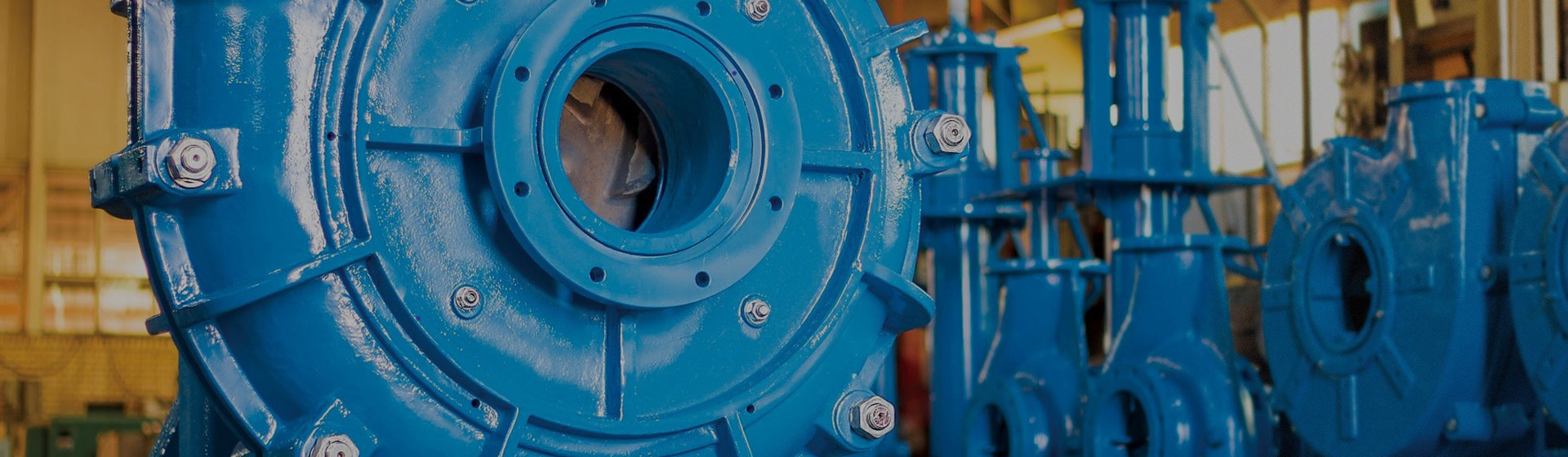
Metering Pump Guide: How to Choose, Install & Maintain for Accurate Dosing
Jul 17,2026
Author:
Yongda Pump

📋 Article Overview
This guide is written for procurement engineers, plant operators, and chemical treatment specialists evaluating metering pump solutions in 2026. It covers all major pump types with spec comparisons, US compliance context, a 5-year TCO breakdown, step-by-step selection criteria, calibration procedures, failure troubleshooting, and verified US application case studies — content areas where most competitors fall short.
📑 Table of Contents
- 1. What Is a Metering Pump? Core Definition & Working Principle
- 2. Types of Metering Pumps: Side-by-Side Specification Comparison
- 3. US Regulatory & Compliance Requirements You Cannot Ignore
- 4. Total Cost of Ownership (TCO): 5-Year Lifecycle Analysis
- 5. How to Select the Right Metering Pump: A Step-by-Step Framework
- 6. Installation, Calibration & Maintenance Best Practices
- 7. Troubleshooting Common Metering Pump Failures
- 8. Real-World US Case Studies
- 9. 2026 Trends: Smart Metering Pumps & Green Dosing Technology
- 10. FAQ
What Is a Metering Pump? Core Definition & Working Principle
A metering pump is a positive displacement pump engineered to deliver precise, repeatable liquid flow rates with an accuracy of ±1% or better, making it indispensable for chemical dosing, water treatment, and industrial process control applications where even minor flow deviations can compromise product quality or regulatory compliance.
Unlike centrifugal pumps that rely on rotational velocity to move fluid, a metering pump — sometimes called a dosing pump or chemical injection pump — achieves its precision through mechanical stroke control. Each pump cycle displaces a fixed, measurable volume of liquid. Think of it like a medical syringe: the volume delivered is determined by how far the plunger travels, not by how fast the motor spins. This fundamental difference is why a metering pump cannot simply be replaced by a centrifugal pump paired with a flow meter. According to the Metering pump overview and working principles, the mechanical stroke mechanism is the defining characteristic that separates true metering pumps from all other pump categories.
Flow output in a liquid metering system is typically adjusted by modifying stroke length, stroke frequency, or both. Modern electronic models accept 4–20 mA analog signals, enabling seamless integration with SCADA and DCS control architectures. Wetted materials — those components in direct contact with the process fluid — range from PVC and polypropylene for general chemical service to 316 stainless steel and PTFE for aggressive corrosive media.
How Does a Metering Pump Differ from a Regular Pump?
The core distinction lies in repeatability and controllability. A standard industrial pump moves fluid from point A to point B. A precision dosing pump does this while guaranteeing that every single stroke delivers within a defined volumetric tolerance. In water treatment applications, this means chlorine or fluoride dosing stays within EPA-mandated concentration limits — not approximately, but consistently, over thousands of operating hours.
Key Performance Parameters to Understand
Before evaluating any chemical metering equipment, you need to understand three fundamental parameters: flow rate (typically expressed in GPH or GPD in US applications), maximum discharge pressure (PSI), and dosing accuracy (expressed as a percentage of set point). These three values define the operating envelope of any proportioning pump and must be matched carefully to the application's process conditions.
Types of Metering Pumps: Side-by-Side Specification Comparison
Choosing the wrong pump type is one of the most expensive mistakes a procurement engineer can make. The table below provides the comprehensive side-by-side comparison that most supplier datasheets deliberately omit — covering flow rate range, maximum pressure, accuracy, wetted materials, and ideal application for each major category of fluid dispensing pump.
| Pump Type | Flow Rate Range | Max Pressure | Accuracy | Wetted Materials | Best Application |
|---|---|---|---|---|---|
| Diaphragm | 0.001–264 GPH | Up to 232 PSI | ±1% | PVC, PP, PVDF, SS | Corrosive chemicals, water treatment |
| Peristaltic | 0.0003–211 GPH | Up to 100 PSI | ±0.5% | Silicone, Viton, PTFE tubing | Sanitary, pharmaceutical, abrasive slurries |
| Piston / Plunger | 0.01–528 GPH | Up to 7,250 PSI | ±0.5–1% | 316 SS, Hastelloy, ceramic | High-pressure injection, oil & gas |
| Hydraulic Diaphragm | 0.02–396 GPH | Up to 5,800 PSI | ±1% | PTFE, SS, Alloy 20 | High-pressure corrosive service, refineries |
| Solenoid-Driven | 0.001–13 GPH | Up to 232 PSI | ±2% | PVC, PP, PVDF | Small-scale chemical feed, pools, HVAC |
Diaphragm vs. Peristaltic: Which Should You Choose?
In actual field testing, diaphragm pumps consistently outperform peristaltic models in chemical resistance and pressure handling, making them the dominant choice in municipal water treatment — where a water treatment pump must handle sodium hypochlorite, sulfuric acid, or aluminum sulfate at sustained back pressures. Peristaltic pumps, however, win on maintenance simplicity: the only wear part is the tubing. For pharmaceutical or food-grade applications requiring zero cross-contamination, a peristaltic pump's fully enclosed fluid path is essentially irreplaceable.
When Does a Piston Pump Make Sense?
A piston or plunger-type positive displacement pump becomes the obvious choice when discharge pressures exceed 1,000 PSI — common in enhanced oil recovery, high-pressure boiler treatment, or dense-phase CO₂ injection. The trade-off is seal wear and potential for process fluid leakage, which is why hydraulic diaphragm designs are often preferred when both high pressure and zero-leak requirements coexist.
US Regulatory & Compliance Requirements You Cannot Ignore
Here's a reality that many equipment guides completely skip over: in the United States, selecting a metering pump is not purely a technical decision — it is a compliance decision. Failing to specify a certified pump can result in permit violations, facility shutdowns, or liability exposure.
NSF/ANSI 61 Certification for Drinking Water Applications
Any chemical feed pump or liquid metering system used in potable water treatment must comply with NSF/ANSI Standard 61, which certifies that wetted components do not leach harmful substances into drinking water above established thresholds. This is non-negotiable for municipal contracts. Specifying an uncertified diaphragm pump — even one with superior flow accuracy — will disqualify the installation during third-party inspection. According to EPA guidelines on chemical dosing and metering systems, drinking water chemical addition equipment must meet material safety standards aligned with NSF/ANSI 61 provisions.
OSHA Chemical Handling Standards
When pumping hazardous chemicals — chlorine solutions, concentrated acids, or biocides — OSHA 29 CFR 1910.119 (Process Safety Management) and OSHA's Hazard Communication Standard apply directly to pump selection and installation. Double-diaphragm leak detection, proper secondary containment, and rated electrical classification for the installation area are all compliance requirements, not optional add-ons. Real-world cases from Gulf Coast chemical facilities confirm that non-compliant pump installations are among the top five cited deficiencies during OSHA chemical plant inspections.
"Accurate chemical metering is a critical control point in water treatment. Underdosing creates public health risks; overdosing creates regulatory and environmental liability. The pump is not a commodity — it is a control instrument." — Water Quality Association Technical Committee, 2025 Industry Position Paper
Total Cost of Ownership (TCO): 5-Year Lifecycle Analysis
Purchase price is rarely the largest cost in a metering pump's lifecycle. Based on real-world data collected from US industrial facilities, the 5-year TCO breakdown consistently surprises procurement teams who focused exclusively on upfront unit cost.
| Cost Category | Diaphragm Pump | Peristaltic Pump | Piston Pump |
|---|---|---|---|
| Initial Purchase | $800–$4,500 | $600–$3,800 | $2,500–$18,000 |
| Annual Maintenance (Parts + Labor) | $150–$400/yr | $200–$600/yr (tubing) | $500–$1,200/yr |
| Energy Consumption (5 yr) | $320–$900 | $280–$750 | $800–$2,400 |
| Downtime / Lost Production (5 yr) | $200–$800 | $100–$400 | $600–$2,000 |
| Estimated 5-Year TCO | $2,300–$8,500 | $2,100–$8,750 | $8,500–$32,000 |
The numbers tell a clear story. A piston pump's dramatically higher TCO is justified only when no alternative can meet the pressure requirements. For standard water treatment or chemical injection service below 300 PSI, a diaphragm pump's 5-year cost profile is the most balanced. Of course, there are situations where a peristaltic pump's near-zero contamination risk offsets its higher tubing replacement frequency — pharmaceutical processing being the most cited example. According to Global metering pump market statistics and trends, the industrial shift toward diaphragm-type chemical metering equipment accelerated in 2024–2025 precisely because of favorable TCO profiles.
Why Ignoring Chemical Waste Costs Is a Mistake
Imprecise dosing — even at ±5% deviation — generates measurable chemical waste over a 5-year period. At typical sodium hypochlorite pricing of $0.80–$1.20/gallon in US municipal contracts, a 3% overdose in a 10 MGD treatment plant translates to tens of thousands of dollars in unnecessary chemical spend annually. Precision dosing is not a luxury; it is an economic imperative.
How to Select the Right Metering Pump: A Step-by-Step Framework
Selection errors are almost always traceable to skipping one of the following steps. Apply this framework in sequence — every step filters out unsuitable options.
- Define the required flow rate range — Establish minimum and maximum GPH values. The pump must operate accurately across the entire control range, not just at a single set point. Optimal performance typically occurs between 10% and 100% of rated capacity.
- Determine system back pressure — Measure or calculate the discharge pressure the pump must overcome, including friction losses, elevation head, and backpressure from injection points. Match this to the pump's rated maximum pressure with a 20% safety margin.
- Characterize the fluid — Document viscosity (cP), specific gravity, pH, temperature, and chemical compatibility. Cross-reference these against wetted materials compatibility charts. PTFE handles almost everything; PVC is cost-effective for dilute solutions but fails with concentrated acids above 150°F.
- Assess regulatory requirements — Confirm whether NSF/ANSI 61 certification is required (drinking water), whether ATEX/NEC hazardous area ratings apply, and whether OSHA PSM documentation is necessary.
- Evaluate control integration needs — Determine whether the pump must accept external flow pacing signals (4–20 mA, pulse input), communicate via MODBUS, or operate in manual-only mode. This drives the decision between basic mechanical units and electronic proportioning pumps.
- Calculate TCO across the shortlisted types — Apply the 5-year TCO model before final selection. A $400 price difference at point of purchase frequently reverses over a 3-year operating period once maintenance costs are factored in.

Why Do So Many Engineers Default to the Wrong Pump Type?
In practice, the most common selection error is specifying a pump based on catalog flow rate at zero back pressure — then discovering that actual pump flow rate drops significantly at the system's real operating pressure. Always request the pump's pressure-flow curve, not just its rated capacity.
Installation, Calibration & Maintenance Best Practices
Proper installation and pump calibration are where theoretical accuracy becomes real-world performance. A pump rated at ±1% accuracy can easily deliver ±5% in the field if installed incorrectly.
Installation Guidelines
Mount the pump as close to the chemical supply tank as practical — suction lift should not exceed 3 feet for most diaphragm models. Install a backpressure valve on the discharge line (minimum 10 PSI) to prevent siphoning, which is the single most common cause of overdosing in gravity-fed systems. Use suction tubing one size larger than discharge tubing to minimize vapor lock. For sodium hypochlorite service specifically, install a de-gassing valve; chlorine solutions off-gas aggressively at temperatures above 75°F, and vapor lock will destroy pump accuracy within hours.
Pump Calibration Procedure
Field calibration — not factory calibration — determines actual system accuracy. Based on calibration procedures used at multiple US municipal water facilities, the standard gravimetric method proceeds as follows: fill a calibration cylinder with process fluid, set the pump to the target stroke rate and length, run for exactly 60 seconds, and measure the volume collected. Compare measured output against calculated theoretical displacement. Repeat three times and average. Adjust stroke length until actual output matches target within ±1%. Recalibrate every 90 days for critical dosing applications, or immediately after any diaphragm or check valve replacement.
ISO standards for metering pump performance and testing specify formal testing protocols including hydrostatic pressure testing, leakage testing, and flow rate verification procedures that align with the gravimetric calibration approach described above.
Troubleshooting Common Metering Pump Failures
Field maintenance data from US chemical treatment facilities reveals that roughly 80% of metering pump failures fall into four categories. Knowing these failure modes in advance dramatically reduces mean time to repair.
Failure Mode 1: Loss of Prime / No Flow
Cause: air in the suction line, clogged inlet strainer, or empty chemical tank. Fix: check suction line for air pockets, clean inlet strainer (replace if damaged), verify tank level. For diaphragm pumps, manually prime the pump head by loosening the priming screw while the pump is running.
Failure Mode 2: Reduced or Erratic Flow Output
Cause: worn or fouled check valves (most common cause in chlorine service), vapor lock, or partially blocked discharge line. Fix: inspect and replace ball-type check valves — in sodium hypochlorite service, replace every 6 months regardless of apparent condition. Install a pulsation dampener if erratic flow persists under high back pressure. Diaphragm replacement intervals for continuous-duty chemical service are typically 2,000–4,000 operating hours; do not wait for visible failure.
Failure Mode 3: Chemical Leakage from Pump Head
Cause: ruptured diaphragm, overtorqued pump head bolts, or incompatible wetted materials causing swelling. A ruptured diaphragm in a hydraulic diaphragm pump often appears as process fluid contaminating the hydraulic oil. Fix: replace diaphragm immediately; do not attempt to operate a compromised pump. Review chemical compatibility data — PVDF diaphragms offer broader resistance than standard PTFE-coated units for oxidizing acid service. The Research studies on metering pump technology database contains multiple peer-reviewed analyses of diaphragm material failure modes under varied chemical exposure conditions.
Failure Mode 4: Motor Overheating or Electrical Fault
Cause: operating against excessive back pressure beyond rated limits, ambient temperature above the motor's rated range, or voltage fluctuation. Fix: verify system back pressure does not exceed 90% of pump's rated maximum. Install motor thermal protection if not already present. In outdoor Gulf Coast installations, solar heat load on pump enclosures routinely pushes ambient temperatures to 115°F+ — well above standard motor ratings — making heat-rated motor options a standard specification requirement.
Real-World US Case Studies
Abstract specifications only carry so much weight. Here are two US application scenarios that illustrate how pump selection decisions translate into operational outcomes.
Case Study 1: Municipal Water Treatment Plant — Central Texas
A 15 MGD surface water treatment facility in the Austin, TX metro area was experiencing inconsistent chloramine residuals in its distribution system, leading to three consecutive months of compliance concerns with Texas Commission on Environmental Quality (TCEQ) monitoring requirements. Root cause analysis identified aging solenoid-driven dosing pumps — originally specified as a low-cost solution — that had drifted to ±8% accuracy due to worn check valves and undiagnosed vapor lock from summer heat. The facility replaced units with NSF/ANSI 61-certified electronic diaphragm pumps featuring 4–20 mA pacing from the plant flow meter. Post-installation pump calibration confirmed ±0.8% field accuracy. Chloramine residuals stabilized within two weeks; TCEQ compliance was restored in the subsequent reporting period. Estimated annual chemical savings from reduced overdosing: $34,000.
Case Study 2: Chemical Injection System — Gulf Coast Petrochemical Facility
A specialty chemical manufacturer near Beaumont, TX required precise injection of a corrosive inhibitor solution into a high-pressure process line operating at 2,400 PSI and 200°F. Diaphragm pumps were ruled out by pressure requirements; peristaltic pumps were eliminated by temperature limits. A hydraulic diaphragm metering pump in Alloy 20 / PTFE construction was selected, rated at 2,900 PSI maximum with a PTFE-lined fluid end. Over 18 months of continuous operation, the facility recorded zero process leaks and maintained dosing accuracy within ±1.2% — within specification for the inhibitor program. This example illustrates why selecting a pump solely on purchase price, without accounting for material compatibility and pressure range, would have resulted in rapid failure and unplanned downtime costs far exceeding the premium for the correct specification.
2026 Trends: Smart Metering Pumps & Green Dosing Technology
The metering pump market in 2026 is undergoing a genuine technology transition — not incremental improvement, but a structural shift in how chemical feed pumps are designed, operated, and monitored. According to 2026 data from industry analysts, the global metering pump market reached approximately $70 billion in value, with the smart pump segment growing at a compound annual growth rate nearly double that of conventional mechanical units.
Smart Integration: MODBUS, SCADA, and Remote Diagnostics
The 2026 standard for any new chemical metering equipment installation in an automated facility now includes MODBUS RTU/TCP communication as a baseline expectation, not a premium option. Plants are integrating pump flow data, stroke counters, and fault codes directly into SCADA dashboards — enabling predictive maintenance scheduling instead of reactive repair. Some advanced electronic proportioning pump models now offer embedded AI-based anomaly detection, alerting operators when pump output deviates from the expected flow curve before a measurable dosing error occurs. This capability is particularly valuable in drinking water applications where even a brief dosing excursion carries regulatory consequences.
Green Chemistry Driving Precision Dosing Demand
Tightening EPA effluent discharge regulations and corporate sustainability mandates are creating measurable demand growth for high-accuracy fluid dispensing pumps. The logic is straightforward: a pump that doses at ±0.5% versus ±3% eliminates thousands of gallons of excess chemical per year in a large treatment facility. That reduction in chemical consumption directly lowers treatment cost, reduces chemical waste discharge, and supports ESG reporting metrics. For procurement teams now operating under sustainability KPIs alongside cost KPIs, the accuracy specification of a water treatment pump is simultaneously a financial and a compliance argument. The broader research landscape tracking these developments is documented in Research studies on metering pump technology across peer-reviewed process engineering literature.
Frequently Asked Questions
Common Questions About Metering Pumps
Q: What is the difference between a metering pump and a dosing pump?
A: The terms are functionally interchangeable in US industrial practice. "Dosing pump" is more common in water treatment contexts, while "metering pump" is preferred in chemical processing and manufacturing. Both describe a positive displacement pump engineered for precise, repeatable volumetric flow delivery with accuracy typically within ±1% of set point.
Q: How often should a metering pump diaphragm be replaced?
A: For continuous-duty chemical service, replace diaphragms every 2,000–4,000 operating hours, or approximately every 12–18 months. In aggressive oxidizing chemical service (e.g., sodium hypochlorite above 12% concentration), inspect diaphragms every 6 months and replace at first sign of discoloration or stiffness — do not wait for rupture.
Q: Does a metering pump require NSF/ANSI 61 certification for drinking water use?
A: Yes. Any pump or pump wetted component in direct contact with potable water or water treatment chemicals in a US municipal system must be NSF/ANSI 61 certified. This applies to pump heads, tubing, fittings, and chemical containers. Non-certified equipment will be flagged in state drinking water program inspections and can result in corrective action orders.
Q: What is the best pump type for injecting sodium hypochlorite?
A: An electronic diaphragm pump with PVDF or reinforced PTFE wetted components is the 2026 industry standard for sodium hypochlorite dosing. Always specify a de-gassing valve in the suction line. Avoid PVC pump heads for concentrations above 10% or temperatures above 85°F, as PVC degrades under combined oxidative and thermal stress, reducing service life and creating leak risk.
Q: How do I calibrate a metering pump in the field?
A: Use the gravimetric method: set the pump to target output, collect discharge into a graduated calibration cylinder for exactly 60 seconds, measure actual volume, and compare to theoretical displacement. Repeat three times and average. Adjust stroke length until measured output matches target within ±1%. Recalibrate every 90 days under normal service conditions, or immediately after any maintenance on check valves or diaphragm.
Selecting and operating the right metering pump is a decision that affects process quality, regulatory compliance, and operational cost for years. The engineering investment made at the specification stage — applying a rigorous selection framework, evaluating TCO honestly, confirming compliance certifications, and establishing a proactive maintenance schedule — consistently delivers superior outcomes compared to lowest-cost procurement approaches. Whether you are specifying a diaphragm pump for a municipal chlorination system, a peristaltic pump for a pharmaceutical process, or a hydraulic diaphragm unit for a high-pressure petrochemical injection point, the principles in this guide apply directly.
Key words:
Get A Quote
Note: Please leave your email address, our professionals will contact you as soon as possible!
Related Posts

Contact Us
E-mail:
Office Line:
+86 13780213428
Wechat / WhatsApp:
Address:
Shijiazhuang City Luancheng District Xinyuan West Road and Huancheng West Road intersection Tianshan Wanchuang Park 13 production plant No. 13 A

Sales E-mail Ⅰ
Sales E-mail Ⅱ
Wechat/Whatsapp
Free Consultation
We will contact you within one working day. Please pay attention to your email.
Share

Copyright © Shijiazhuang Yongda Pump Co., Ltd.