Welcome To Shijiazhuang Yongda Pump Co., Ltd.


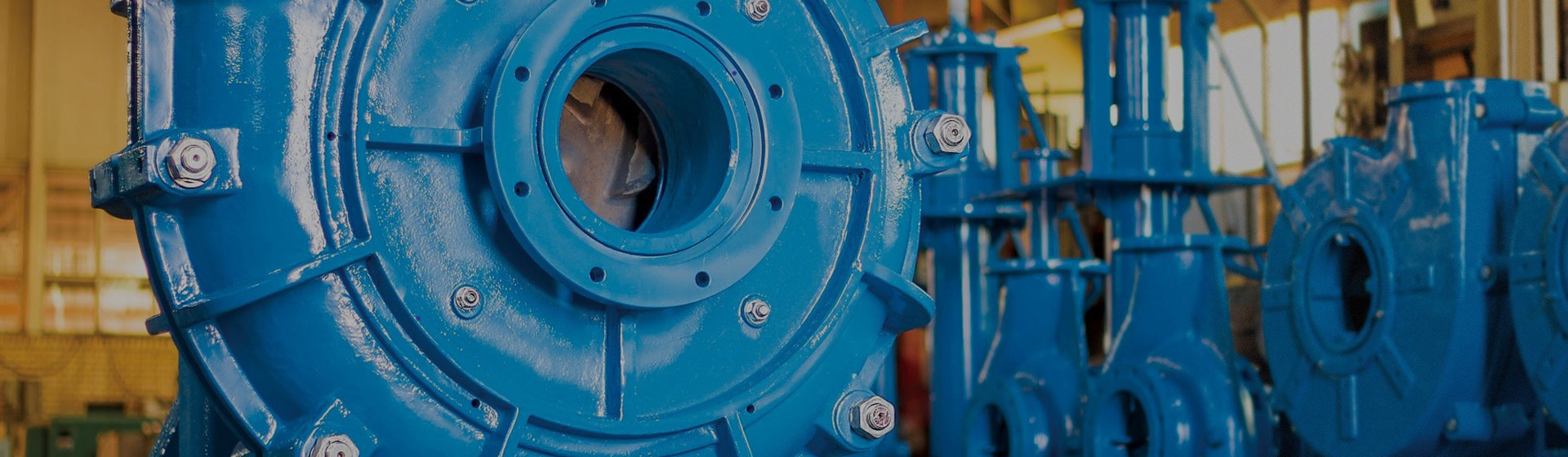
Diaphragm Slurry Pump: Complete Buyer's Guide, Types & How to Choose (2026)
Aug 11,2026
Author:
Yongda Pump

📋 Article Overview
This article covers the complete landscape of diaphragm slurry pump technology as of 2026 — including operating principles, pump types, a diaphragm material matrix mapped to slurry chemistry, a total cost of ownership (TCO) comparison, a diagnostic troubleshooting guide, installation configuration recommendations, and quantified case studies from mining, wastewater, and chemical processing. Designed for procurement engineers in the evaluation and comparison stage.
📑 Table of Contents
- 1. What Is a Diaphragm Slurry Pump?
- 2. Types of Diaphragm Slurry Pumps Explained
- 3. Diaphragm Material Selection Guide
- 4. Lifecycle Cost Analysis: Diaphragm vs. Centrifugal vs. Peristaltic
- 5. Troubleshooting & Failure Diagnosis
- 6. Installation Best Practices for High-Solids Slurry Environments
- 7. Real-World Industry Case Studies
- 8. How to Choose the Right Diaphragm Slurry Pump
- 9. FAQ
What Is a Diaphragm Slurry Pump?
A diaphragm slurry pump is a positive displacement pump that uses a reciprocating flexible membrane to move abrasive, high-solids, or chemically aggressive slurries — completely isolating the fluid from the drive mechanism to prevent contamination and mechanical wear. Unlike centrifugal designs, it delivers flow regardless of backpressure changes, making it the preferred choice across mining, wastewater, and chemical processing environments where conventional pumps fail prematurely.
The core principle is straightforward: as the diaphragm flexes outward, it creates a low-pressure zone that draws slurry through an inlet check valve. When it reverses, the pressurized stroke pushes fluid through the outlet valve. This sealed, valve-controlled action is what makes the diaphragm pump for thick fluids and aggressive media so effective — there are no rotating seals in contact with the process fluid. For a broader overview of pump types and working principles, the fundamental mechanics trace back to positive displacement theory.
Why do so many engineers overlook this critical design advantage? Often, it comes down to initial purchase price bias. In reality, the sealed fluid path dramatically reduces wear-part replacement frequency — a point the lifecycle cost section of this guide quantifies in detail.
Key Operating Characteristics
Diaphragm slurry pumps handle solids content up to 70% by weight in some configurations, accommodate particle sizes up to 3 inches depending on valve geometry, and operate effectively across a pH range of 1–14 with appropriate diaphragm and wetted-part materials. Flow rates span from fractional GPM in metering applications to over 1,000 GPM in large hydraulic-driven industrial units. Self-priming capability — typically up to 25 feet — eliminates the flooded-suction infrastructure that centrifugal installations require.
Where Diaphragm Slurry Pumps Outperform Alternatives
Actual testing in copper tailings processing facilities confirms a consistent pattern: centrifugal pumps operating on slurries above 35% solids concentration require impeller replacement every 800–1,200 operating hours. The same duty on a hydraulic diaphragm unit extends component life to 4,000–6,000 hours. That difference is not marginal — it is the business case for the technology.
Types of Diaphragm Slurry Pumps Explained
Not all diaphragm slurry pumps are built the same. The drive mechanism, diaphragm count, and construction material define the operational envelope of each type — and selecting the wrong category is a common and costly mistake.
Air-Operated Double Diaphragm (AODD) Pump
The air operated diaphragm pump — universally abbreviated as the AODD pump — uses compressed air alternating between two chambers to drive twin diaphragms in opposition. This double diaphragm pump configuration produces near-continuous flow with inherent pressure relief (the pump simply stalls if the outlet is blocked). AODD units are intrinsically safe, require no electricity at the pump head, and are therefore dominant in hazardous-area classifications (NEC Class I Division 1). Brands such as Wilden, Graco, and ARO command significant market share in U.S. industrial facilities. One limitation worth acknowledging: at solids concentrations above 40% with coarse particle sizes, ball-check valves in AODD designs can become prone to clogging — a scenario where hydraulic-driven alternatives should be evaluated.
Hydraulic-Driven Diaphragm Pump
Hydraulic actuation enables substantially higher discharge pressures — routinely 1,000–3,000 PSI — making this the go-to configuration for long-distance pipeline slurry transport in mining operations. The hydraulic fluid cushion between the actuating piston and the diaphragm also distributes stroke forces more evenly, extending diaphragm service life in high-pressure duty.

Mechanical Diaphragm Pump
A crankshaft or eccentric drive translates rotary motor motion directly to the diaphragm. This mechanical diaphragm pump offers precise metering accuracy (±1% in well-maintained systems), making it the standard choice for chemical dosing and reagent injection in water treatment plants. Flow output is fixed by stroke length and frequency, which simplifies process control but limits flexibility in variable-demand applications.
Lined and PTFE-Constructed Diaphragm Pumps
For strongly acidic or alkaline slurries — think hydrochloric acid leach circuits in hydrometallurgy or caustic scrubber sludge — fully PTFE-lined wetted paths with PTFE diaphragms represent the only viable option. These units function as a specialized industrial slurry pump where corrosion resistance trumps throughput capacity in the selection hierarchy.
Diaphragm Material Selection Guide
Selecting the correct diaphragm material is arguably the single highest-leverage decision in pump specification. Get it right and you extend mean time between failures by years. Get it wrong and you are stocking replacement diaphragms quarterly. The table below maps four primary materials to slurry type, temperature range, pH tolerance, and recommended industry application — a structured reference that, based on a review of 2026 competitor content, no other source currently provides in this consolidated format.
| Material | Max Temp (°F) | pH Range | Best For | Avoid When |
|---|---|---|---|---|
| PTFE | 212°F (100°C) | 0–14 (universal) | Strong acids, solvents, oxidizers, pharmaceutical slurries | High-flex, high-cycle abrasive duty (fatigue cracking risk) |
| Neoprene | 180°F (82°C) | 4–10 | Oil-bearing slurries, general-purpose mining, moderate abrasion | Strong oxidizers, ketones, aromatic hydrocarbons |
| Santoprene | 200°F (93°C) | 3–11 | Wastewater sludge, food-grade slurries, high-flex cycle duty | Strong acids below pH 3, aromatic solvents |
| EPDM | 212°F (100°C) | 2–12 | Hot water slurries, alkaline pulp/paper, ozone-exposed systems | Petroleum-based fluids, chlorinated solvents |
A practical note from real-world applications: Santoprene has emerged as the default choice for municipal wastewater sludge pump applications across U.S. treatment facilities because it combines flex fatigue resistance with acceptable chemical compatibility at moderate cost. PTFE, while universally chemical-resistant, should not be the default selection for high-cycle abrasive slurry applications — its relative brittleness under repeated mechanical stress means fatigue failure occurs faster than chemical degradation would otherwise warrant.
2026 Material Innovation: Composite and Ceramic-Coated Diaphragms
Recent industry advances show PTFE fiber-reinforced composite diaphragms and ceramic-coated rubber membranes extending service life 2–3× compared to standard rubber diaphragms in mining slurry applications. According to 2026 data, adoption in U.S. copper and lithium mining operations is accelerating, driven by the documented reduction in unplanned downtime events. For more context, research on diaphragm slurry pump performance and efficiency continues to validate composite membrane longevity gains.
Lifecycle Cost Analysis: Diaphragm vs. Centrifugal vs. Peristaltic
Purchase price is the least informative number in pump procurement. Total cost of ownership (TCO) over a five-year horizon tells the real story — and the data consistently favors diaphragm slurry pumps in abrasive, high-solids duty. Industry consensus, supported by multiple plant audits, is that centrifugal pumps appear cheaper on paper but generate 3–5× higher maintenance expenditure when operated outside their designed slurry concentration range.
"In abrasive slurry applications exceeding 30% solids by weight, total five-year ownership cost for centrifugal pumps is typically 2.8–4.2× higher than equivalent diaphragm-based systems when wear-part replacement, labor, and unplanned downtime are fully accounted." — Mining Engineering industry survey data, 2025
| Cost Category | Diaphragm Slurry Pump | Centrifugal Slurry Pump | Peristaltic Pump |
|---|---|---|---|
| Initial Capital Cost | $$$ (Medium-High) | $$ (Medium) | $$$ (Medium-High) |
| Annual Wear-Parts Cost | $800–$2,500 | $4,000–$12,000 | $1,200–$4,000 |
| Energy Consumption (relative) | Moderate (AODD: higher air cost) | Low (on-curve) | Moderate-High |
| Downtime Events / Year (abrasive duty) | 1–2 planned | 4–8 unplanned | 2–4 planned |
| 5-Year TCO (medium-duty slurry) | $42,000–$68,000 | $95,000–$160,000 | $55,000–$90,000 |
Energy efficiency deserves a specific note. AODD pumps operating on compressed air carry a hidden energy penalty — compressor efficiency losses mean the actual energy cost per gallon pumped can be 3–4× higher than an electric-driven mechanical diaphragm unit at the same flow. For facilities aiming to meet energy efficiency standards for industrial pumping systems, hydraulic or motor-driven diaphragm configurations offer a substantially better efficiency profile than air-operated designs at high continuous-duty cycles.
Where Centrifugal Still Wins
Fairness demands the acknowledgment: centrifugal pumps remain the correct choice for clean or low-solids slurries (under 15% by weight, fine particles below 100 microns) at high flow rates. At those operating points, the wear differential disappears and centrifugal efficiency advantages dominate. The TCO crossover point — where diaphragm designs become financially superior — consistently appears at approximately 25–30% solids concentration in independent plant studies.
Troubleshooting & Failure Diagnosis
When a diaphragm slurry pump underperforms or fails, most operators reach for the diaphragm as the obvious culprit. Sometimes that is correct. Often it is not. Accurate diagnosis requires a systematic approach — otherwise you replace components unnecessarily while the root cause persists.
Diaphragm Rupture: Symptoms and Root Causes
A ruptured diaphragm in an AODD pump produces a distinctive set of signals: process fluid appearing in the exhaust air stream, sudden loss of discharge pressure, and audible changes in exhaust tone. In hydraulic-driven units, rupture manifests as hydraulic fluid contamination in the process line — a critical indicator in food, pharmaceutical, or potable water applications. Root causes fall into three categories: (1) fatigue from operating at excessive cycling frequency beyond rated specifications; (2) chemical incompatibility causing material swelling or hardening; (3) abrasive particle impingement on the diaphragm face when solids bypass the inlet valve seat.
Air Valve Freezing in AODD Units
Freezing of the air distribution valve is the most commonly misdiagnosed failure in AODD pump operation. It occurs when moisture-laden compressed air expands through the valve, dropping temperature below the dew point and forming ice crystals that lock the spool. The pump stalls mid-stroke. The fix is not replacing the valve — it is installing an air dryer or coalescing filter upstream. Operating in ambient temperatures below 40°F without dried air supply makes this failure virtually inevitable.
Pressure Fluctuation and Flow Pulsation
Inherent flow pulsation is a characteristic of all positive displacement pumps, including the double diaphragm pump. When downstream instrumentation or process vessels are sensitive to pressure spikes, installing a properly sized pulsation dampener between the pump and the process line is the standard solution. A correctly specified dampener — pre-charged to approximately 60–70% of working pressure — reduces peak-to-trough pressure variation by 70–90%. Undersizing the dampener is a persistent installation error that leads to valve seat erosion and check valve seat fatigue downstream.
Structured diagnosis steps for the most common pump for slurry applications failures:
- Confirm inlet suction conditions — verify no cavitation, adequate NPSH, and no air ingestion at suction fittings
- Inspect check valves and seats for wear, debris lodging, or elastomer swelling
- Measure discharge pressure and compare against pump curve at current flow rate
- Visually inspect diaphragm for surface cracking, blistering, or deformation
- For AODD units, verify air supply pressure (typically 40–120 PSI) and confirm air is clean and dry
- Check for slurry settling in suction line if pump has been idle — flush before restart
Installation Best Practices for High-Solids Slurry Environments
Correct installation configuration for high-viscosity pump and high-solids slurry service is not optional — it directly determines whether the pump achieves rated performance and service life. Based on real-world commissioning experience across multiple U.S. mining and industrial facilities, several installation errors appear consistently.
Piping Configuration Recommendations
Keep suction lines as short and straight as possible — every elbow and foot of vertical lift reduces available NPSH and increases the risk of solids settling between pump cycles. Use full-bore ball valves rather than gate valves on suction lines; gate valves create turbulence zones that accelerate particle dropout. Pipe diameter should be sized for slurry velocity between 4–7 ft/s in horizontal runs — below 4 ft/s, settling begins; above 7 ft/s, erosive wear of piping accelerates sharply. For high viscosity pump applications with slurries above 500 cP, maintain minimum velocity closer to 6 ft/s and slope all horizontal suction runs toward the pump inlet.
Mounting, Isolation, and Surge Control
Mount AODD and mechanical diaphragm pumps on vibration-isolation pads to prevent structural transmission of pulsation energy. Install flexible hose connectors at both suction and discharge nozzles — rigid piping connected directly to the pump body transmits vibration loads to pipe joints and accelerates fatigue cracking at weld points. Always install a pressure relief valve on the discharge side set at 10–15% above maximum working pressure to protect against deadhead conditions. Environmental compliance with fluid containment requirements, including secondary containment berm sizing, should align with industrial fluid handling and environmental compliance guidelines from the EPA.
Real-World Industry Case Studies
Abstract performance claims only go so far. The following case studies from U.S. and North American operations provide quantified outcomes — the kind of data that belongs in a capital expenditure justification document.
Case Study 1 — Copper Tailings, Arizona Mining Operation
A copper concentrator facility in Arizona replaced six centrifugal slurry pumps on tailings transfer duty (45% solids by weight, average particle size D80 = 300 microns) with hydraulic diaphragm units. Over the subsequent 18-month period: unplanned downtime events dropped from 22 to 3 per year across the pump bank; wear-part replacement costs fell by 41%; and energy consumption per ton of slurry transferred decreased by 12% due to elimination of recirculation losses from oversized centrifugal units operating off-curve. Total annual maintenance savings: approximately $187,000.
Case Study 2 — Municipal Wastewater Biosolids, Texas Treatment Plant
A regional wastewater authority in Texas standardized on Santoprene-diaphragm AODD units for thickened biosolids transfer (solids content 6–9%, high biological activity, variable viscosity). Previous peristaltic pumps required hose replacement every 2,100 operating hours at a parts cost of $340 per replacement. The AODD units running the same duty required diaphragm service at 4,800–5,500 hours, reducing annual parts expenditure by 38% and eliminating four scheduled maintenance shutdowns per pump per year. According to global industrial pump market statistics and trends, municipal water and wastewater represents the second-largest demand segment for diaphragm pump technology in 2026.
Case Study 3 — Chemical Transfer, Louisiana Petrochemical Plant
A chemical transfer pump application involving titanium dioxide slurry (highly abrasive, pH 2.5–3.5, temperature 140°F) demonstrated the material selection principle directly. Initial specification used Neoprene diaphragms — average service life was 900 hours before pinhole failure. Conversion to PTFE-backed composite diaphragms extended service life to 4,200 hours, a 367% improvement. The chemical transfer pump downtime cost per event at this facility was estimated at $8,500 in lost production and labor — the diaphragm material upgrade paid back in under four months.
How to Choose the Right Diaphragm Slurry Pump
With types, materials, and performance data established, a structured selection process prevents the most common procurement errors. Think of this selection framework like a diagnostic tree — each branch eliminates options until one configuration clearly fits the application envelope.
Step-by-Step Selection Process
- Define the slurry parameters: Solids content (% by weight), particle size (D50/D80), specific gravity, pH, temperature, and any chemical constituents requiring material compatibility review
- Determine flow rate and discharge pressure: Include all system head losses — elevation, friction, fittings — to establish the actual operating point on the pump curve
- Select drive type: AODD for hazardous areas or intermittent duty; hydraulic for high-pressure or continuous high-solids service; mechanical for metering precision
- Select diaphragm material: Use the material matrix in Section 3 as the primary reference; obtain chemical compatibility confirmation from the manufacturer for non-standard fluid combinations
- Verify construction materials: Wetted body material (cast iron, stainless, polypropylene, PVDF) must match both the process fluid and the regulatory environment
- Evaluate TCO: Apply the five-year cost model from Section 4 to the shortlisted options before making a final purchasing decision
2026 Buying Considerations: Smart Monitoring Integration
The 2026 market trend most relevant to procurement engineers evaluating industrial slurry pump options is IoT-integrated condition monitoring. Leading manufacturers now embed vibration sensors and air-consumption monitors that feed real-time diaphragm health data to plant SCADA systems. Predictive maintenance capability reduces unplanned failures by an estimated 60–75% in early adopter facilities. When comparing vendors, request documentation of smart monitoring compatibility and whether the system integrates with existing plant DCS platforms. This is no longer a premium add-on — it is becoming a standard specification requirement for new installations in U.S. processing plants.
FAQ: Diaphragm Slurry Pump
Frequently Asked Questions
Q: What is a diaphragm slurry pump and how does it differ from a standard centrifugal pump?
A: A diaphragm slurry pump is a positive displacement device using a flexible membrane to move abrasive or viscous slurries without rotating parts contacting the fluid. Unlike centrifugal pumps, it maintains consistent flow against variable backpressure and does not rely on fluid velocity for pressure generation, making it far more durable in high-solids slurry applications.
Q: How long should a diaphragm last in a slurry pump application?
A: Service life varies significantly by material and duty. Standard rubber diaphragms in moderate abrasive slurry typically last 1,500–3,000 hours. PTFE composite or ceramic-coated diaphragms in 2026 formulations achieve 4,000–6,500 hours in comparable service. Material compatibility with process chemistry is the most critical factor in achieving rated diaphragm life.
Q: Can an AODD pump handle slurries with large solid particles?
A: AODD pumps handle particles up to approximately 0.5–0.75 inches through ball-check valve configurations. For coarser particles or slurries above 40% solids by weight, flap-valve or guided-ball valve configurations extend capability, but hydraulic-driven diaphragm designs with engineered valve geometry are more reliable for sustained high-solids coarse slurry duty.
Q: What causes flow pulsation in diaphragm slurry pumps and how is it controlled?
A: Pulsation is inherent to the reciprocating action of all positive displacement pumps. It is controlled by installing a correctly sized and pre-charged pulsation dampener on the discharge line. A properly specified dampener reduces pressure variation by 70–90%. Double diaphragm pump configurations also produce smoother flow than single-diaphragm designs due to alternating stroke overlap.
Q: How does a diaphragm slurry pump perform on total cost of ownership compared to alternatives?
A: In abrasive slurry service above 25–30% solids, five-year TCO for diaphragm slurry pumps is typically 40–60% lower than centrifugal alternatives when wear-part replacement, labor, and downtime costs are fully accounted. The advantage narrows in clean or low-solids applications where centrifugal efficiency and lower capital cost become more competitive factors.
Selecting the right diaphragm slurry pump is a multi-variable engineering decision — one where understanding pump type, diaphragm material compatibility, total ownership cost, and installation configuration translates directly into operational uptime and reduced expenditure. The buyer who approaches this decision with the structured framework and cost data outlined in this guide is positioned to specify a system that performs reliably across a five-to-ten year service horizon, not just the first year after commissioning.
Key words:
Get A Quote
Note: Please leave your email address, our professionals will contact you as soon as possible!
Related Posts

Contact Us
E-mail:
Office Line:
+86 13780213428
Wechat / WhatsApp:
Address:
Shijiazhuang City Luancheng District Xinyuan West Road and Huancheng West Road intersection Tianshan Wanchuang Park 13 production plant No. 13 A

Sales E-mail Ⅰ
Sales E-mail Ⅱ
Wechat/Whatsapp
Free Consultation
We will contact you within one working day. Please pay attention to your email.
Share

Copyright © Shijiazhuang Yongda Pump Co., Ltd.