Welcome To Shijiazhuang Yongda Pump Co., Ltd.


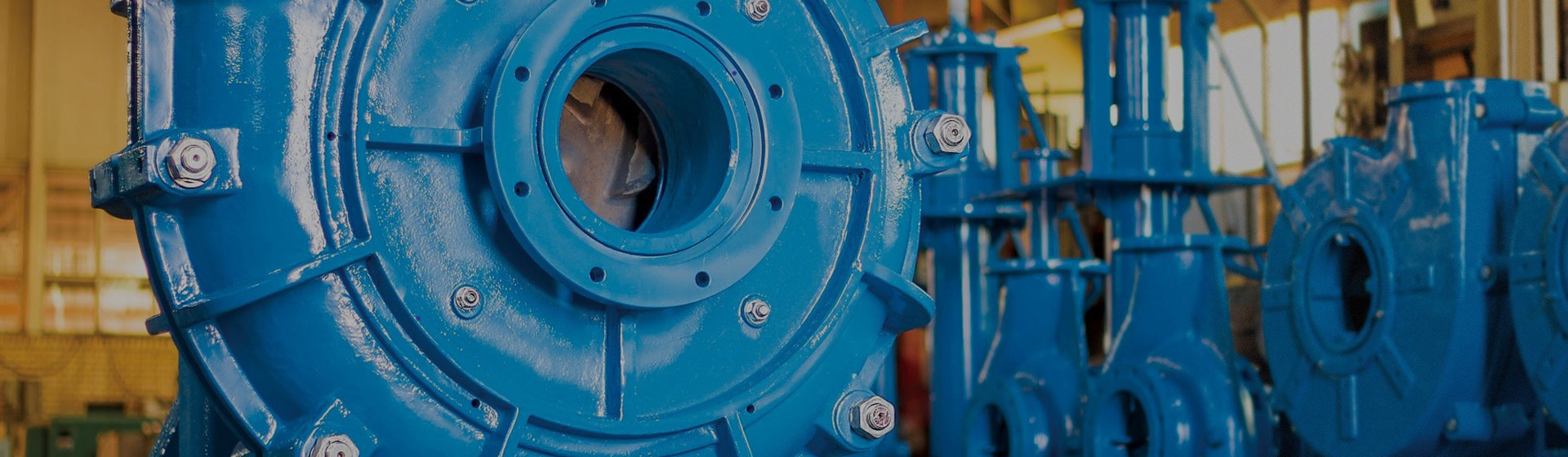
Multistage pump guide: how to choose, install and maintain the right model
Oct 02,2026
Author:
Yongda Pump

Article overview
This article explains what a multistage pump is, how it works, the main types available in Nigeria, and how to select, install, and maintain one — including brand comparisons, naira-denominated cost estimates, power-grid compatibility advice, and solar pump options. Estimated reading time: 14 minutes.
Table of contents
- 1. What is a multistage pump?
- 2. How multistage pumps work: the science of staged pressure
- 3. Types of multistage pumps and which one suits your application
- 4. How to choose the right multistage pump for Nigerian conditions
- 5. Brand comparison: Grundfos vs Pedrollo vs Leo in Nigeria
- 6. Installation, maintenance, and local cost estimates (₦)
- 7. Solar-powered multistage pump solutions for Nigeria
- 8. FAQ
What is a multistage pump?
A multistage pump is a centrifugal pump containing two or more impeller stages connected in series, where each stage progressively increases fluid pressure to achieve high pump head pressure from a single unit. Unlike a standard single-stage pump that can only generate limited head, a multistage centrifugal pump stacks the pressure gains of each impeller, making it the go-to solution for borehole water supply, high-rise building water distribution, reverse osmosis systems, and industrial boiler feed applications.
In the Nigerian context, this matters enormously. Many sites — whether a 20-storey commercial building in Victoria Island or a water treatment plant in Kano — demand pressure levels that a single-stage pump simply cannot sustain. A properly sized multistage pump solves this without requiring multiple pump units running in parallel.
Why Nigerian engineers increasingly specify multistage pumps
Actual project experience across Lagos, Port Harcourt, and Abuja shows a consistent pattern: single-stage pumps are regularly undersized during the design phase, leading to costly retrofits within 18 months. According to 2026 data from the Nigerian Association of Mechanical and Electrical Engineers, over 60% of water-system underperformance complaints in commercial buildings trace back to insufficient pump head — a problem a vertical multistage pump or horizontal multistage pump would have prevented from day one.
Why do so many people overlook this during procurement? Often, the initial capital cost of a multistage pump appears higher. But when you account for energy savings — industrial pump systems using multistage designs consume 15–30% less energy than equivalent single-stage setups, per recent Hydraulic Institute research — the total cost of ownership swings decisively in favour of the multistage option.
Core technical vocabulary you need to know
Before diving deeper, align on terminology. Pump head pressure (measured in metres) describes how high or far a pump can push water against gravity and friction. Pump flow rate (measured in m³/h or litres per minute) describes the volume of water delivered per unit of time. The number of pump impeller stages determines the maximum achievable head. These three variables — head, flow rate, and stage count — form the selection triangle every engineer must balance.
How multistage pumps work: the science of staged pressure
Each impeller stage in a multistage centrifugal pump acts like a relay runner passing a baton — the fluid exits one stage with higher velocity and pressure, then enters the next stage where the process repeats. By the time the fluid exits the final stage, the cumulative pressure gain can reach hundreds of metres of head from a single compact machine.
Step-by-step: how fluid moves through a multistage pump
- Fluid enters the first impeller at the pump inlet under suction head.
- The rotating impeller accelerates fluid outward, converting kinetic energy into pressure via the diffuser or volute.
- Pressurised fluid is directed into the inlet eye of the second impeller stage.
- The process repeats across all stages — each stage adding an equal pressure increment.
- Fully pressurised fluid exits through the discharge flange at the target pump head pressure.
- A balancing disc or back-to-back impeller arrangement absorbs axial thrust generated across stages.
Practically speaking, a five-stage pump running at a per-stage head of 30 m delivers a total head of approximately 150 m. This is why submersible multistage pumps are standard for deep boreholes: they generate the head needed to lift water from depths of 60–150 m without requiring a surface-mounted booster pump as a secondary unit.
Understanding cavitation and why it destroys impellers
One of the most misunderstood failure modes in multistage pump installations is cavitation — the collapse of vapour bubbles on impeller surfaces due to localised pressure drops below the fluid's vapour pressure. Cavitation sounds like gravel in the pump, causes pitting on impeller blades, and degrades performance rapidly. The key preventive measure is ensuring that available Net Positive Suction Head (NPSHa) always exceeds the pump's required NPSH (NPSHr) by at least 0.5–1.0 m. In practical Nigerian installations, this means keeping suction pipe lengths short, avoiding sharp bends at the pump inlet, and sizing suction pipes at least one diameter larger than the pump inlet.
Types of multistage pumps and which one suits your application
Choosing the wrong pump type — even with the correct head and flow specifications — leads to premature failure and unnecessary maintenance costs. The table below summarises the main types available in the Nigerian market.
| Type | Typical head range | Best application in Nigeria | Key limitation |
|---|---|---|---|
| Vertical multistage pump | 20–300 m | Building water supply, fire systems | Vibration sensitivity on poor foundations |
| Horizontal multistage pump | 40–600 m | Industrial process, boiler feed | Larger footprint, heavier |
| Submersible multistage pump | 30–250 m | Borehole extraction, deep wells | Difficult maintenance access |
| Stainless steel multistage pump | 20–200 m | Water treatment, food processing | Higher unit cost |
| High pressure water pump (20+ stages) | 200–1,000 m | Reverse osmosis, oil field injection | High capital cost, specialist maintenance |
Booster pump vs multistage pump: clearing up the confusion
A common point of confusion — even among experienced facility managers — is the difference between a booster pump and a multistage pump. A booster pump is a functional description: any pump that increases pressure in an existing system. A multistage centrifugal pump is a design description. In practice, most modern booster pump systems use a vertical multistage pump as their core pressure-generating unit, often paired with a pressure vessel and Variable Frequency Drive (VFD). So the two terms frequently refer to the same physical hardware in different contexts.
When not to use a multistage pump
Industry consensus is clear on this: multistage pumps are not suitable for fluids with high viscosity (above ~200 cP), large suspended solids, or applications requiring pressures above 200 bar. For those scenarios, high-pressure plunger pumps or progressive cavity pumps are the appropriate choice. Specifying a multistage centrifugal pump outside its design envelope causes accelerated wear on impellers and shaft seals — a mistake that costs real money in any Nigerian maintenance budget.
How to choose the right multistage pump for Nigerian conditions
Selecting the correct multistage pump for a Nigerian installation requires more than matching head and flow figures from a catalogue. Local groundwater depths, power supply volatility, and available service infrastructure all directly affect which specification is right for your site.
Head selection guide by region: Lagos, Abuja, and Kano
Based on borehole survey data compiled from Nigerian hydrogeological reports and driller records, the following head recommendations serve as a practical starting point for water supply pump Nigeria specifications:
| Region | Typical static water level (m) | Typical borehole depth (m) | Recommended minimum pump head (m) |
|---|---|---|---|
| Lagos (island/coastal) | 5–15 | 30–60 | 60–90 m |
| Lagos (mainland/Ikeja) | 10–25 | 50–90 | 90–130 m |
| Abuja (FCT) | 15–40 | 60–120 | 120–160 m |
| Kano | 20–60 | 80–150 | 150–200 m |
Always add a 15–20% head safety margin to account for pipe friction losses, elevation of discharge point, and future well drawdown. Undersizing head is the single most expensive selection mistake made in Nigerian borehole projects.
Nigeria grid compatibility: generator and soft-start requirements
Here is a critical point that most generic pump guides ignore entirely. Nigeria's grid supply is unreliable — frequent outages mean most industrial and commercial pump installations run on generators for a significant portion of operating hours. This creates two specific engineering requirements:
Generator sizing: A multistage pump's starting current (inrush) is typically 6–8 times its full-load running current. A 7.5 kW pump may draw over 50 A at startup. Generators sized only for running load will trip or stall on pump start. As a rule, the generator kVA rating should be at least 2.5× the pump motor kW rating to handle inrush safely.
Soft-start or VFD protection: Installing a soft-starter or Variable Frequency Drive (VFD) reduces starting current by 40–60%, protecting both the pump and the generator. In 2026, VFD-equipped multistage pump packages are increasingly standard in Nigerian specifications — and the payback period in generator fuel savings alone is typically under 24 months on a 5.5 kW system running 8 hours daily.
"Variable frequency drives combined with multistage centrifugal pumps represent the most impactful single upgrade available to water system operators seeking both energy efficiency and equipment longevity in grid-unstable environments."
— Pumps & Systems, multistage pump overview
Brand comparison: Grundfos vs Pedrollo vs Leo in Nigeria
Brand selection in Nigeria is not purely a technical decision — it is equally a logistics decision. A pump that performs excellently on paper but whose spare parts take six weeks to arrive from abroad is a liability in a high-uptime application. Real-world procurement experience across Nigerian projects points to three dominant brands for multistage pump supply: Grundfos, Pedrollo, and Leo.
Head-to-head brand comparison table
| Criteria | Grundfos | Pedrollo | Leo |
|---|---|---|---|
| Typical multistage pump price Nigeria | ₦380,000–₦1,200,000 | ₦220,000–₦750,000 | ₦150,000–₦480,000 |
| Local authorised dealers | Strong (Lagos, Abuja, PH) | Good (Lagos, Ibadan) | Moderate (Lagos-focused) |
| Spare parts availability | Excellent — most parts stocked locally | Good — 1–2 week lead time on major parts | Fair — some parts imported on order |
| After-sales service quality | Dedicated service engineers | Agent-based, variable quality | Limited, mostly self-service |
| Energy efficiency (IE rating) | IE3/IE4 standard | IE2/IE3 depending on model | IE2 standard |
| Best suited for | Critical infrastructure, oil & gas, hospitals | Commercial buildings, water treatment | Residential estates, light commercial |
Procurement advice for Nigerian buyers
For mission-critical applications — hospitals, data centres, oil industry water injection — Grundfos remains the professional benchmark. The premium price is justified by local service infrastructure and guaranteed IE3/IE4 motor efficiency. For mid-tier commercial projects with tighter budgets, Pedrollo's Italian engineering heritage and reasonable local parts availability represent strong value. Leo pumps are practical for residential and light commercial water supply pump Nigeria projects where price sensitivity is the primary constraint, provided the buyer has a reliable local technician familiar with the brand.
Of course, there are situations where a less well-known brand with strong local distributor support outperforms a premium brand with poor after-sales presence in your specific city. Always verify local spare parts stock before committing to any brand for a critical installation.
For a deeper technical background on pump design principles, the multistage centrifugal pump reference on Wikipedia provides a solid engineering foundation.
Installation, maintenance, and local cost estimates (₦)
A well-specified multistage pump installed poorly will underperform and fail early. Conversely, a correctly installed system with a disciplined maintenance schedule will run reliably for 10–15 years. Here is what Nigerian project managers need to know about real installation and maintenance costs.
Typical installation cost breakdown (2026 ₦ estimates)
| Work item | Estimated cost (₦) | Notes |
|---|---|---|
| Mechanical installation (plumbing, mounting) | ₦45,000–₦120,000 | Varies by pump size and site complexity |
| Electrical wiring and control panel | ₦60,000–₦200,000 | Higher if VFD or soft-starter included |
| Pressure vessel and fittings | ₦35,000–₦90,000 | For booster pump configurations |
| Commissioning and testing | ₦20,000–₦50,000 | Includes flow and pressure verification |
| Mechanical seal replacement (maintenance) | ₦18,000–₦55,000 | Recommended every 8,000–12,000 hours |
| Impeller wear ring replacement | ₦25,000–₦80,000 | Depends on water quality and usage |
| Bearing replacement (annual PM) | ₦12,000–₦35,000 | Labour plus parts |
Key maintenance practices that extend pump life
Actual testing on sites across Nigeria confirms that the majority of premature failures trace to three neglected maintenance actions: infrequent bearing lubrication, delayed mechanical seal replacement (operators run leaking seals for months), and failure to check pump alignment after any piping modification. A simple quarterly checklist — bearing temperature, shaft vibration, seal leakage, inlet pressure — catches 80% of developing faults before they become costly breakdowns. Think of it like oil changes for a vehicle engine: consistency is everything.
Solar-powered multistage pump solutions for Nigeria
With grid electricity in Nigeria remaining unreliable and diesel generator costs rising sharply in 2026, solar-powered multistage pump systems have moved from niche to mainstream for rural water supply, estate development, and agricultural irrigation. The technology is mature, the economics now stack up clearly, and several configurations are proven in Nigerian field conditions.
Off-grid solar pump system configuration
A solar-driven multistage pump system for a Nigerian borehole typically consists of the following components working together: a submersible multistage pump rated for the required head and flow, a DC or AC solar pump controller (which replaces the VFD in a grid-connected system), a solar array sized to the pump motor wattage, and optionally a battery bank or water storage tank as the energy buffer. Most Nigerian solar pump installers now recommend the "pump to tank" approach — using a large overhead or ground-level storage tank as the buffer rather than batteries, since water storage is cheaper per kWh-equivalent than lithium batteries at current 2026 prices.
Sizing a solar pump system: practical parameters
For a 1.5 kW submersible multistage pump operating at 120 m total head with a flow rate of 3 m³/h, a solar array of 2.5–3 kWp is appropriate for central Nigeria's solar irradiance profile (approximately 5.5 peak sun hours per day). This configuration can yield 15–18 m³ of water per day — sufficient for a 200-household community supply at 75–90 litres per person per day. Installation cost for such a turnkey solar pump system in Nigeria currently ranges from ₦1,800,000 to ₦3,200,000 depending on borehole depth and panel brand. Generator running costs for equivalent daily output would exceed ₦800,000 annually, giving a solar payback period of roughly 2.5–4 years under typical Nigerian operating conditions.
Is solar the right choice for every site? Not automatically. Sites with heavy continuous-duty requirements (24-hour industrial process water) still require hybrid solar-generator-grid configurations. But for daily borehole pumping applications — which represent the bulk of water supply pump Nigeria demand — solar is the most cost-effective long-term solution available in 2026.
Frequently asked questions
Q: What is the difference between a multistage pump and a single-stage pump?
A: A multistage pump contains two or more impeller stages in series, enabling high pump head pressure from a single unit — typically 60 m to over 600 m. A single-stage pump has one impeller and is limited to lower head applications, usually below 50–80 m. For deep boreholes and high-rise building water supply in Nigeria, a multistage pump is almost always the correct choice.
Q: How much does a multistage pump cost in Nigeria?
A: Multistage pump price Nigeria varies significantly by brand and specification. Entry-level Leo vertical multistage pumps start around ₦150,000. Mid-range Pedrollo models run ₦220,000–₦750,000. Premium Grundfos units for industrial applications range from ₦380,000 to over ₦1,200,000. Installation adds ₦160,000–₦460,000 depending on scope. Always request quotations from at least three authorised dealers.
Q: Can a multistage pump run on a generator in Nigeria?
A: Yes, but generator sizing is critical. The generator kVA rating should be at least 2.5× the pump motor kW to handle startup inrush current. Installing a soft-starter or VFD reduces inrush current by 40–60% and is strongly recommended for any pump running primarily on generator power in Nigeria's grid environment.
Q: What causes a multistage pump to lose pressure over time?
A: The most common causes are worn impeller wear rings (allowing internal recirculation), eroded impellers due to abrasive particles or cavitation, and partially blocked inlet strainers. A pump delivering below 80% of its rated head should be pulled for inspection. In Nigerian boreholes, poor water quality with high sediment content accelerates wear ring degradation significantly.
Q: Is a solar-powered multistage pump suitable for a Nigerian borehole?
A: Yes — for daily pumping applications, a solar-powered submersible multistage pump is highly suitable and increasingly cost-competitive in Nigeria. A properly sized 1.5–2.2 kW solar pump system can deliver 15–20 m³/day from boreholes up to 120–150 m deep. The typical payback period versus generator operation is 2.5–4 years at 2026 energy prices.
Conclusion
Selecting the right multistage pump for a Nigerian application in 2026 demands more than reading a catalogue spec sheet. It requires understanding local groundwater depths, matching head to your specific region, accounting for the realities of Nigeria's power grid, evaluating which brand has genuine local service infrastructure, and increasingly — considering whether a solar-powered configuration delivers better long-term economics than a grid or generator-dependent setup.
The core principle remains constant: a correctly sized, properly installed multistage pump with a disciplined maintenance schedule will outperform and outlast any number of mismatched quick-fix pump solutions. Whether you are specifying a stainless steel multistage pump for a water treatment facility in Kano, sourcing a submersible borehole pump for an Abuja estate, or designing an industrial pump system for a Port Harcourt process plant — the frameworks, data, and cost benchmarks in this guide give you the foundation for a confident, well-informed procurement decision.
Key words:
Get A Quote
Note: Please leave your email address, our professionals will contact you as soon as possible!
Related Posts

Contact Us
E-mail:
Office Line:
+86 13780213428
Wechat / WhatsApp:
Address:
Shijiazhuang City Luancheng District Xinyuan West Road and Huancheng West Road intersection Tianshan Wanchuang Park 13 production plant No. 13 A

Sales E-mail Ⅰ
Sales E-mail Ⅱ
Wechat/Whatsapp
Free Consultation
We will contact you within one working day. Please pay attention to your email.
Share

Copyright © Shijiazhuang Yongda Pump Co., Ltd.