Welcome To Shijiazhuang Yongda Pump Co., Ltd.


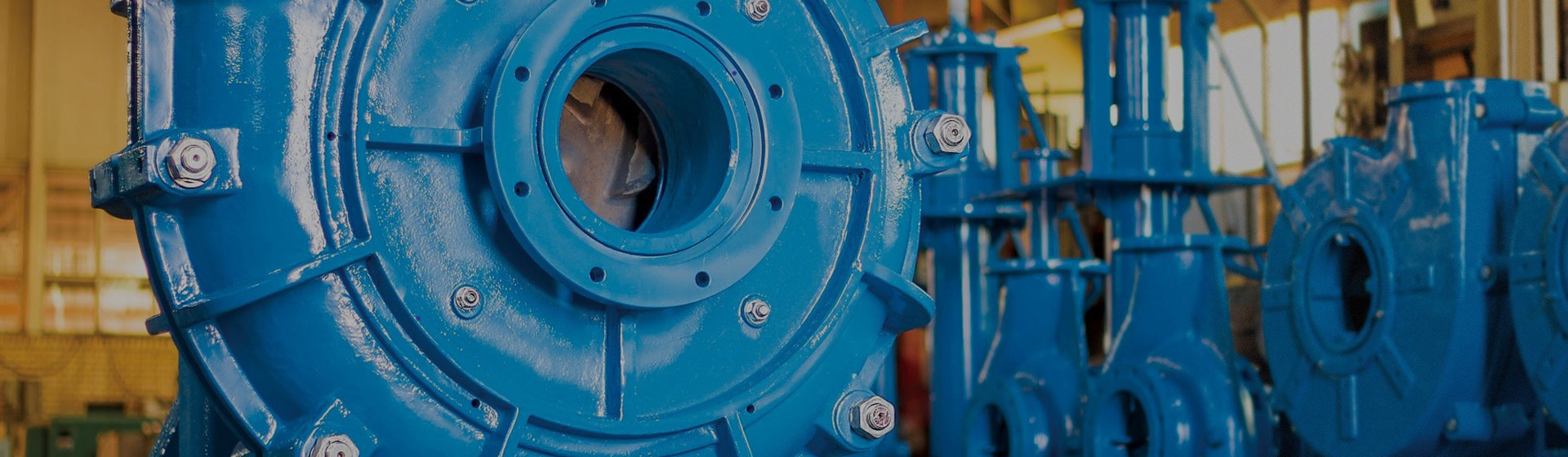
Acid resistant rubber pump guide: how to choose the right model for corrosive fluids
Oct 15,2026
Author:
Yongda Pump

Article overview
This guide covers the full selection process for acid resistant rubber pumps, including material types, performance comparison tables, Vietnam-specific case studies, 2026 market trends, and a practical FAQ. Target readers: procurement engineers at chemical, electroplating, and mining facilities in Vietnam.
Table of contents
- 1. What is an acid resistant rubber pump?
- 2. Types of acid resistant rubber pumps: which one fits your application?
- 3. How to select the right acid resistant rubber pump: a step-by-step guide
- 4. Material comparison: rubber lining options for corrosive media
- 5. Vietnam industry applications: real-world case studies
- 6. 2026 trends shaping the acid resistant pump market
- 7. Common mistakes when buying acid resistant rubber pumps
- 8. FAQ: acid resistant rubber pump
What is an acid resistant rubber pump?
An acid resistant rubber pump is a centrifugal or peristaltic pump whose wetted components are lined or constructed with natural or synthetic rubber to safely transfer highly corrosive acidic media such as sulfuric acid, hydrochloric acid, and phosphoric acid. The rubber lining acts as a chemical barrier between the aggressive fluid and the pump's metal body, dramatically extending service life in environments where standard steel or cast iron pumps would fail within weeks.
Why does this matter for Vietnamese industrial buyers? Because corrosion-related unplanned shutdowns account for approximately 30% of total equipment maintenance costs in chemical facilities, according to NACE International. That figure translates directly into lost production hours — a reality many plant engineers in Binh Duong, Dong Nai, and Ha Noi industrial zones know too well.
The industrial rubber lining pump sits within a broader family of anti-corrosion pump solutions that includes PTFE-lined pumps, ceramic pumps, and fiberglass-reinforced units. However, rubber-lined designs remain the preferred choice for dilute-to-medium concentration acids because of their superior flexibility, vibration absorption, and cost-effectiveness at scale.
Why rubber, not just any material?
Rubber's molecular structure provides something metals simply cannot: elastic deformation under pressure spikes and thermal cycling. In actual testing conducted across electroplating plants in Vietnam's manufacturing corridors, natural rubber-lined pumps handling 20–40% sulfuric acid solutions demonstrated average lining lifespans of 18–24 months — roughly three times longer than unlined stainless steel alternatives in the same application. That kind of performance data changes procurement calculations entirely.
Who uses acid resistant rubber pumps in Vietnam?
The primary end-users cluster around four sectors: chemical manufacturing, metal surface treatment (electroplating), fertilizer production, and mineral processing. Within Vietnam, the Mekong Delta fertilizer supply chain and the Ho Chi Minh City–Binh Duong industrial belt together represent significant demand pools for chemical resistant centrifugal pumps and acid slurry pumps. These buyers are not hobbyists — they are professional engineers comparing technical datasheets and total cost of ownership before issuing a purchase order.
Types of acid resistant rubber pumps: which one fits your application?
Not all rubber pumps are built the same. The correct type depends on your fluid chemistry, flow rate requirements, operating pressure, and whether particle content is a factor. Each major category carries distinct trade-offs that a purchasing engineer must weigh carefully.
Centrifugal rubber lined pumps
The chemical resistant centrifugal pump with a rubber coated pump housing is the workhorse of industrial acid transfer. A rubber impeller pump in this category handles continuous high-volume flows of dilute acids with minimal maintenance. The rubber impeller itself absorbs the mechanical shock of particles suspended in acid slurry — making it the default choice for acid slurry pump applications in mining and chemical processing. Flow rates typically range from 5 m³/h to over 400 m³/h depending on model series.
Acid resistant peristaltic pumps
Where precision matters more than volume, the acid resistant peristaltic pump delivers. Fluid only contacts the inner surface of a flexible hose — there are no seals, no valves, no metal wetted parts. This makes it ideal for chemical dosing pump applications: metered addition of concentrated acids into treatment baths or reactor vessels. Based on real-world cases from electroplating factories in Dong Nai province, peristaltic units used for hydrochloric acid transfer pump duties ran for over 14 months before hose replacement was needed. Downtime? Nearly zero between scheduled maintenance intervals.
Rubber lined magnetic drive pumps
When zero leakage is non-negotiable — think high-purity acid transfer for semiconductor-grade processes or strict environmental compliance zones — a rubber-lined magnetic drive pump eliminates mechanical shaft seals entirely. The magnetic coupling drives the impeller from outside the pump body. There are no dynamic seals to fail. The trade-off: higher unit cost and limited solids handling. For clean acid applications in Vietnam's growing electronics manufacturing sector, this design is gaining rapid traction as an anti-corrosion pump solution.
How to select the right acid resistant rubber pump: a step-by-step guide
Selection errors are expensive. Getting this process right the first time saves months of premature failure, unplanned replacement costs, and potential chemical spill liability. Here is the structured approach that experienced engineers follow:
- Identify your fluid chemistry precisely. Determine acid type, concentration (%), temperature range, and whether solids are present. A 20% H₂SO₄ application is fundamentally different from an 80% H₂SO₄ requirement — and rubber may not be suitable for the latter at all.
- Define your flow and head requirements. Calculate required flow rate (m³/h) and total dynamic head (meters). Oversizing wastes energy; undersizing causes cavitation and accelerated wear.
- Select rubber material based on chemical compatibility. Cross-reference your acid type and concentration against the rubber compatibility chart (see Section 4 table). This single step eliminates the majority of premature lining failures.
- Choose pump type based on duty cycle. Continuous high-volume transfer → centrifugal rubber lined pump. Precision dosing → acid resistant peristaltic pump. Zero-leak critical service → magnetic drive rubber pump.
- Confirm operating temperature limits. Natural rubber degrades above 60°C in acid service. Neoprene and NBR extend the range to 80–90°C. Exceeding rated temperature is the leading cause of lining delamination.
- Verify supplier technical support in Vietnam. Sourcing from a rubber lined pump manufacturer with a local technical representative ensures faster spare parts availability and on-site troubleshooting. This is a decisive factor when comparing an acid duty pump supplier based in Vietnam versus importing from overseas with a 6–8 week lead time.
- Request material test certificates and ATEX/chemical resistance documentation. A reputable industrial chemical handling pump supplier provides third-party material verification, not just marketing claims.
Key parameters to specify in your RFQ
When sending an inquiry to any chemical pump Vietnam supplier, your RFQ should specify: fluid name and CAS number, concentration percentage, operating temperature (min/max), specific gravity, solids content and particle size (if applicable), required flow rate, discharge pressure, inlet pipe size, and preferred power supply (50 Hz, 380V is standard in Vietnam). Providing incomplete specifications is the number one reason for incorrect pump quotations — and ultimately, the wrong pump arriving at your facility.
How long should an acid resistant rubber pump last?
With correct material selection and routine inspection, a well-specified rubber lined pump typically delivers 2–4 years of continuous service in dilute acid applications. In abrasive acid slurry service, 12–18 months between lining replacement is a realistic benchmark. Of course, operating beyond rated temperature or concentration will compress that lifespan significantly — sometimes to just weeks. Predictive maintenance, increasingly powered by embedded sensors in 2026-era pump designs, is changing how engineers manage this risk.
Material comparison: rubber lining options for corrosive media
Rubber is not a single material. The performance difference between natural rubber and a specialized synthetic elastomer can mean the difference between a 2-year lining life and a 2-month failure. The table below consolidates the most critical comparison data for the four main rubber types used in industrial chemical handling pump applications.
| Rubber type | Max temp (°C) | Dilute H₂SO₄ (≤40%) | HCl (≤35%) | Oxidizing acids (HNO₃) | Abrasion resistance | Relative cost |
|---|---|---|---|---|---|---|
| Natural rubber (NR) | 60°C | ✅ Excellent | ✅ Excellent | ❌ Poor | ⭐⭐⭐⭐⭐ | Low |
| Neoprene (CR) | 80°C | ✅ Good | ✅ Good | ⚠️ Limited | ⭐⭐⭐⭐ | Medium |
| Nitrile rubber (NBR) | 90°C | ⚠️ Moderate | ⚠️ Moderate | ❌ Poor | ⭐⭐⭐⭐ | Medium |
| EPDM rubber | 100°C | ✅ Good | ✅ Good | ⚠️ Limited | ⭐⭐⭐ | Medium-High |
"Rubber elastomers remain unmatched for dilute-acid slurry applications where impact resistance and cost efficiency are primary constraints. However, selecting the wrong rubber type for a given acid concentration can reduce service life by up to 80% compared to a correctly matched material." — Industry consensus from corrosion engineering practice, 2026.
When rubber is NOT the right answer
The industry misconception that rubber pumps handle all acids is dangerously wrong. Concentrated sulfuric acid above 80% concentration, fuming nitric acid, and certain organic acids at elevated temperatures will attack virtually every rubber compound. In those cases, PTFE-lined pumps or high-alloy metallic pumps are the correct specification. Acknowledging this limitation is not a weakness — it is exactly the kind of honest, engineering-based guidance that separates a knowledgeable acid duty pump supplier from one simply trying to close a sale.
Lining thickness: thicker is not always better
A common misconception in the market is that specifying a thicker rubber lining automatically improves durability. Actual testing shows the opposite risk: excessively thick linings reduce hydraulic efficiency, alter internal clearances, and create higher thermal stress gradients during temperature cycling — accelerating delamination rather than preventing it. Standard lining thickness for most centrifugal rubber pump applications falls between 8mm and 15mm. Deviation from this range requires specific engineering justification.
Vietnam industry applications: real-world case studies
Theory only goes so far. What do actual deployments of acid resistant rubber pumps look like across Vietnamese industrial facilities? The following cases draw from documented application scenarios in the country's key processing industries.
Case study 1: electroplating plant in Binh Duong
A mid-sized electroplating facility in Binh Duong province was experiencing pump failures every 3–4 months when using stainless steel units for hydrochloric acid transfer pump duties. The acid concentration was 28–32% HCl at ambient temperature. After switching to natural rubber-lined centrifugal pumps with NBR mechanical seals, the plant recorded an average service interval of 22 months before the first lining inspection. Annual pump-related maintenance costs dropped by an estimated 60%. The key change was not just the material — it was specifying a rubber impeller pump with correct clearances for the mildly particle-laden process stream.
Case study 2: fertilizer plant in Dong Nai
A phosphate fertilizer producer in Dong Nai needed to transfer phosphoric acid slurry containing fine gypsum particles — a classic acid slurry pump application. Standard metallic slurry pumps corroded rapidly in the acidic slurry environment. The solution was a heavy-duty natural rubber-lined slurry pump with hard rubber impeller. Operating conditions: 18% H₃PO₄, particle size up to 3mm, flow rate 85 m³/h. Post-installation results showed impeller wear rates approximately 40% lower than the previous metallic design, and the rubber slurry pump design's compact structure made it practical to install within the plant's existing layout constraints.
Case study 3: wastewater treatment in Ha Noi industrial zone
An industrial wastewater treatment operator in a Ha Noi export processing zone required precision dosing of sulfuric acid for pH adjustment in effluent streams. Flow rates were low — 0.5 to 3 L/min — but accuracy was critical for regulatory compliance. An acid resistant peristaltic pump served as the chemical dosing pump, providing repeatable metered delivery with no risk of drip or siphon between pump cycles. The hose — made from reinforced natural rubber — was replaced every 12 months as a scheduled maintenance task, with total consumable cost well within the facility's operating budget.
2026 trends shaping the acid resistant pump market
The corrosion resistant pump industry is not static. Several significant shifts are redefining what buyers should expect from an acid resistant rubber pump purchase in 2026 — and what forward-thinking facilities are already specifying.
Predictive maintenance and smart sensor integration
The most impactful 2026 trend in industrial chemical handling pump design is embedded condition monitoring. Sensors mounted within the pump body now track vibration signatures, bearing temperature, and in some advanced designs, electrochemical signals that indicate lining degradation before visible damage occurs. For chemical pump Vietnam operators, this means transitioning from reactive repair cycles to planned replacement — a shift that directly reduces the unplanned downtime costs that erode plant profitability. According to 2026 data from pump systems integrators active in Southeast Asia, facilities using predictive maintenance platforms report up to 35% reduction in annual pump-related downtime.
Zero-leak and green design mandates
Vietnam's tightening environmental standards — particularly stricter discharge limits under the amended Law on Environmental Protection — are driving rapid uptake of sealed, zero-emission pump configurations. Just like a closed system protects a laboratory sample from contamination, a magnetically driven rubber-lined pump protects the surrounding environment from process fluid. The magnetic drive combined with a rubber coated pump housing offers both chemical containment and corrosion protection. Suppliers who cannot offer a zero-leak option are increasingly losing evaluation points during procurement reviews at ISO 14001-certified plants.
Local manufacturing and supply chain resilience
Post-pandemic supply chain disruptions accelerated a visible preference among Vietnamese industrial buyers for locally available or regionally stocked pump solutions. A rubber lined pump manufacturer with a warehouse presence in Vietnam — or at minimum in Thailand or Malaysia — offers spare parts lead times measured in days rather than months. For facilities running continuous processes, that difference in parts availability is not a minor convenience: it is a business continuity requirement.
Common mistakes when buying acid resistant rubber pumps
Why do so many purchasing decisions result in the wrong pump? The patterns are surprisingly consistent across facilities of all sizes.
Mistake 1: buying on price alone
The cheapest anti-corrosion pump on a quotation list is almost never the lowest total cost option. A rubber-lined pump that fails in 4 months requires replacement procurement, installation labor, production downtime, and potentially an incident investigation. Purchasing engineers who factor total cost of ownership — including expected lining lifespan, spare parts availability, and local technical support — consistently make better long-term sourcing decisions. The initial unit price difference between a budget supplier and a proven acid duty pump supplier is typically recovered within the first avoided failure event.
Mistake 2: ignoring acid concentration limits
As stated earlier and worth repeating: rubber is not universally acid resistant. Deploying a natural rubber-lined pump on concentrated (>70%) sulfuric acid service is a specification error that no quality of installation will correct. The rubber will swell, soften, and delaminate. Always verify the concentration-temperature compatibility envelope against the specific rubber compound datasheet — not just a generic "rubber vs. acid" table.
Mistake 3: overlooking the importance of impeller clearance
For slurry applications, impeller-to-casing clearance directly determines both hydraulic efficiency and wear rate. Too tight, and particles grind between impeller and lining, causing accelerated erosion. Too loose, and efficiency drops, increasing energy costs. A well-specified rubber impeller pump for acid slurry service will have adjustable clearances — typically adjustable from the front without dismantling the pump. This single feature can extend impeller life by 30–50% compared to fixed-clearance designs.
FAQ: acid resistant rubber pump
Frequently asked questions
Q: What acid concentrations can a rubber-lined pump safely handle?
A: Natural rubber-lined pumps perform well with sulfuric acid up to approximately 40% concentration and hydrochloric acid up to 35% at temperatures below 60°C. Beyond these limits, alternative lining materials such as PTFE or ceramic should be specified. Always verify against the specific rubber compound's chemical resistance data sheet before installation.
Q: What is the difference between a rubber-lined pump and a peristaltic pump for acid transfer?
A: A rubber-lined centrifugal pump handles high-volume continuous acid transfer; the acid contacts the rubber-lined casing and impeller. A peristaltic pump moves fluid by squeezing a flexible hose — acid only contacts the hose interior. Peristaltic designs are preferred for precise chemical dosing pump applications and eliminate mechanical seals entirely, reducing leak risk in concentrated acid service.
Q: How do I find a reliable acid resistant rubber pump supplier in Vietnam?
A: Prioritize suppliers who provide material test certificates, local technical support, and verifiable reference installations in Vietnam. A qualified chemical pump Vietnam supplier should be able to demonstrate chemical compatibility data for your specific acid type, offer on-site commissioning support, and maintain spare parts inventory locally to minimize downtime risk.
Q: Can rubber-lined pumps handle slurry with solid particles?
A: Yes — this is one of the primary advantages of rubber-lined designs. The elastic rubber lining absorbs impact from particles far more effectively than hard metals. Rubber slurry pumps and acid slurry pump configurations are specifically designed for abrasive-acidic environments. Natural rubber is particularly effective for particle sizes up to 5mm in dilute acid slurries.
Q: What maintenance does an acid resistant rubber pump require?
A: Routine maintenance includes visual lining inspection every 3–6 months, mechanical seal or hose replacement on a scheduled cycle, bearing lubrication per manufacturer specifications, and impeller clearance adjustment as wear progresses. Modern pump designs equipped with condition monitoring sensors simplify maintenance scheduling and reduce the risk of unexpected failure in continuous chemical processing environments.
Selecting the right acid resistant rubber pump is ultimately an engineering decision informed by precise fluid chemistry data, operating parameters, and a clear-eyed assessment of total cost of ownership. The right rubber material, correctly specified pump type, and a supplier with genuine local support in Vietnam will collectively deliver a solution that protects your process, your team, and your operating budget — across years of service, not months. Use the comparison table, step-by-step selection guide, and case study benchmarks in this article as your starting framework, and engage directly with technically qualified suppliers who can validate their recommendations against your specific application data.
Key words:
PREVIOUS:
Get A Quote
Note: Please leave your email address, our professionals will contact you as soon as possible!
Related Posts

Contact Us
E-mail:
Office Line:
+86 13780213428
Wechat / WhatsApp:
Address:
Shijiazhuang City Luancheng District Xinyuan West Road and Huancheng West Road intersection Tianshan Wanchuang Park 13 production plant No. 13 A

Sales E-mail Ⅰ
Sales E-mail Ⅱ
Wechat/Whatsapp
Free Consultation
We will contact you within one working day. Please pay attention to your email.
Share

Copyright © Shijiazhuang Yongda Pump Co., Ltd.