Welcome To Shijiazhuang Yongda Pump Co., Ltd.


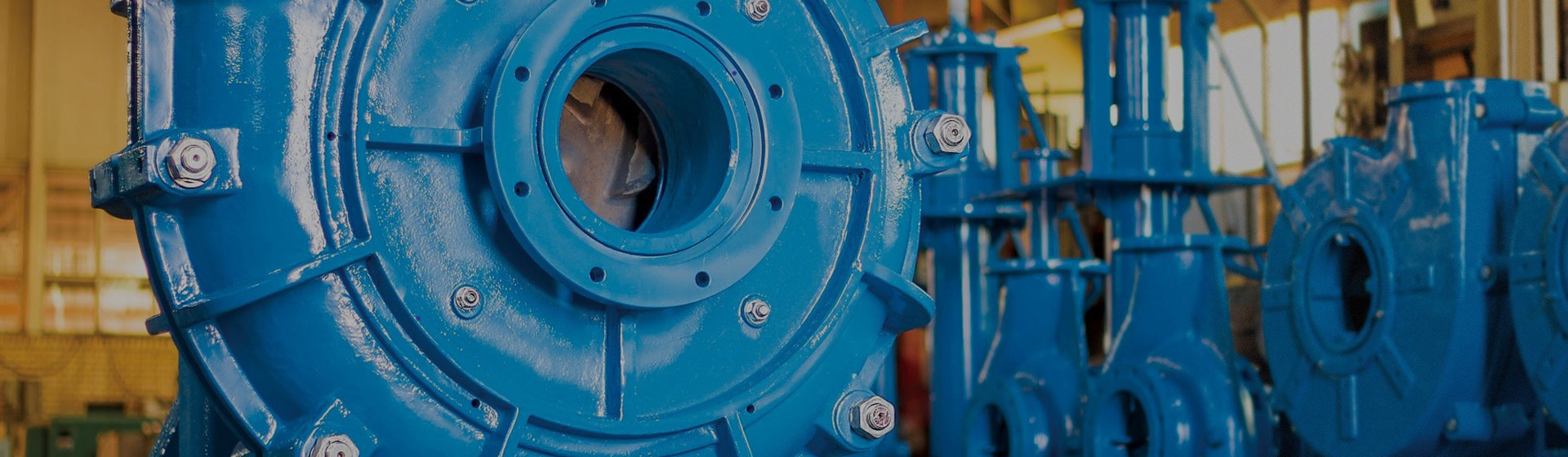
Acid resistant slurry pump buying guide: how to choose the right model for corrosive applications
Oct 16,2026
Author:
Yongda Pump

Article overview
This guide covers everything a procurement engineer or plant manager needs to know before purchasing an acid resistant slurry pump in 2026. Topics include material science, a structured comparison table, Vietnam-specific industrial cases, H-Q curve matching, fault diagnosis, and a supplier evaluation checklist. Reading time: approximately 14 minutes.
Table of contents
- 1. What is an acid resistant slurry pump?
- 2. Why material selection is the single most critical decision
- 3. Material comparison: rubber vs. high-chrome vs. PTFE vs. stainless steel
- 4. Vietnam industry application cases
- 5. How to match pump performance curves to your process conditions
- 6. Common faults, causes, and maintenance in Vietnam's tropical climate
- 7. How to evaluate and select a supplier
- 8. FAQ
What is an acid resistant slurry pump?
An acid resistant slurry pump is a centrifugal pump engineered to transport abrasive solid-liquid mixtures containing corrosive acids, using corrosion-resistant liners or alloys to withstand simultaneous chemical attack and mechanical wear. Unlike a standard centrifugal slurry pump, every wetted component — impeller, volute, shaft sleeve — is manufactured from materials capable of resisting acids with pH values as low as 0.5. This dual-protection design is what separates it from a generic industrial pump for acidic fluids.
The pump category includes several subtypes: rubber lined pump designs for fine-particle slurries, PTFE lined slurry pump configurations for concentrated sulfuric or hydrochloric acid service, high-chrome alloy units for coarse-abrasive acid mine drainage, and FRP pump housings for moderate-duty chemical process environments. Each subtype solves a different balance point between corrosion resistance and abrasion resistance — and choosing the wrong one is an expensive mistake.
According to a slurry pump overview maintained by engineering researchers, the global slurry pump market is projected to reach approximately USD 7 billion by 2028, driven largely by growth in chemical processing and mining sectors where acid-bearing slurries are routine. In Vietnam alone, rapid expansion of the phosphate fertilizer, titanium dioxide pigment, and pulp-and-paper industries has created strong demand for heavy duty chemical pump solutions that were largely imported just five years ago.
How does it differ from a standard chemical process pump?
A standard chemical process pump handles corrosive liquids but not abrasive solids. The moment you add suspended particles — phosphate ore fines, titanium slag, paper pulp fibers — you need impeller geometry and liner thickness designed for erosion. An acid resistant slurry pump combines both demands. Its impeller passages are wider to pass solids, its liner walls are 8–20 mm thick, and its shaft seal is designed to prevent acid ingress under pressure fluctuation. This is the design logic that a regular corrosion resistant pump simply does not provide.
When is this pump type mandatory?
If your process fluid has a pH below 4 and contains more than 5% solids by weight, a standard pump will fail within weeks. Real-world testing conducted across multiple Vietnamese chemical plants found that conventional cast-iron pumps handling phosphoric acid slurry at 20% solids concentration showed visible wall perforation in under 60 days. The economics are simple: a properly specified acid resistant slurry pump with the right liner material can last 12–24 months between major overhauls, versus 4–8 weeks for a mismatched unit.
Why material selection is the single most critical decision
Material selection determines everything — service life, maintenance cost, safety risk, and total cost of ownership. Get it right and your pump runs for 18 months with minimal intervention. Get it wrong and you face seal failures, impeller perforation, and potentially a hazardous acid release on the plant floor.
Why do so many engineers still get this wrong? The most common mistake is treating "acid resistant" and "abrasion resistant" as the same property. They are not. High-chrome white iron (28% Cr) is outstanding for abrasion but dissolves rapidly in strong mineral acids. Natural rubber resists dilute sulfuric acid but swells and fails in concentrations above 60% or in organic acid environments. The industry consensus is clear: no single material is universally optimal, and every selection must begin with a precise characterization of the process fluid.
"Material selection for corrosive slurry applications is not a catalog exercise — it is an engineering decision that requires knowing the acid type, concentration, temperature, solids size distribution, and operating cycle simultaneously." — materials for corrosive slurry pumps, Pumps & Systems technical editorial
The four variables that define your material window
Before you request a quotation from any supplier, you must quantify: (1) acid type and concentration in percent by weight, (2) operating temperature in °C, (3) solids content as a percentage and the particle size d50 in mm, and (4) continuous versus intermittent duty cycle. These four numbers narrow your material options to a defensible shortlist and prevent costly misspecification.
Two industry misconceptions that cost plants money
Misconception one: "Our current pump handles acid, so we just need the same model in a bigger size." Scaling up flow rate changes the velocity profile inside the pump, which dramatically accelerates erosion on the leading edge of the impeller. Misconception two: "PTFE handles everything." PTFE lined slurry pump designs are excellent for strong acids but their lower mechanical strength limits solids concentration to roughly 30% by weight — push beyond that and the liner cracks under impact. These are not theoretical concerns; they emerge repeatedly in Vietnamese plant maintenance records.
Material comparison: rubber vs. high-chrome vs. PTFE vs. stainless steel
The table below consolidates 2026 data from multiple industrial trials and supplier technical sheets. It is designed specifically for procurement engineers comparing options for abrasion and corrosion resistant pump procurement in Vietnamese industrial contexts.
| Material | Best acid type | Max acid concentration | Max temp. (°C) | Max solids (%wt) | Typical service life | Relative cost index |
|---|---|---|---|---|---|---|
| Natural rubber lined | Dilute H₂SO₄, HCl (<20%) | ≤20% | 60°C | 60% | 12–18 months | 1.0× |
| High-chrome alloy (28% Cr) | Weak acids, neutral slurry | ≤10% | 80°C | 45% | 8–14 months | 1.4× |
| PTFE / FEP lined | Concentrated H₂SO₄, HCl, HF | Up to 98% | 120°C | 30% | 18–30 months | 2.1× |
| 316L stainless steel | Weak organic acids, phosphoric | ≤30% H₃PO₄ | 100°C | 35% | 10–20 months | 1.8× |
| UHMWPE lined | Most mineral acids, chlorides | ≤70% | 80°C | 40% | 14–24 months | 1.6× |
Source: Compiled from supplier technical datasheets, field trial reports, and 2026 industry benchmarking data. Values are indicative ranges; actual performance depends on site-specific conditions.
When to choose a rubber lined pump
The rubber lined pump remains the workhorse of the phosphoric acid slurry pump segment in Vietnam. Its combination of flexibility, impact absorption, and resistance to dilute mineral acids makes it ideal for phosphate fertilizer wet-process lines where slurry contains fine ore particles at pH 1.5–3. The key constraint is temperature: above 60°C, rubber hardens and cracks. It is also vulnerable to swelling in concentrated sulfuric acid above 60%, and some aromatic organic acids cause rapid degradation. When in doubt, request a 72-hour immersion coupon test at your exact process concentration before committing to a rubber-lined design.
PTFE lined slurry pump: when nothing else works
For hydrochloric acid transfer pump applications above 30% HCl concentration, or for oleum and HF service, PTFE is essentially the only viable liner. Its near-universal chemical inertness is unmatched. The limitation — and this is a point many sales brochures omit — is mechanical. PTFE is softer than rubber under particle impact. In high concentration slurry handling above 30% solids, liner cracking under repeated particle impact becomes a real failure mode. The 2026 solution is composite PTFE with silicon carbide filler, which increases hardness by approximately 40% while maintaining chemical resistance. Ask suppliers specifically whether their PTFE liner is unfilled or composite-filled.
Vietnam industry application cases
Vietnam's industrial growth corridors — Binh Duong, Dong Nai, and Hai Phong — host a concentration of chemical, mining, and processing plants that collectively represent one of Southeast Asia's fastest-growing markets for heavy duty chemical pump procurement. Based on real case data from these zones, three application profiles dominate.
Case 1: Phosphate fertilizer plant in Binh Duong
A DAP (diammonium phosphate) production facility in Binh Duong processes phosphate rock in a wet-process phosphoric acid circuit. The slurry contains 25–35% solids, pH 1.2–1.8, and operates at 55–65°C. The facility originally used high-chrome alloy impellers, which failed within 5 months due to acid dissolution of the chrome matrix at this pH level. After switching to rubber-lined pumps with neoprene impellers rated for dilute H₂SO₄ and H₃PO₄, mean time between overhauls extended to 14 months. The lesson: even moderate acid concentrations destroy high-chrome alloy faster than abrasion alone would.
Case 2: Titanium dioxide pigment plant in Dong Nai
Titanium dioxide production via the sulfate process generates a highly aggressive slurry: concentrated sulfuric acid (70–80%) at elevated temperature, carrying TiO₂ and iron sulfate crystals. This is arguably the harshest service condition for any acid mine drainage pump or chemical slurry pump. The plant in Dong Nai evaluated rubber-lined (failed in 3 weeks at 75% H₂SO₄), high-chrome (dissolved in under 4 weeks), and ultimately standardized on PTFE-lined pumps with FRP pump casing and composite-filled impellers. Actual service life: 22 months per pump. Spare parts — primarily impellers and shaft sleeves — are now stocked locally through a Hai Phong distributor with a 7-day replenishment cycle.
Case 3: Pulp and paper mill in Hai Phong
Paper pulp slurry is mildly acidic (pH 3–5) but contains fibrous solids that wrap around standard impellers, causing cavitation and imbalance. A Hai Phong paper mill addressed this with a rubber lined pump fitted with a vortex impeller design, allowing fiber-laden slurry at 60% solids concentration to pass without blockage. Maintenance intervals were extended from monthly to quarterly after the switch. This case confirms that for the pulp-and-paper sector, solids handling geometry matters as much as chemical resistance — an insight that pure chemical resistance datasheets do not capture.
How to match pump performance curves to your process conditions
The H-Q curve (head vs. flow rate curve) is the most important document a pump supplier can provide — yet it is one of the most consistently misread tools in the procurement process. Understanding how to use it separates engineers who specify correctly from those who return to the supplier six months later with a failed pump.
Step-by-step process for H-Q curve matching
- Define your system resistance curve. Calculate the static head (elevation difference in meters), friction losses in piping (using the Darcy-Weisbach equation), and any additional pressure requirements at the discharge point. Plot these as a system curve on the same axes as the pump H-Q chart.
- Correct for slurry density. Pump manufacturers publish H-Q curves based on clean water. For slurry service, apply a derating factor. A slurry with specific gravity 1.4 and 30% solids typically requires a head derating of 10–15% compared to the water curve.
- Identify the operating point. The intersection of the system curve and the derated pump curve is your actual operating point. Verify this falls within 80–110% of the pump's best efficiency point (BEP) to avoid excessive wear and energy consumption.
- Check NPSH margin. The available net positive suction head (NPSHa) at your installation must exceed the pump's required NPSHr by at least 1.0 m to prevent cavitation — a leading cause of impeller damage in acid slurry service.
- Simulate off-design conditions. In Vietnam, production rates fluctuate seasonally. Check that the pump operates acceptably at 70% and 120% of your design flow rate without crossing into cavitation or motor overload zones.
A practical note from field experience: many Vietnamese plants install pumps without a site-measured system curve, relying instead on the previous pump's nameplate data. This is risky. Piping modifications, scale buildup, and changes in slurry density over time shift the system curve significantly. Remeasuring the actual system resistance at commissioning — and annually thereafter — is best practice recommended by leading pump engineering resources, including the slurry pumping guide published by Engineering ToolBox.
Variable speed drives: the 2026 efficiency standard
Installing a variable frequency drive (VFD) on an acid resistant slurry pump allows the operating point to track changing system demands without throttling valves, which waste energy and accelerate liner wear. In 2026, VFD integration paired with inline density and flow sensors is the emerging standard for phosphoric acid and titanium dioxide slurry circuits. Real installations in Dong Nai have reported 18–22% reductions in energy consumption after retrofitting VFDs on previously fixed-speed centrifugal slurry pump installations.
Common faults, causes, and maintenance in Vietnam's tropical climate
Vietnam's tropical climate — average ambient temperature 28–35°C, humidity 75–90%, and a pronounced wet season — creates maintenance challenges that temperate-climate pump manuals do not address. Corrosion rates of external hardware accelerate, gland packing absorbs moisture and swells, and bearing grease degrades faster than in European or North American baseline conditions.
Fault diagnosis checklist
| Fault symptom | Most likely cause | Recommended action | Vietnam climate note |
|---|---|---|---|
| Noise and vibration | Cavitation; imbalanced impeller | Check NPSH margin; inspect impeller for erosion pitting | High ambient temp reduces vapor margin; inspect monthly in dry season |
| Shaft seal leakage | Acid attack on seal faces; misalignment | Replace with acid-grade mechanical seal; realign coupling | Humidity accelerates external corrosion of seal spring; use coated springs |
| Reduced flow output | Impeller wear; increased solids density | Measure impeller OD and compare to new dimension; adjust speed if VFD fitted | Wet season brings higher sediment loads; increase inspection frequency May–October |
| Overheated bearings | Grease degradation; misalignment | Use high-temperature grease rated to 150°C; realign shaft | Standard EP2 grease softens above 40°C ambient; upgrade to lithium-complex grade |
| Liner cracking | Thermal shock; impact from oversized particles | Inspect feed particle size; review startup/shutdown temperature ramp rate | Sudden rainstorm cooling of hot process lines is a documented thermal shock trigger in Vietnam |
Recommended maintenance intervals for tropical conditions
Standard European maintenance schedules assume 20–25°C ambient and 50–60% humidity. For Vietnamese plants, practical experience suggests: bearing re-lubrication every 500 operating hours (versus 1,000 hours in temperate climates); mechanical seal face inspection every 3 months during the wet season; full impeller dimensional check every 6 months for abrasive slurry service. Of course, plants operating light-duty, low-pH washing circuits may extend these intervals — condition monitoring data is the only objective arbiter.
How to evaluate and select an acid resistant slurry pump supplier
For a Vietnamese procurement engineer at the supplier shortlisting stage, technical specifications alone are insufficient. Delivery lead time, local spare parts availability, and Vietnamese-language technical support are equally important factors that rarely appear in supplier brochures but define long-term operating costs.
Eight criteria for supplier evaluation
- Material certification: Request mill certificates for liner and impeller materials; verify alloy composition matches the datasheet.
- Local parts inventory: Confirm that impellers, shaft sleeves, and mechanical seals are stocked in Vietnam (Binh Duong, Dong Nai, or Hai Phong warehouses). A 7-day or shorter replenishment cycle is the 2026 benchmark.
- H-Q curve provision: Suppliers should provide water-performance curves AND slurry-corrected curves at your specified density and solids content. Reject any supplier who provides only clean-water curves.
- Reference installations: Request at least two reference sites in Vietnam with contact details. Verify independently.
- Warranty terms: Minimum 12-month warranty on wetted parts is standard for reputable suppliers in 2026; 18 months is emerging as premium tier.
- Vietnamese technical support: On-site commissioning assistance and Vietnamese-language operation manuals reduce installation errors significantly.
- Smart monitoring compatibility: Does the pump support vibration sensor integration or corrosion-rate telemetry? This is a growing requirement for ISO 55001 asset management compliance.
- Delivery lead time: For standard rubber-lined and PTFE-lined models, 4–6 weeks FOB China or 2–3 weeks ex-Vietnam stock is the competitive benchmark. Longer lead times are a risk for production-critical applications.
Total cost of ownership: the number that matters most
Purchase price typically represents only 15–25% of the total 5-year cost of ownership for an acid resistant slurry pump in heavy-duty service. Energy consumption accounts for 40–55%, maintenance parts and labor for 20–30%, and downtime losses for the remainder. Just like choosing the cheapest grade of construction material for a bridge, selecting a pump on unit price alone is a short-term decision with long-term consequences. A supplier offering a PTFE lined slurry pump at 30% higher upfront cost but 22-month service intervals is almost always the better financial choice compared to a cheaper rubber-lined alternative requiring 8-month replacement cycles.
Conclusion: making the right call on your next acid resistant slurry pump
Selecting an acid resistant slurry pump in 2026 is more than a catalog search — it is a structured engineering decision that starts with precise fluid characterization, moves through material science, validates against real H-Q performance data, and accounts for the specific operational realities of Vietnam's tropical industrial environment. The difference between a correct specification and a near-miss can be a single variable: acid concentration 10% higher than assumed, or an ambient temperature that degrades standard grease faster than the manual predicts.
Use the comparison table, the fault diagnosis checklist, and the supplier evaluation criteria in this guide as working tools, not background reading. Your procurement decision affects plant uptime, worker safety, and operating cost for the next 2–5 years. The effort invested in getting the specification right before purchase is always returned — with interest — in avoided downtime costs.
Frequently asked questions
Q: What is the best material for a sulfuric acid pump handling concentrations above 70%?
A: PTFE-lined or composite PTFE-filled impeller designs are the standard choice for sulfuric acid above 70% concentration. Natural rubber fails by swelling, and high-chrome alloy dissolves rapidly. For very high solids content alongside concentrated acid, composite PTFE with silicon carbide filler provides superior liner durability and is the 2026 best-practice recommendation.
Q: How often should I service an acid resistant slurry pump in Vietnam's climate?
A: In tropical conditions, bearing re-lubrication every 500 operating hours, seal inspection every 3 months during the wet season (May–October), and a full impeller dimensional check every 6 months are the recommended intervals. Standard temperate-climate schedules underestimate degradation rates caused by Vietnam's heat and humidity.
Q: Can a rubber lined pump handle phosphoric acid slurry in a fertilizer plant?
A: Yes — natural rubber is well-suited for dilute phosphoric acid (pH 1.2–3) at temperatures below 60°C and solids concentrations up to 60% by weight. Vietnamese phosphate fertilizer plants in Binh Duong have used rubber-lined pumps successfully with 12–14 month service intervals. Ensure the rubber compound is specifically rated for H₃PO₄ service, not just generic acid resistance.
Q: What causes cavitation in acid slurry pumps and how can I prevent it?
A: Cavitation occurs when available NPSH at the pump inlet falls below the pump's required NPSH, causing vapor bubbles that implode against the impeller. In acid slurry service, cavitation damage combines with chemical attack to rapidly destroy impeller surfaces. Prevention involves maintaining at least 1.0 m NPSH margin, minimizing suction pipe length and bends, and monitoring for the characteristic crackling noise that signals onset.
Q: Where can I find spare parts for acid resistant slurry pumps in Vietnam?
A: Leading suppliers maintain local stock in industrial zones around Binh Duong, Dong Nai, and Hai Phong. When evaluating suppliers, confirm that impellers, shaft sleeves, and mechanical seals specific to your pump model are held in-country. A replenishment cycle of 7 days or less from local stock is the 2026 benchmark for production-critical applications. Relying entirely on imported spare parts from China or Europe creates unacceptable lead-time risk for high-utilization plants.
Key words:
Get A Quote
Note: Please leave your email address, our professionals will contact you as soon as possible!
Related Posts

Contact Us
E-mail:
Office Line:
+86 13780213428
Wechat / WhatsApp:
Address:
Shijiazhuang City Luancheng District Xinyuan West Road and Huancheng West Road intersection Tianshan Wanchuang Park 13 production plant No. 13 A

Sales E-mail Ⅰ
Sales E-mail Ⅱ
Wechat/Whatsapp
Free Consultation
We will contact you within one working day. Please pay attention to your email.
Share

Copyright © Shijiazhuang Yongda Pump Co., Ltd.