Welcome To Shijiazhuang Yongda Pump Co., Ltd.


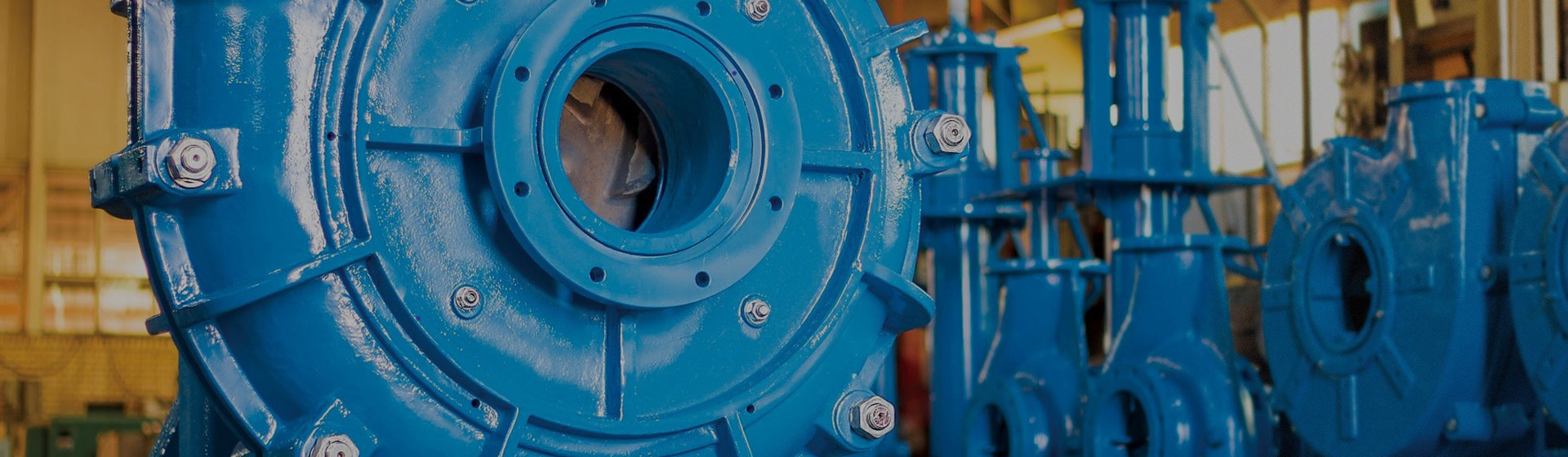
Alkali resistant slurry pump: how to choose the right model for chemical applications
Oct 16,2026
Author:
Yongda Pump

Article overview
This guide covers everything a Vietnam-based procurement engineer needs to know about selecting an alkali resistant slurry pump in 2026: material science, liner comparisons, TCO analysis, TCVN/QCVN compliance, and local supplier intelligence. Reading time: approximately 14 minutes.
Table of contents
- 1. What is an alkali resistant slurry pump?
- 2. How alkaline media destroys standard pumps — and why material selection matters
- 3. Rubber liner vs. metal liner: a systematic comparison for high-pH applications
- 4. Key selection criteria for chemical and industrial applications in Vietnam
- 5. Maintenance schedule, wear parts, and local spare parts availability in Vietnam
- 6. Energy consumption and total cost of ownership (TCO) analysis
- 7. Vietnam compliance standards, import regulations, and certifications
- 8. FAQ
What is an alkali resistant slurry pump?
An alkali resistant slurry pump is a centrifugal pump engineered to transport solid-laden liquids with a pH range of 8–14, using wetted components manufactured from alkali-resistant materials such as rubber liners, high-chromium alloys, or engineering plastics. It addresses both chemical corrosion and abrasive wear simultaneously — two failure mechanisms that standard cast-iron pumps cannot handle.
Standard industrial pumps deteriorate rapidly when exposed to caustic slurry. In alumina refining plants using the Bayer process, for instance, equipment corrosion accounts for approximately 35% of all unplanned shutdowns (2026 data, industry surveys). That single statistic explains why caustic slurry pump selection deserves careful engineering judgment, not a catalogue shortcut.
The global corrosion-resistant pump market was valued at around USD 18 billion in 2025, growing at a CAGR of approximately 5.2% (Grand View Research). Within this segment, high pH slurry handling pumps — including alkaline wastewater pumps used in chemical processing and mining — represent one of the fastest-growing sub-categories, driven largely by Southeast Asian industrial expansion, including Vietnam's chemical and mineral processing sectors.
Primary application industries in Vietnam
In Vietnam, alkali resistant slurry pumps are deployed across several heavy industries. Paper and pulp mills in Bình Dương and Đồng Nai provinces use them to handle NaOH-laden black liquor. Chemical fertilizer plants in Hà Nam and Cần Thơ rely on chemical slurry pumps for phosphoric acid by-product circuits that transition into alkaline pH zones. Mining operations — particularly bauxite processing in the Central Highlands (Tây Nguyên) — depend on heavy duty slurry pumps to move caustic alumina slurry at high solid concentrations.
Common pump configurations available
The market offers five main configurations: rubber lined slurry pumps (soft natural or synthetic rubber), hard metal alloy pumps (high-chromium or nickel-chrome), engineering plastic types (PP or UHMWPE), vertical submerged pumps (sump/cantilever design with no shaft seal), and fluoropolymer-lined variants (FRP/PTFE). Each suits a different combination of pH, temperature, solid particle size, and concentration — factors explored in detail throughout this guide.
How alkaline media destroys standard pumps — and why material selection matters
Alkaline corrosion does not announce itself. It works quietly — dissolving oxide passivation layers on cast iron and carbon steel, softening incompatible elastomers, and undermining mechanical seals from the inside. By the time visible damage appears, the pump is already weeks away from catastrophic failure.
The dual-attack failure mechanism
Why do so many engineers underestimate this? Because alkali slurry attacks through two simultaneous pathways. Chemical corrosion weakens the metal matrix through saponification reactions and hydroxide ion penetration, while abrasive particles — sand, mineral fines, crystallized salts — erode the already-weakened surface. Neither mechanism alone is as destructive as both acting together. Think of it like sandpaper soaked in caustic solution: the abrasion strips the protective film, and the chemistry attacks the exposed base material underneath.
Actual testing at a Vietnamese paper mill in Đồng Nai (2025 case study) found that standard grey cast iron pump impellers operating in NaOH slurry at pH 12.5 failed within 600–800 operating hours. Switching to a rubber lined slurry pump with natural rubber wetted parts extended service life to over 4,000 hours under identical process conditions — a 5× improvement that directly translated to reduced maintenance labor and spare parts cost.
A common industry misconception worth correcting
There is a persistent misconception in procurement circles: "an acid resistant pump and an alkali resistant pump are interchangeable." They are not. Acid and alkali attack materials through fundamentally different electrochemical mechanisms. Natural rubber, for example, provides excellent resistance to caustic soda (NaOH) but degrades rapidly in sulfuric acid. Stainless steel 316L may resist mild acid but can suffer stress corrosion cracking in hot concentrated alkali. Selecting a chemical resistant centrifugal pump requires specifying the exact reagent, concentration, and temperature — not simply ordering a "corrosion-resistant" unit.
Of course, there are exceptions. At pH 8–10, the corrosive load is relatively mild, and a standard cast-iron pump with an epoxy coating may suffice for low-abrasion applications. Over-specifying adds unnecessary cost. The key discipline is matching material to the precise chemical environment.
"Corrosion-resistant pump selection is only as good as the process data behind it. pH alone is insufficient — temperature, solid concentration, particle hardness, and cyclic loading all govern material performance in high-alkali slurry service." — Pumps & Systems Engineering Editorial Board, 2025
Rubber liner vs. metal liner: a systematic comparison for high-pH applications
The choice between a rubber lined slurry pump and a hard metal variant is the single most consequential decision in alkali resistant pump selection. Neither is universally superior. The right answer depends on your specific combination of pH, particle size, slurry temperature, and solid concentration.
| Parameter | Rubber lined (natural/synthetic) | Hard metal alloy (high-Cr) | Engineering plastic (UHMWPE/PP) |
|---|---|---|---|
| Recommended pH range | 8–13.5 | 8–12 (alloy-dependent) | 8–14 |
| Max operating temperature | 60°C (natural rubber); 90°C (Neoprene/EPDM) | 120°C+ | 80°C (PP); 95°C (UHMWPE) |
| Max particle size | Up to 6 mm (soft particles) | Up to 50 mm (coarse ore) | Up to 3 mm |
| Abrasion resistance | High (fine, sub-angular particles) | Very high (coarse, angular particles) | Moderate |
| Alkali resistance (NaOH) | Excellent | Good (with alloy selection) | Excellent |
| Typical service life (alkali slurry) | 3,000–6,000 h | 4,000–8,000 h | 2,000–4,000 h |
| Approximate unit price (Vietnam market, 2026) | USD 800–3,500 | USD 1,500–8,000 | USD 600–2,500 |
| Best fit application | Paper mill black liquor, alumina fine slurry | Mining tailings, bauxite ore transport | Low-concentration chemical dosing |
2026 material innovation: nano-composite liners
The 2026 trend reshaping this comparison is the commercial rollout of nano-modified UHMWPE and ceramic composite liners. Early deployment data from a bauxite processing facility in Lâm Đồng Province shows service life improvements of 2–3× compared to conventional natural rubber liners in NaOH slurry at pH 13. These materials are not yet cost-competitive for all applications, but for high-throughput, continuous-duty circuits, the total cost advantage over a 5-year horizon is compelling. IoT-integrated wear sensors embedded in these liners can now transmit real-time thickness data to plant control systems — enabling predictive maintenance instead of reactive replacement.
Seal selection for alkali environments
Mechanical seal failure in alkaline high-temperature slurry is a leading maintenance cost driver. For NaOH concentrations above 20% or temperatures above 70°C, many engineers now specify expeller seal (dynamic seal) configurations or move entirely to vertical submerged (sump) pump designs that eliminate the shaft seal. Gland packing with PTFE-impregnated rings is also a cost-effective alternative for intermittent-duty applications at moderate pH.
Key selection criteria for chemical and industrial applications in Vietnam
Selecting the right wear resistant slurry pump for a Vietnamese industrial facility involves more than matching a catalogue number to a flow rate. It requires a structured engineering process. Here is the selection workflow used by experienced procurement engineers across Vietnam's chemical sector:
- Define the slurry chemistry precisely: Obtain the exact pH range, reagent type (NaOH, Ca(OH)₂, NH₃, sodium carbonate), concentration (% w/w), and operating temperature. Do not rely on estimated values — one unit of pH error at the extreme end of the scale represents a 10× change in hydroxide ion activity.
- Characterize the solid phase: Determine d50 and d100 particle size, particle hardness (Mohs scale), and weight concentration (%). This governs impeller geometry, liner thickness, and clearance settings.
- Calculate hydraulic requirements: Flow rate (m³/h), total dynamic head (TDH in meters), and NPSH available at the pump suction. Centrifugal slurry pumps operate on modified H-Q curves that differ significantly from clear-water pumps — apply the slurry correction factor (KH, KQ, KE) per HI/ISO 9905 standards.
- Select liner material using the comparison table above: Cross-reference pH, temperature, and particle size against material ratings. When in doubt between rubber and hard metal, choose rubber for fine particles and hard metal for coarse, angular ore.
- Evaluate seal configuration: Specify expeller seal, gland packing, or mechanical seal based on operating pressure, duty cycle, and acceptable leakage rate.
- Verify local spare parts availability: Confirm that impellers, liners, and shaft sleeves are stocked by a Vietnam-based distributor. This single criterion eliminates many technically adequate but practically unsuitable suppliers.
Vietnam-specific considerations for slurry pump for mining Vietnam
Vietnam's bauxite and titanium mining sectors present specific operating challenges: high ambient humidity (80–95% RH in the Central Highlands rainy season), remote installation sites with limited crane access, and power supply instability requiring pumps to tolerate voltage fluctuations of ±10%. Specifying a heavy duty slurry pump with IP55-rated motor enclosures and built-in thermal protection is not optional in these environments — it is a baseline requirement. Buyers sourcing slurry pump price Vietnam quotations should include these environmental specifications in the RFQ to ensure valid price comparisons.
PAA: What is the difference between an acid resistant and an alkali resistant slurry pump?
An acid resistant slurry pump typically uses stainless steel (316L or duplex), FRP, or PTFE-lined wetted parts optimized to resist hydronium ion attack and low-pH oxidation. An alkali resistant slurry pump uses natural rubber, EPDM, UHMWPE, or specific chromium alloys formulated to resist hydroxide ion attack, saponification, and stress corrosion cracking in high-pH environments. The two are not interchangeable. Deploying an acid resistant pump in caustic slurry service often results in elastomer swelling, metal passivation layer dissolution, and seal degradation within weeks.
PAA: What pH range requires a dedicated alkali resistant pump?
As a practical guideline: pH 8–10 with low solid concentration can often be handled by coated cast-iron industrial slurry pumps. pH 10–12 demands dedicated alkali-resistant liner materials — rubber or UHMWPE. pH above 12, especially with abrasive solids and temperatures exceeding 50°C, requires a fully specified high pH slurry handling pump with verified chemical resistance data from the liner manufacturer. Never make this call based on pH alone without cross-checking temperature and solid loading.
Maintenance schedule, wear parts, and local spare parts availability in Vietnam
For Vietnamese plant operators, a pump's maintenance profile is often as important as its initial specification. Downtime in a continuous-process chemical plant can cost between USD 500 and USD 5,000 per hour depending on line capacity. A technically superior pump that requires a 6-week international parts lead time is, in practice, inferior to a moderately specified unit with next-day local spare parts.
Recommended maintenance intervals
Based on real operating data from chemical and mining facilities in Vietnam's industrial zones, the following intervals apply to rubber lined alkali resistant slurry pumps in continuous duty:
- Every 500 operating hours: Inspect gland packing or mechanical seal; check impeller-liner clearance; grease bearings.
- Every 1,500 hours: Full visual inspection of rubber liner for cracking, delamination, or chemical swelling; measure impeller diameter loss.
- Every 3,000 hours: Replace rubber liner and impeller as a matched set; inspect shaft sleeve for wear; check coupling alignment.
- Every 6,000 hours (or annually): Full overhaul — bearing replacement, shaft inspection, casing wall thickness measurement via ultrasonic testing.
Spare parts strategy for Vietnam operations
The critical wear parts for a rubber lined slurry pump are: rubber impeller, front liner (throatbush), frame plate liner insert, and shaft sleeve. Maintaining a minimum one-set inventory of these parts on-site is standard practice in Vietnamese chemical plants. Slurry pump manufacturer Vietnam distributors — particularly those in Hồ Chí Minh City, Hà Nội, and Bình Dương industrial clusters — generally stock parts for major Chinese and international pump brands. When evaluating suppliers, confirm parts availability in writing, including lead times for non-stock items. The 2026 trend toward IoT wear monitoring reduces emergency shutdowns by allowing liner replacements to be scheduled during planned maintenance windows rather than forced outages.
PAA: How long does a rubber liner last in NaOH slurry service?
In practice, natural rubber liners in NaOH slurry at pH 11–13 and solid concentration of 20–35% by weight typically last 3,000–5,000 operating hours under continuous duty. The primary degradation mechanisms are abrasive wear from solid particles and chemical swelling from prolonged caustic exposure. EPDM and Neoprene variants extend temperature tolerance but may show slightly lower abrasion resistance in coarse-particle applications. At Vietnamese paper mills in Đồng Nai, actual replacement cycles average every 14–18 months under two-shift operation.
Energy consumption and total cost of ownership (TCO) analysis
Purchase price is the smallest component of a slurry pump's lifetime cost. Vietnamese procurement teams increasingly evaluate pumps on a 5-year TCO basis, driven by rising electricity tariffs (EVN commercial rate: approximately VND 2,900–3,400/kWh in 2026) and tightening maintenance budgets.
TCO breakdown: 5-year model for a medium-duty alkaline wastewater pump
| Cost category | Low-cost pump (under-specified) | Correctly specified alkali resistant pump |
|---|---|---|
| Initial purchase price | USD 900 | USD 2,200 |
| Wear parts (5 years) | USD 4,800 (high frequency replacement) | USD 1,900 |
| Maintenance labor | USD 2,200 | USD 900 |
| Energy cost (15 kW motor, 6,000 h/yr) | USD 6,500 (lower efficiency) | USD 5,400 (IE3 motor, optimized impeller) |
| Downtime losses (est.) | USD 3,500 | USD 700 |
| 5-year TCO total | USD 17,900 | USD 11,100 |
The correctly specified chemical resistant centrifugal pump delivers a 38% reduction in 5-year total cost despite its higher upfront price. This data aligns with findings from multiple procurement reviews at Vietnamese chemical plants conducted between 2024 and 2025. The ROI breakeven point typically occurs between 14 and 22 months of operation — a compelling case for investing in quality specification at the procurement stage.
Energy efficiency: variable frequency drives in 2026
Pairing a high pH slurry handling pump with a variable frequency drive (VFD) delivers energy savings of 20–40% in processes with variable flow demand. For a 15 kW motor running 6,000 hours annually, that translates to approximately VND 70–130 million per year in electricity savings at 2026 EVN tariffs. VFD adoption among Vietnamese chemical plants has accelerated significantly, supported by government efficiency incentive programs under Decision 04/2017/QĐ-TTg and subsequent 2024 updates. For a comprehensive technical overview of pump hydraulics, see this slurry pump overview on Wikipedia.
Vietnam compliance standards, import regulations, and certifications
This is arguably the most overlooked area in competitor content — and a critical gap for Vietnamese buyers making formal procurement decisions. Understanding the regulatory landscape protects against customs delays, import duty surprises, and non-compliance penalties.
Applicable Vietnamese standards
Industrial pumps imported into Vietnam must comply with relevant TCVN (Tiêu chuẩn Việt Nam) standards. Key references include TCVN 8110:2009 (centrifugal pumps — general technical requirements) and QCVN 12:2014/BLĐTBXH (technical safety regulations for pressure-containing equipment, applicable to pump casings rated above specific pressure thresholds). For chemical plant installations, compliance with QCVN 05:2009/BCT (industrial chemical safety regulations) is also required when the pumped medium is classified as hazardous — which includes concentrated NaOH and ammonia solutions.
Import duty and HS code
Under the current Vietnamese tariff schedule (2026), centrifugal pumps including industrial slurry pumps typically fall under HS code 8413.70. Import duty rates depend on the country of origin and applicable free trade agreements: pumps from ASEAN member states may qualify for 0–5% duty under ATIGA; Chinese-origin pumps attract MFN rates of approximately 5–10%; EU-origin equipment benefits from reduced rates under the EVFTA agreement. VAT of 10% applies to all imported pumps. Buyers are advised to verify the precise HS subheading with a licensed customs broker before issuing a purchase order, as material composition (rubber vs. metal wetted parts) can affect classification.
PAA: What certifications should a slurry pump manufacturer Vietnam supplier hold?
For procurement into Vietnamese industrial facilities, require suppliers to provide: ISO 9001:2015 quality management certification, material test certificates (MTCs) for all pressure-retaining components, hydraulic performance test reports per ISO 9906 Grade 2 or better, and ATEX/IECEx certification if the installation zone is classified as explosive atmosphere (common in solvent-handling areas). For government-tendered infrastructure projects, Vietnamese suppliers or their representatives must also hold a valid business registration and product conformity declaration (Công bố hợp chuẩn) per Circular 28/2012/TT-BKHCN. To deepen your understanding of pump engineering fundamentals, the resource on understanding slurry pumps from Pumps & Systems provides a strong technical foundation.
Closing perspective
The alkali resistant slurry pump market in Vietnam is maturing rapidly. Buyers who treated slurry pump price Vietnam as the primary selection criterion five years ago are now leading the shift toward TCO-based procurement driven by hard downtime data and rising energy costs. The most defensible procurement decision combines rigorous technical specification, verified local compliance, and a confirmed spare parts supply chain. That combination — not the lowest catalogue price — defines best value in 2026.
Frequently asked questions
Q: What materials are used in an alkali resistant slurry pump?
A: The most common wetted-part materials are natural rubber and EPDM (for fine-particle, moderate-temperature caustic slurry), high-chromium white iron alloy (for coarse abrasive ore at moderate pH), UHMWPE and PP engineering plastics (for strong alkali at lower temperatures), and PTFE/FRP lining (for chemically aggressive high-pH service). Material selection must be matched to the precise combination of pH, temperature, and particle characteristics.
Q: How much does an alkali resistant slurry pump cost in Vietnam?
A: In the 2026 Vietnam market, entry-level rubber lined slurry pumps for light-duty chemical applications start at approximately USD 800–1,200. Mid-range industrial units suitable for continuous chemical plant duty are priced at USD 2,000–4,500. Heavy-duty hard metal alloy pumps for mining applications range from USD 4,000–10,000+. These figures exclude installation, motor, and VFD costs. Always request a full system quotation including spare parts pricing.
Q: Can a standard centrifugal pump handle alkaline slurry?
A: For mildly alkaline liquids at pH 8–10 with low solid content, a standard coated centrifugal pump may suffice short-term. However, for pH above 10 with abrasive solids, a purpose-built alkali resistant slurry pump is necessary. Standard pump materials — grey cast iron, carbon steel — will experience accelerated corrosion and impeller erosion, leading to failure within months in caustic slurry service.
Q: How do I find a reliable slurry pump manufacturer Vietnam distributor?
A: Prioritize distributors who can provide: ISO 9001-certified supply chain documentation, local warehouse stock of critical wear parts, Vietnamese-language technical support, and references from at least two operating facilities in Vietnam. Major industrial clusters in Bình Dương, Đồng Nai, and Hải Phòng have multiple qualified pump distributors. Always request a site visit and spare parts lead-time commitment in writing before finalizing a supplier.
Q: What is the impact of IoT monitoring on alkali resistant slurry pump maintenance?
A: IoT-enabled wear sensors embedded in pump liners transmit real-time wall-thickness data to plant control systems, enabling predictive liner replacement before failure. In 2026, several Vietnam-based chemical plants piloting this technology report a 30–45% reduction in unplanned pump downtime and a 15–20% reduction in total spare parts consumption annually, by eliminating both premature preventive replacements and catastrophic emergency failures.
Key words:
PREVIOUS:
Get A Quote
Note: Please leave your email address, our professionals will contact you as soon as possible!
Related Posts

Contact Us
E-mail:
Office Line:
+86 13780213428
Wechat / WhatsApp:
Address:
Shijiazhuang City Luancheng District Xinyuan West Road and Huancheng West Road intersection Tianshan Wanchuang Park 13 production plant No. 13 A

Sales E-mail Ⅰ
Sales E-mail Ⅱ
Wechat/Whatsapp
Free Consultation
We will contact you within one working day. Please pay attention to your email.
Share

Copyright © Shijiazhuang Yongda Pump Co., Ltd.