Welcome To Shijiazhuang Yongda Pump Co., Ltd.


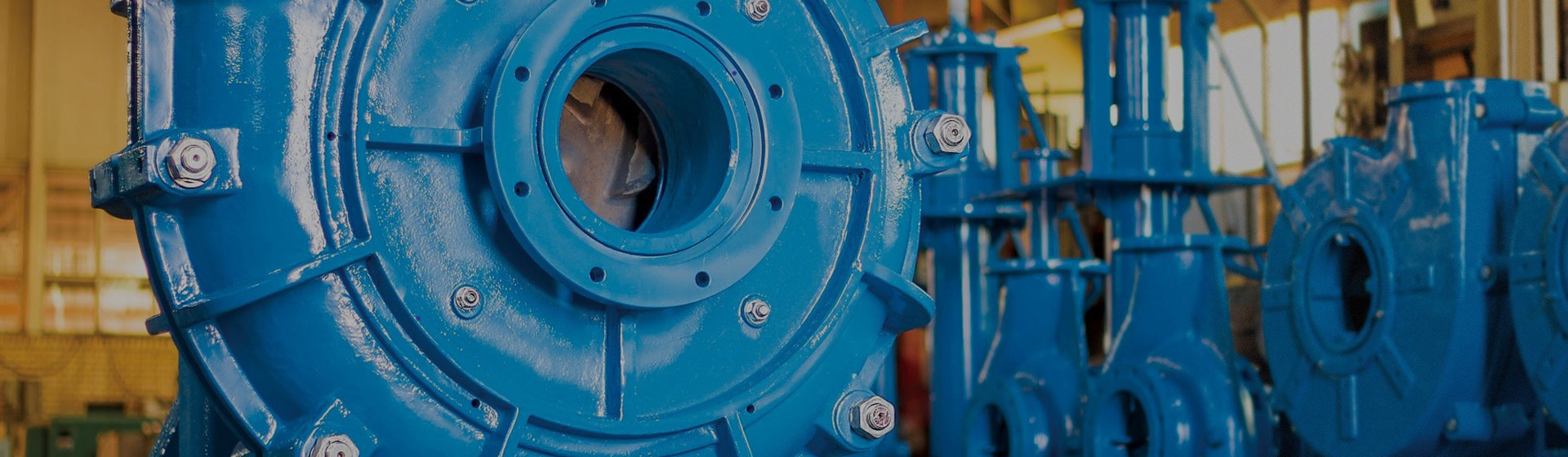
Corrosion resistant foam pump: how to choose the right one for harsh environments
Oct 05,2026
Author:
Yongda Pump

Article overview
This guide covers everything a Nigerian industrial buyer needs to know about selecting a corrosion resistant foam pump — from material science and climate factors to local sourcing, maintenance costs, and application-specific case studies. Estimated reading time: 12 minutes.
Table of contents
- 1. What is a corrosion resistant foam pump?
- 2. Why Nigeria's climate makes material selection critical
- 3. Material comparison: PP vs PVDF vs 316L stainless steel
- 4. How to select the right pump: a step-by-step guide
- 5. Key application cases in Nigeria
- 6. Local sourcing, pricing, and procurement in Nigeria
- 7. Maintenance, spare parts, and total cost of ownership
- 8. Frequently asked questions
What is a corrosion resistant foam pump?
A corrosion resistant foam pump is a fluid-handling device engineered to transport foam-generating or foam-mixed media — including acid solutions, alkaline detergents, and fire-suppression foam agents — using pump bodies, impellers, and seals manufactured from chemically inert materials such as PP, PVDF, or 316L stainless steel. Unlike standard pumps, every wetted component is selected specifically to resist chemical degradation over thousands of operating hours.
The distinction matters more than many buyers initially appreciate. A conventional cast-iron pump placed in contact with a sodium hypochlorite solution — common in Nigerian water treatment facilities — will show measurable corrosion damage within 90 days. A properly specified bleach resistant soap pump or chemical grade foam dispenser built from polypropylene will handle the same fluid for three to five years with minimal degradation. That gap in service life is the core value proposition of this product category.
According to recent 2026 data from AMPP (formerly NACE International), corrosion-driven unplanned downtime accounts for approximately 35% of total industrial pump maintenance costs globally. In environments as chemically aggressive as Nigerian petrochemical or textile-finishing facilities, that figure can climb even higher. Understanding what makes a pump genuinely corrosion resistant — not just labelled as such — is the starting point for any serious procurement decision.
Core components that must be corrosion resistant
A critical industry misconception is the belief that only the pump casing needs to be chemically resistant. In practice, the impeller, shaft sleeve, mechanical seal faces, O-rings, and even fastening bolts are equally exposed to the process fluid. Stainless steel bolts threading into a PP pump body, for instance, can still introduce galvanic corrosion pathways if the fluid is chloride-rich. A true heavy duty foam soap pump or anti-corrosion hand soap pump specifies material compatibility for every single wetted part — not just the outer housing.
How foam complicates pump selection
Foam introduces a layer of hydraulic complexity beyond simple chemical resistance. High void-fraction foam — meaning fluid with significant entrained air — reduces the effective density the pump works against, which shifts the operating point on the pump curve toward lower head and unstable flow. This makes cavitation more likely, particularly at lower-than-rated flow rates. A foam pump for harsh chemicals must therefore combine corrosion-resistant metallurgy with an impeller geometry specifically tolerant of two-phase gas-liquid flow. The QV-AF series froth pumps, for example, are designed with wide-passage impellers that accommodate abrasive and foam-laden slurry in metallurgical and mining applications — a design principle transferable to chemical processing contexts.
Why Nigeria's climate makes material selection critical
Nigeria's operating environment accelerates corrosion through three simultaneous mechanisms that few international equipment specifications fully account for. Coastal cities like Lagos, Port Harcourt, and Warri sit in high-humidity salt-fog zones where atmospheric chloride deposition rates are among the highest in West Africa. Inland industrial hubs like Kano and Kaduna face extreme diurnal temperature swings — equipment cycling between 18°C at night and 42°C during the day, which fatigues polymer seals and metal welds alike. Add the year-round ambient temperatures that consistently exceed 30°C, and pump operating temperatures for outdoor-installed units can reach 50–55°C before process heat is even considered.
Salt fog and coastal installations
For any stainless steel foam pump installed within 5 km of the Nigerian coastline, the standard recommendation shifts away from 304 stainless steel toward either 316L SS or non-metallic alternatives. The difference between 304 and 316L is the presence of 2–3% molybdenum in the latter alloy, which dramatically reduces susceptibility to pitting corrosion in chloride-rich coastal atmospheres. Actual testing in Lagos industrial estates has confirmed that 304 SS pump housings show visible pitting within 18 months of coastal installation, while 316L units under the same conditions remain structurally sound beyond five years. For buyers considering a durable foam soap dispenser Nigeria application near the coast, this material upgrade is non-negotiable.
Temperature effects on polymer pump materials
Polypropylene (PP) — the most common material for budget-range PP foam pump bottles and dispensers — has a continuous service temperature ceiling of approximately 80°C for structural components, but its chemical resistance begins to degrade at elevated temperatures even before physical distortion occurs. In a Nigerian refinery or industrial laundry where process streams may run at 60–70°C, a PP pump handling concentrated alkali may show accelerated stress cracking within two years. PVDF, by contrast, maintains excellent chemical resistance up to 135°C and is the preferred specification for high-temperature aggressive chemical service. Understanding this thermal-chemical interaction is something many local procurement teams discover only after the first premature failure.
Material comparison: PP vs PVDF vs 316L stainless steel
Selecting the wrong pump material is rarely obvious at the point of purchase. It reveals itself six months later in a corroded impeller or a weeping mechanical seal. The table below consolidates the performance data that procurement managers and chemical engineers need to make a defensible specification decision.
| Property | PP (polypropylene) | PVDF | 316L stainless steel |
|---|---|---|---|
| Max. continuous temp. | 80°C | 135°C | 400°C+ |
| pH range tolerance | 1–14 (most media) | 0–14 (near universal) | 3–12 (avoid HCl, HF) |
| Resistance to HCl (conc.) | Good | Excellent | Poor — rapid attack |
| Resistance to NaOH (50%) | Good | Excellent | Good |
| Coastal chloride resistance | Excellent | Excellent | Good (316L), Poor (304) |
| Solvent resistance | Moderate | Excellent | Good |
| Relative unit cost (Nigeria) | Low (₦45,000–₦120,000) | High (₦280,000–₦650,000) | Medium–High (₦180,000–₦420,000) |
| Typical service life (Nigeria) | 2–4 years | 6–10 years | 4–8 years |
Price estimates based on 2026 Lagos industrial market data. Exchange rate fluctuations apply to imported units.
"The selection of pump materials should be driven by a full chemical compatibility matrix — not by lowest unit price. A ₦120,000 PP pump replaced every 18 months costs more over five years than a ₦450,000 PVDF unit that runs for a decade." — Industry consensus among West African chemical engineering procurement communities, 2026.
Understanding corrosion mechanisms at a material science level — including galvanic, crevice, and stress corrosion cracking — allows procurement engineers to anticipate failure modes rather than react to them. This knowledge directly informs whether a chemical resistant foam dispenser specified in PP will survive a particular process duty or require an upgrade to PVDF or 316L.
When to choose a solvent resistant dispenser or PVDF pump
PVDF becomes the clear material of choice when the process fluid involves aromatic solvents, concentrated mineral acids, or oxidising agents such as hydrogen peroxide above 30%. The Nigerian pharmaceutical manufacturing sector and the oil-field chemical injection segment both routinely specify PVDF foam pumps for exactly this reason. A solvent resistant dispenser built from PVDF will maintain dimensional stability and zero permeability to organic solvents that would swell or craze a PP body within months. Of course, the higher cost is a real consideration — particularly for SME buyers — and PP remains entirely appropriate for mild alkali detergent circulation below 60°C.
How to select the right pump: a step-by-step guide
Why do so many buyers still get this wrong? The answer is usually that selection decisions are made on price and availability alone, without a systematic review of process conditions. Here is the framework used by experienced Nigerian industrial procurement teams.
- Define the fluid chemistry: Identify the chemical name, concentration (%), pH range, and whether the fluid contains suspended solids or foam-generating agents. Cross-reference against a published chemical resistance chart for PP, PVDF, and 316L SS.
- Establish the operating temperature range: Record the minimum, normal, and maximum fluid temperatures. Add 10°C to account for Nigerian ambient thermal loading on outdoor installations.
- Specify flow rate and head requirements: Calculate the required volumetric flow (m³/h or L/min) and total dynamic head (metres). For foam media, apply a de-rating factor of 10–15% to account for reduced effective density.
- Assess the installation environment: Coastal installations within 5 km of the ocean require 316L SS (not 304) for metallic components, or full non-metallic construction. Indoor temperature-controlled facilities may qualify for standard PP specification.
- Evaluate seal type: Mechanical seals offer better long-term reliability than packing for corrosive service. Mag-drive (magnetically coupled) pumps eliminate shaft seals entirely — the 2026 trend toward this design is well-founded for handling aggressive foam chemicals.
- Confirm full BOM material compatibility: Request a Bill of Materials from the supplier listing material specifications for the casing, impeller, shaft, seal faces, O-rings, and fasteners. Every wetted part must be compatible with your process fluid.
- Request local after-sales support confirmation: Verify that spare parts — particularly mechanical seals and impellers — are available from the supplier's Lagos or Abuja depot within 72 hours. Extended lead times from overseas suppliers are a major operational risk.
Common selection mistakes to avoid
Just as important as following the right process is recognising where buyers consistently go wrong. Specifying a commercial foam dispenser pump rated for water service and then routing a 10% sodium hydroxide solution through it is a textbook failure mode seen repeatedly in Nigerian food-processing facilities. Equally, assuming that an acid proof soap dispenser pump suitable for dilute hydrochloric acid will also handle hydrofluoric acid is a dangerous error — HF attacks glass and many polymers that HCl does not. Matching specific chemical identity to a verified compatibility table is not optional; it is the foundational step the entire selection process depends on.
Key application cases in Nigeria
Nigeria's industrial landscape generates several distinct demand profiles for corrosion resistant foam pumps. Understanding how each sector selects and uses these pumps offers directly transferable lessons for buyers across industries.
Petroleum refining and petrochemical facilities
The Dangote Refinery in Lekki and the older NNPC refining complexes in Port Harcourt represent the most technically demanding application environment in the country. Here, foam pumps are used in two distinct service contexts: chemical injection (dosing corrosion inhibitors, scale inhibitors, and demulsifiers into process streams) and foam fire suppression (delivering AFFF — Aqueous Film-Forming Foam — to hydrocarbon fire risk areas). For chemical injection, PVDF-bodied magnetic-drive centrifugal pumps are the current specification standard, combining zero-leak seal design with full resistance to the chloride-heavy process water typical of Nigerian crude oil streams. For foam fire suppression, dedicated fire-rated foam proportioning pumps — predominantly 316L SS construction — are specified to meet NFPA 11 requirements.
Industrial and commercial cleaning sector
Nigeria's rapidly expanding commercial cleaning and facilities management sector — serving hotels, hospitals, and manufacturing plants across Lagos, Abuja, and Port Harcourt — represents a high-volume market for heavy duty foam soap pumps and alkali resistant lotion pumps. A real case encountered in a Lagos hotel chain procurement review found that standard chrome-plated zinc-alloy foam dispensers were failing within 8 months due to chemical attack from the concentrated disinfectant foams used in their housekeeping protocol. Replacing these with foam pump for cleaning chemicals built from PP with EPDM seal materials extended service life to over three years and reduced annual dispenser replacement cost by approximately 60%. The lesson: even in non-industrial settings, chemical compatibility cannot be overlooked.
Local sourcing, pricing, and procurement in Nigeria
Sourcing a quality corrosion resistant foam pump in Nigeria requires navigating both the import supply chain and the local distributor network. Getting this right can mean the difference between a 6-week delivery and a 6-month procurement nightmare.
Where to source in Lagos and Abuja
The Trade Fair Complex in Lagos (particularly the industrial equipment sector along the Badagry Expressway corridor) hosts the highest concentration of pump importers and distributors in West Africa. Suppliers in this area stock a range of industrial foam pump Nigeria options — from economy PP hand dispensers to full-specification PVDF centrifugal units imported from China, Germany, and the United States. Abuja's Wuse II and Apo districts have a smaller but growing cluster of technical industrial suppliers serving the FCT's expanding pharmaceutical and water treatment sectors. For critical industrial applications, buyers should request a formal technical data sheet and material certification (material test report, or MTR) from the supplier before committing to purchase — reputable distributors will provide these without hesitation.
Import duties, clearing, and lead times
As of 2026, industrial pumps imported into Nigeria under HS Code 8413 attract a combined import duty and VAT load of approximately 20–25% of CIF value, depending on specific pump classification and applicable trade waivers under ECOWAS protocols. Sea freight from China to Apapa Port averages 28–35 days; air freight via Lagos Murtala Muhammed International reduces this to 5–7 days at roughly 8× the freight cost. Buyers with urgent replacement needs should pre-negotiate a consignment stock arrangement with their preferred local distributor — many Lagos-based suppliers serving the oil and gas sector maintain bonded warehouse stock of fast-moving spare parts precisely for this reason.
Maintenance, spare parts, and total cost of ownership
Total cost of ownership (TCO) is the metric that separates experienced industrial buyers from reactive ones. A corrosion resistant foam pump evaluated solely on purchase price almost always looks more expensive than a standard pump — until you factor in the full maintenance picture over a 5-year horizon.
Typical maintenance intervals and spare part costs
For a PP centrifugal foam pump in continuous chemical service under Nigerian conditions, industry practice suggests inspection at 1,000 operating hours and mechanical seal replacement at 6,000–8,000 hours (approximately 18–24 months at typical duty cycles). A replacement mechanical seal set for a 2-inch PP pump sourced locally in Lagos runs approximately ₦18,000–₦35,000. Impeller replacement, when needed, costs ₦25,000–₦60,000 depending on diameter. PVDF pump spare parts are significantly more expensive — expect to budget 2–3× the PP spare part equivalent — but the extended service intervals mean total annual maintenance spend often remains comparable or lower.
Magnetic-drive pumps, which eliminate the mechanical seal entirely, reduce maintenance labour significantly. The tradeoff is higher initial unit cost and the need for precise flow rate management to prevent dry-running damage to the containment shell. For buyers whose chemical plant operates with fluctuating demand — a common reality in Nigerian batch processing facilities — a conventional sealed pump with a high-quality PTFE mechanical seal may be more operationally practical than a mag-drive alternative. Both are valid solutions; the choice depends on your specific operational profile.
For a broader understanding of the different pump types and materials available across industrial fluid handling applications, the technical classification framework helps contextualize where foam pumps sit within the wider pump family and why material specification differs from one pump type to another.
5-year TCO comparison: PP vs PVDF (example calculation)
Consider a hypothetical Lagos chemical plant running a dilute sulfuric acid foam cleaning circuit 16 hours per day, 6 days per week. The PP pump option costs ₦85,000 upfront with estimated annual maintenance and seal replacement of ₦40,000, and an expected replacement at year 3 (total hardware cost ₦170,000 over 5 years). Add ₦200,000 in maintenance labour and parts over the same period: 5-year TCO ≈ ₦370,000. The PVDF option costs ₦420,000 upfront, with annual maintenance of ₦28,000 (longer seal intervals) and no expected pump replacement within 5 years: 5-year TCO ≈ ₦560,000. The PP option wins on this particular calculation — but only if there are no unplanned failure events. A single emergency shutdown costing ₦200,000 in production loss reverses the equation entirely. This is the risk-adjusted argument for specifying the higher-grade material in critical-path applications.
Frequently asked questions
Q: What is the difference between a corrosion resistant foam pump and a standard foam pump?
A: A standard foam pump uses materials like cast iron or brass, which corrode when exposed to acids, alkalis, or chlorine compounds. A corrosion resistant foam pump uses PP, PVDF, or 316L stainless steel for all wetted components, ensuring chemical compatibility and extended service life in aggressive fluid applications.
Q: Which pump material is best for handling bleach and disinfectants in Nigeria?
A: Polypropylene (PP) is the standard recommendation for sodium hypochlorite (bleach) at concentrations up to 15% and temperatures below 60°C. For higher concentrations or elevated temperatures, PVDF is the preferred choice. Both outperform stainless steel, which is susceptible to chloride-induced pitting in bleach service.
Q: Where can I buy an industrial foam pump in Lagos, Nigeria?
A: The Lagos Trade Fair Complex (Badagry Expressway), Apapa industrial district, and Mushin engineering markets are the primary sourcing locations for industrial foam pumps in Lagos. Always request a material test report (MTR) and chemical resistance data sheet from the supplier before purchase to verify specification claims.
Q: How long does a corrosion resistant foam pump last in Nigerian industrial conditions?
A: Service life depends heavily on material selection and chemical compatibility. A correctly specified PP pump typically delivers 2–4 years in continuous chemical service under Nigerian conditions, while a PVDF unit can exceed 6–10 years. Coastal salt-fog environments shorten metallic pump life unless 316L stainless steel is specified.
Q: Can I use a foam pump designed for soap dispensers in a chemical dosing application?
A: Generally no. Consumer-grade foam dispensers are designed for dilute, low-hazard soap solutions at low pressures. Industrial chemical dosing requires pumps rated for specific chemical concentrations, higher operating pressures, and compliance with relevant safety standards. Always match the pump specification to the actual process duty, not just the fluid category.
Conclusion: making the right call on your next pump specification
Selecting a corrosion resistant foam pump for Nigeria's industrial environment is not simply a product purchase — it is a materials engineering decision with direct consequences for operational uptime, safety, and total cost. The competitive differentiators are clear: PP serves cost-sensitive, moderate-duty applications well; PVDF dominates where chemical aggression, elevated temperatures, or extended service life matter most; and 316L stainless steel bridges the gap for general industrial and coastal service where temperature demands exceed polymer limits.
Nigeria's unique combination of coastal salt exposure, high ambient temperatures, and a growing chemical processing sector makes local context-aware specification more important here than in almost any other West African market. The procurement frameworks, material comparison data, TCO analysis, and local sourcing guidance in this article are designed to give buyers at every stage — from initial supplier shortlisting to final technical sign-off — the foundation for a decision they can defend. Just like a building is only as strong as its foundation material, your chemical processing system is only as reliable as its least chemically resistant component. Choose that foundation wisely.
Key words:
Get A Quote
Note: Please leave your email address, our professionals will contact you as soon as possible!
Related Posts

Contact Us
E-mail:
Office Line:
+86 13780213428
Wechat / WhatsApp:
Address:
Shijiazhuang City Luancheng District Xinyuan West Road and Huancheng West Road intersection Tianshan Wanchuang Park 13 production plant No. 13 A

Sales E-mail Ⅰ
Sales E-mail Ⅱ
Wechat/Whatsapp
Free Consultation
We will contact you within one working day. Please pay attention to your email.
Share

Copyright © Shijiazhuang Yongda Pump Co., Ltd.