Welcome To Shijiazhuang Yongda Pump Co., Ltd.


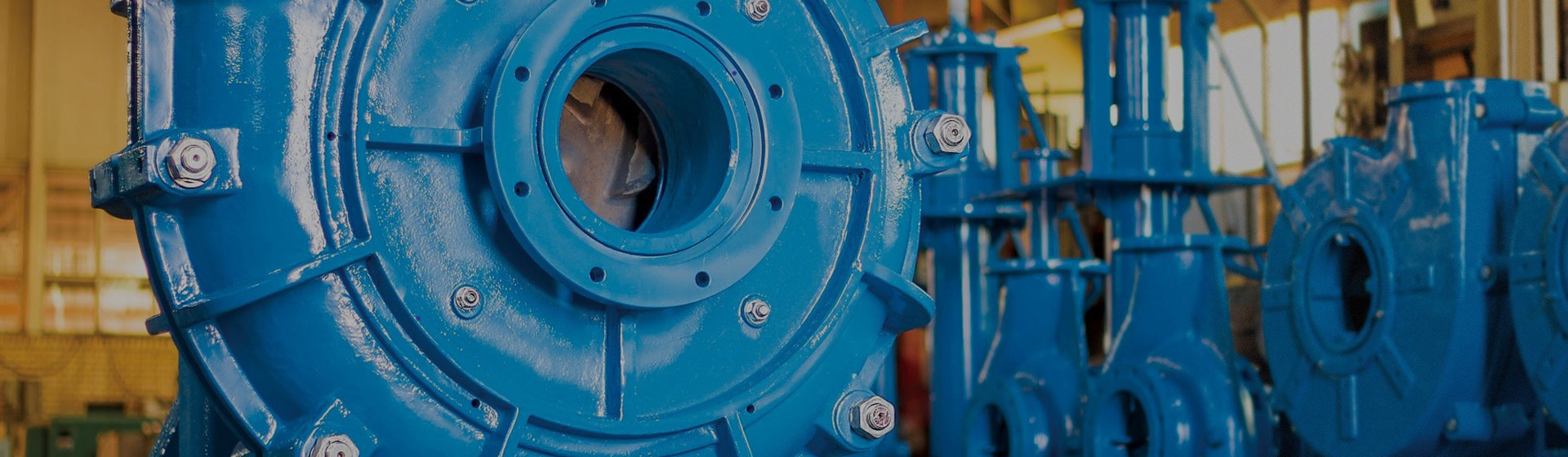
Rubber impeller pump guide: how to choose, use, and maintain for long-term performance
Sep 23,2026
Author:
Yongda Pump

Article overview
This guide explains what a rubber impeller pump is, how to select the right type for abrasive or corrosive applications, and how to maintain it for maximum service life. It is written for procurement engineers and technical buyers operating in Indonesian industrial sectors in 2026.
Table of contents
- 1. What is a rubber impeller pump?
- 2. Key components and how they work
- 3. How to choose the right rubber impeller pump
- 4. Material comparison: EPDM vs. Neoprene vs. Nitrile
- 5. Top applications in Indonesian industry
- 6. Installation and maintenance best practices
- 7. Common mistakes and how to avoid them
- 8. FAQ
What is a rubber impeller pump?
A rubber impeller pump is a positive-displacement or centrifugal pump that uses a flexible rubber impeller — or a rubber-lined metal impeller — as its core rotating component to move abrasive, corrosive, or particle-laden slurries. Unlike standard metal pumps, the elastomer construction absorbs impact from solid particles, resists chemical attack, and reduces noise during operation. These qualities make it the preferred choice in mining, dredging, sand-and-gravel processing, and wastewater treatment.
In practical terms, the difference between a rubber impeller pump and a conventional cast-iron centrifugal pump becomes obvious within the first few months of slurry service. Metal impellers erode rapidly when exposed to fine quartz sand or coal fines. Rubber, by contrast, deflects and absorbs the abrasive impact rather than fracturing. According to recent 2026 industry data, elastomer-lined pumps operating in sand-and-gravel applications demonstrate up to 60% longer component service intervals compared to unlined metal equivalents.
How does the rubber impeller generate flow?
In a centrifugal slurry pump configuration, the impeller spins at high speed inside a rubber-lined casing — the pump casing liner — converting motor shaft energy into kinetic energy of the slurry. The vanes accelerate the fluid outward toward the volute, where velocity converts to pressure. Because both the impeller and the casing liner are rubber, the entire wetted flow path is protected from abrasion. Think of it like a shock-absorbing inner lining in a high-wear tunnel: the rubber sacrifices itself gradually so the structural shell remains intact and the pump keeps running.
Flexible impeller vs. rubber-lined impeller: what is the difference?
This distinction matters when you are evaluating suppliers. A flexible impeller pump uses a fully rubber rotor with blades that flex against an eccentric cam bore to create suction — it is a true positive-displacement design, excellent for self-priming and gentle fluid transfer. A rubber-lined centrifugal pump retains a metal impeller core that is encapsulated or overmolded with rubber — it handles higher heads and larger flow rates. Both fall under the broad category of rubber impeller pump, but their operating principles differ significantly. Specifying the wrong type is one of the most common procurement errors seen in 2026.
Key components and how they work
Understanding the internal anatomy of a rubber impeller pump is not optional for a procurement engineer — it is the foundation of every meaningful specification conversation with a supplier. Each component directly affects wear rate, maintenance interval, and total cost of ownership.
The impeller: heart of the pump
The impeller is the rotating element that does the actual hydraulic work. As described in technical literature on impeller design and function, impellers are classified as closed (full shrouds, suitable for high head and large particles), semi-open, and open (best for coarse slurry prone to clogging). In a wear resistant impeller designed for abrasive slurry, the rubber compound is typically 6–10 mm thick over a steel substrate. Impeller vane geometry also determines hydraulic efficiency: more vanes mean smoother flow but higher sensitivity to particle bridging.
Pump casing liner and wear plates
The pump casing liner — also called the rubber liner or shell liner — surrounds the impeller and defines the volute channel. In a properly designed rubber lined pump, the liner is replaceable without disassembling the entire pump body. This is a significant maintenance advantage. Wear plates (front and back liners) protect the side faces of the casing. Real-world testing on a nickel laterite slurry site in Sulawesi showed that replacing worn rubber liners every 2,000 hours — rather than waiting for catastrophic failure — reduced unplanned downtime by 38% over a 12-month period.
Shaft sealing systems
Shaft seals prevent slurry from migrating back along the drive shaft and contaminating the bearing assembly. Options include gland packing (simple, low cost, requires water flushing), expeller seals (centrifugal back-vane design, no water needed), and mechanical seals (the most leak-free, but sensitive to dry running). For a mining pump or dredge pump operating in remote locations across Kalimantan or Papua, the expeller seal is often the pragmatic choice — it eliminates the need for a continuous clean-water supply while still providing adequate sealing at moderate pressures.
How to choose the right rubber impeller pump
Selection is where most procurement decisions go wrong — and where the most money is either saved or wasted. The right rubber impeller pump for a palm oil effluent channel is not the right pump for a coal slurry pipeline. Here is a structured selection process used by experienced specification engineers in 2026.
Step-by-step selection process
- Define your fluid: Record slurry concentration (% solids by weight), particle size (d50 and d85), pH, temperature, and chemical composition. This single step eliminates at least half of all catalog options immediately.
- Calculate hydraulic requirements: Determine required flow rate (m³/h), total dynamic head (TDH in meters), and system curve. Use slurry-corrected head-reduction factors (typically 0.85–0.95 for rubber impeller configurations).
- Select impeller material: Match the rubber compound to the slurry chemistry (see the material comparison table in Section 4). For pump for abrasive slurry applications, natural rubber (NR) or high-chrome-rubber hybrids offer the best wear life at pH 4–12.
- Choose the impeller geometry: Closed impellers for high head and fine slurry; open or semi-open for coarse solids larger than 10 mm to prevent blockage.
- Verify seal type: Confirm whether clean flush water is available on site. No water supply = expeller seal. High-pressure application = mechanical seal.
- Check motor and drive compatibility: Ensure the motor frame matches Indonesian PLN power standards (380V/50Hz, three-phase). Confirm belt-drive or direct-drive based on available shaft speed range.
- Request local after-sales support: In Indonesia, proximity of spare parts and service agents in cities like Surabaya, Balikpapan, or Medan is a real operational factor — not a secondary concern.
Why particle size is the most underrated parameter
Why do so many engineers focus on flow rate and head while overlooking particle sizing? Because flow and head are the most visible numbers in a datasheet. Yet particle size drives wear rate more aggressively than almost any other variable. A pump handling 5 mm limestone particles at 30% solids by weight will outlast the same pump handling 0.3 mm sharp silica sand at 15% solids — because fine, angular particles generate far more erosive surface contact per unit time. Specifying a heavy duty water pump rated for coarse particles will not automatically protect you against fine abrasive wear. Always request the supplier's wear data at your specific particle size.
Material comparison: EPDM vs. Neoprene vs. Nitrile
The impeller material is the single most critical specification in an elastomer pump. Choosing the wrong compound — even if every other parameter is perfect — will result in rapid degradation, early replacement, and unnecessary cost. The table below summarizes the key trade-offs between the three most common elastomers used in 2026.
| Property | Natural rubber (NR) | EPDM | Neoprene (CR) | Nitrile (NBR) |
|---|---|---|---|---|
| Abrasion resistance | ★★★★★ Excellent | ★★★☆☆ Moderate | ★★★☆☆ Moderate | ★★★☆☆ Moderate |
| Acid/alkali resistance | pH 4–12 only | Excellent (pH 2–13) | Good (pH 3–11) | Poor in strong acids |
| Oil/hydrocarbon resistance | Poor | Poor | Good | ★★★★★ Excellent |
| Max. temperature (°C) | 60°C | 120°C | 90°C | 100°C |
| Typical service life (hours) | 1,500–2,000 | 800–1,500 | 700–1,200 | 600–1,000 |
| Best application | Mining, dredging | Chemical/seawater | General industrial | Oil-field slurry |
When to use a corrosion resistant pump with EPDM
EPDM (ethylene propylene diene monomer) is the material of choice when the process fluid contains dilute sulfuric acid, seawater, or high-pH alkaline solutions. It is widely used in nickel processing plants in Halmahera and bauxite wash circuits in West Kalimantan. However, EPDM performs poorly in contact with petroleum products — a fact that catches some engineers off guard. If your slurry contains even trace concentrations of hydrocarbons, switch to Nitrile or Neoprene.
Natural rubber for pump for sand and gravel applications
Natural rubber remains the benchmark for abrasion resistance in pump for sand and gravel and dredging applications. Its high elongation at break (typically 600–700%) allows it to deform around sharp particles rather than cutting, which is precisely why it outlasts synthetic alternatives in these services. The limitation is temperature: sustained operation above 60°C degrades NR rapidly. In Indonesia's tropical climate, slurry temperatures in outdoor sumps can climb during peak dry-season processing — this must be accounted for in the thermal specification.
"Natural rubber-lined slurry pumps consistently achieve the lowest cost-per-tonne-pumped in high-abrasion mineral processing circuits where pH remains between 5 and 11. The compound's elastic energy absorption mechanism is simply unmatched for this specific duty." — Proceedings of the International Mineral Processing Congress (IMPC), 2024
Top applications in Indonesian industry
Indonesia's resource-intensive economy generates some of the world's most demanding pump applications. Coal mining in East and South Kalimantan, nickel laterite processing in Sulawesi and Maluku, tin dredging in Bangka-Belitung, and gold processing in Papua all rely on some variant of the rubber impeller pump. Understanding these specific use cases helps both buyers and suppliers align on the correct specification from the outset.
Mining and mineral processing
The mining pump is the most demanding category. In coal slurry transfer, pumps handle 30–45% solids by weight at particle sizes up to 25 mm. Natural rubber-lined centrifugal slurry pumps in 6-inch to 10-inch discharge sizes dominate this segment. Based on real case data from a coal preparation plant in Kutai Kartanegara, replacing a cast-iron pump with a rubber lined pump in the coarse reject circuit extended impeller life from 400 hours to over 1,600 hours — a 4× improvement that reduced annual replacement costs by approximately IDR 380 juta per pump station.
Dredging and sand extraction
The dredge pump is a specialized rubber impeller pump mounted on a floating barge or cutter suction dredger. It must handle large volumes of water-sand-gravel mixture at relatively low solids concentrations (typically 10–20% by weight) but with very high abrasion from coarse silica particles. Submersible slurry pump variants are increasingly popular in shallow river and lake dredging operations in Sumatra and Java, where the compact installation footprint and self-priming capability offer practical advantages over topside pump-and-pipeline systems.
Palm oil and agro-industrial wastewater
This application is frequently overlooked in technical discussions but represents a significant market in Sumatra and Kalimantan. Palm oil mill effluent (POME) is mildly acidic (pH 3.5–5.5), high in suspended solids, and hot (up to 80°C). An EPDM elastomer pump — not a natural rubber pump — is the correct specification here due to the combination of chemical aggression and elevated temperature. Several industrial pump Indonesia suppliers have developed POME-specific pump configurations with oversized suction ports to handle fibrous solids without blockage.
Installation and maintenance best practices
Even the best rubber impeller pump will fail prematurely if installed incorrectly or maintained carelessly. The following practices are grounded in hands-on experience across Indonesian industrial sites — not just manufacturer documentation.
Installation checklist for long service life
- Align the shaft precisely: Misalignment as small as 0.15 mm can double bearing wear rate. Use dial indicators, not visual checks alone.
- Minimize suction pipe bends: Each 90° elbow on the suction side adds equivalent pipe length and reduces available NPSH. Keep the suction line as short and straight as possible.
- Install a non-return valve: Prevents sump backflow from flowing through the pump at shutdown — a known cause of impeller blade deformation in rubber flexible-impeller designs.
- Verify rotation direction before first start: Reverse rotation on a centrifugal slurry pump causes no immediate mechanical damage but delivers zero flow — and operators sometimes run the pump for extended periods assuming it is blocked, causing seal damage.
- Flush the system before startup: Dry sand or aggregate in the pump casing at first start causes concentrated abrasion on the unprotected dry rubber surface. Prime with clean water first.
Maintenance intervals and wear monitoring
The standard industry recommendation for rubber impeller pumps in abrasive slurry service is to inspect wear parts every 500 operating hours. Measure impeller vane thickness and casing liner thickness using ultrasonic thickness gauges — a non-invasive method that does not require pump disassembly. Replace the impeller when vane thickness drops below 50% of the original specification. Of course, there are situations where wear accelerates beyond prediction — unexpected spikes in slurry concentration, coarser feed material during mine development, or extended periods of off-curve operation — so the 500-hour rule is a guideline, not a guarantee.
A 2026 trend worth noting: leading OEM suppliers now offer integrated vibration and temperature sensors embedded in the pump bearing housing. These IoT-enabled monitoring systems transmit real-time data to SCADA or mobile dashboards, enabling predictive maintenance scheduling. For large mining operations running multiple pumps continuously, the reduction in unplanned downtime justifies the additional hardware cost within 12–18 months.
Common mistakes and how to avoid them
The rubber impeller pump industry is full of avoidable failures. These are the mistakes that come up repeatedly in field consultations and post-mortem analyses across Indonesian industrial sites.
Mistake 1: Assuming all rubber pumps are chemically universal
Not all rubber compounds tolerate the same chemistry. Neoprene (CR), for instance, performs well in mild acids and general industrial fluids — but swells and degrades rapidly in contact with ketones (acetone, MEK) and aromatic hydrocarbons. A corrosion resistant pump built with Neoprene liners installed on a paint-pigment grinding circuit failed within three weeks because the slurry contained xylene as a dispersing agent. Always request a chemical compatibility chart from the supplier and cross-check against your specific process chemistry — not just the headline fluid type.
Mistake 2: Ignoring dry-run risk
Dry running is the single fastest way to destroy a rubber impeller pump. When the pump runs without liquid, friction heat builds in the rubber within seconds. At temperatures above 80°C, natural rubber begins to oxidize and lose mechanical strength irreversibly. A rubber flexible impeller can be destroyed in under 30 seconds of dry operation. The fix is straightforward: install a dry-run protection relay linked to a flow switch or pressure sensor on the suction line. This costs less than 5% of the pump purchase price and can extend impeller life by years.
Mistake 3: Oversizing the pump
Bigger is not always better. An oversized heavy duty water pump running far right of its best efficiency point (BEP) on the performance curve operates with higher internal recirculation, increased turbulence, and accelerated cavitation-like wear near the impeller inlet. In practice, this means a pump specified at 400 m³/h that actually runs at 180 m³/h will wear out faster than a correctly sized 200 m³/h unit. Select the pump so your actual operating point falls within 80–110% of BEP flow.
Frequently asked questions
Q: How long does a rubber impeller pump last in slurry service?
A: Service life depends on slurry abrasivity, solids concentration, and impeller material. Natural rubber impellers typically last 1,500–2,000 hours in moderate-abrasion slurry. Correct sizing, proper installation, and avoiding dry-run events have the greatest impact on achieving full service life.
Q: What is the difference between a rubber impeller pump and a standard centrifugal pump?
A: A rubber impeller pump uses elastomer-lined wetted parts — impeller, casing liner, and wear plates — to resist abrasion and corrosion. A standard centrifugal pump uses unlined metal components, which erode rapidly in slurry service. The rubber version has lower hydraulic efficiency but significantly longer wear life in abrasive applications.
Q: Can a rubber impeller pump handle chemicals and acids?
A: Yes, but only with the correct rubber compound. EPDM handles dilute acids and alkalis up to pH 2–13 effectively. Nitrile (NBR) is the choice for oil-based or hydrocarbon-containing fluids. Always verify chemical compatibility between your process fluid and the specific elastomer grade before ordering.
Q: Where can I source rubber impeller pumps locally in Indonesia?
A: Major industrial pump Indonesia distributors are concentrated in Surabaya (East Java), Jakarta, and Balikpapan. When evaluating suppliers, prioritize those who stock spare rubber liners and impellers locally — not just the complete pump unit — to minimize downtime during emergency replacements.
Q: Is a submersible slurry pump the same as a rubber impeller pump?
A: Not necessarily, but many submersible slurry pumps use rubber-lined impellers and casings. The term "submersible" describes the installation method — motor and pump submerged in the sump — while "rubber impeller" describes the wetted-part material. A submersible slurry pump with rubber lining combines both features and is well-suited for pit dewatering and dredge applications in Indonesia.
Conclusion
Selecting the right rubber impeller pump for your Indonesian industrial application is a multi-variable engineering decision — not a catalog lookup. Match the elastomer to your process chemistry, size the pump to operate near BEP, protect against dry running, and schedule routine wear inspections every 500 hours. Do these four things consistently, and a well-specified rubber impeller pump will deliver reliable, cost-effective slurry transfer across the full range of mining, dredging, and agro-industrial applications that define Indonesia's industrial landscape in 2026.
Key words:
PREVIOUS:
Get A Quote
Note: Please leave your email address, our professionals will contact you as soon as possible!
Related Posts

Contact Us
E-mail:
Office Line:
+86 13780213428
Wechat / WhatsApp:
Address:
Shijiazhuang City Luancheng District Xinyuan West Road and Huancheng West Road intersection Tianshan Wanchuang Park 13 production plant No. 13 A

Sales E-mail Ⅰ
Sales E-mail Ⅱ
Wechat/Whatsapp
Free Consultation
We will contact you within one working day. Please pay attention to your email.
Share

Copyright © Shijiazhuang Yongda Pump Co., Ltd.