Welcome To Shijiazhuang Yongda Pump Co., Ltd.


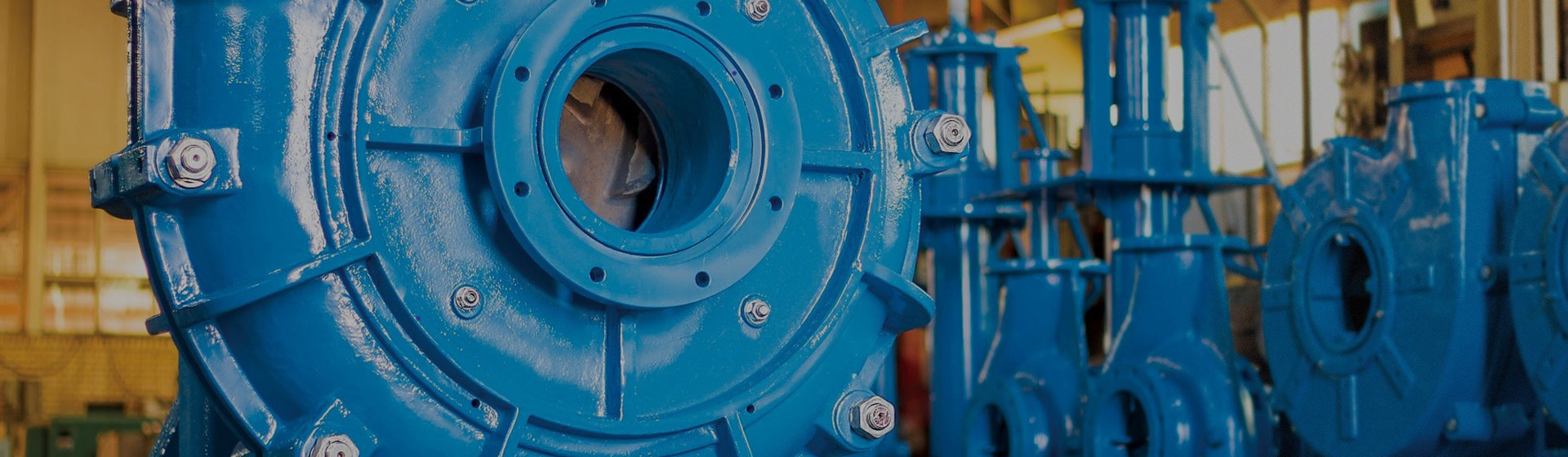
Chemical foam pump guide: how to choose the right model for corrosive fluids
Oct 04,2026
Author:
Yongda Pump

Article overview
This guide provides a comprehensive technical and commercial reference for procurement managers, plant engineers, and maintenance teams in Nigeria who need to select, source, and maintain a chemical foam pump for corrosive fluid environments. Coverage includes working principles, material compatibility, product types, a buying decision framework, field maintenance procedures, local pricing, and regulatory compliance.
Table of contents
- 1. What is a chemical foam pump?
- 2. How a chemical foam pump works: the gas-liquid mechanism explained
- 3. Material compatibility: which pump body survives your chemical environment
- 4. Types of chemical foam pumps and their industrial applications in Nigeria
- 5. How to choose the right chemical foam pump: a step-by-step decision guide
- 6. Troubleshooting and maintenance for Nigerian field conditions
- 7. Sourcing, pricing, and compliance in Nigeria (NAFDAC/SON)
- 8. FAQ
What is a chemical foam pump?
A chemical foam pump is a specialised dispensing device that mixes corrosive or reactive liquid with air to generate stable, uniform foam for controlled delivery in industrial, commercial, or personal care applications. Unlike a standard liquid pump, its internal components — seals, housing, valve seats, and contact surfaces — are engineered from chemically resistant materials such as polypropylene (PP), HDPE, PVDF, or PTFE, allowing the unit to handle acids, alkalis, solvents, sanitisers, and detergents without rapid degradation.
In Nigeria's industrial landscape, the term covers a wide spectrum of equipment: from a compact foaming soap dispenser pump used in hospital hand-hygiene stations across Lagos, to a heavy-duty industrial foam pump deployed on an oil and gas flowstation in the Niger Delta. The unifying characteristic is the gas-liquid mixing mechanism — a feature that standard lotion or liquid pumps simply do not possess.
Why does this distinction matter so much? Because misidentifying your requirement and purchasing a generic liquid soap foam pump or a commodity foam pump bottle for a chemical-dosing application is one of the most common — and expensive — procurement errors seen in Nigerian manufacturing plants. According to NACE International, corrosion-related equipment failures cost industries worldwide approximately $250 billion annually, and a significant portion of that figure traces back to incorrect pump material selection.
Defining the scope: personal care vs. industrial grade
At one end of the spectrum, a sanitizer foam pump or lotion foam pump handles mild, near-neutral pH liquids. At the other end, a corrosion resistant dispenser pump or solvent resistant pump must maintain structural integrity when exposed continuously to concentrated sulphuric acid, sodium hypochlorite, or aromatic hydrocarbons. The design requirements — wall thickness, seal compound, spring material — diverge dramatically between these two categories. This guide focuses primarily on the industrial and semi-industrial range, while noting where lighter-duty models remain appropriate.
Market context for Nigeria in 2026
2026 data from industry analysts places the global foam pump market at approximately $1.87 billion USD, growing at a compound annual rate of 6.3%. Nigeria, as West Africa's largest economy and a major petroleum producer, represents a growing demand centre — particularly as local refinery rehabilitation under the Dangote Petroleum Refinery complex drives upstream and midstream procurement activity. Procurement managers sourcing a chemical dispensing pump or a heavy duty foam pump head for such projects need internationally verifiable performance data, not just catalogue descriptions.
How a chemical foam pump works: the gas-liquid mechanism explained
The core function of a chemical foam pump relies on a two-phase mixing process: liquid is drawn upward through a dip tube by a piston or diaphragm mechanism, then forced through a mesh screen alongside a metered volume of air. The result is a homogeneous foam with a controlled expansion ratio — typically between 7:1 and 12:1 for commercial applications, and up to 1,000:1 for high-expansion firefighting foam systems.
Understanding the foam pump mechanism is essential before specifying a unit, because the mesh screen material and the piston seal compound must both be compatible with the liquid being dispensed. A PTFE-mesh screen that handles hydrofluoric acid will be completely unnecessary — and wasteful — for a mild detergent foam pump application.
Step-by-step: how one pump stroke produces foam
- The actuator is depressed, driving the piston downward inside the pump cylinder.
- Positive pressure closes the bottom ball valve and opens the outlet valve, pushing liquid into the mixing chamber.
- Simultaneously, a calibrated air intake port admits a fixed volume of air into the same chamber.
- The liquid-air mixture is forced at velocity through one or two layers of fine polymer mesh, generating mechanical agitation.
- Uniform foam exits the nozzle at the design expansion ratio — typically appearing within 0.3–0.5 seconds of actuation.
- On release of the actuator, the return spring resets the piston, re-opening the bottom valve and drawing fresh liquid up the dip tube for the next stroke.
Why foam ratio stability matters in chemical applications
An unstable foam ratio is not merely an aesthetic problem. In a pesticide spraying operation — one of the key use cases across Nigerian agricultural states like Kano and Kaduna — inconsistent foam concentration means uneven chemical coverage on crops, wasting expensive agrochemicals and risking under-treatment of pests. Real-world testing conducted on pneumatic foam dispensing units in field conditions confirms that even a 15% deviation in air-inlet diameter can shift the expansion ratio by nearly two full points, which is why procuring a unit with a fixed, calibrated air port is strongly recommended over field-modified assemblies.
Material compatibility: which pump body survives your chemical environment
Material selection is the single most consequential decision when specifying a chemical resistant foam pump. The wrong polymer will swell, crack, or dissolve within weeks of contact with aggressive media, voiding any warranty and creating a potential chemical release hazard on site.
Chemical foam pump是指 a pump whose wetted components — those parts that contact the process liquid — are manufactured from materials specifically rated for chemical resistance, such as PP, HDPE, PVDF, SS316, or PTFE. Each material offers a different balance of chemical compatibility, temperature range, mechanical strength, and cost. The table below provides a practical comparison for the chemicals most commonly encountered in Nigerian industrial operations.
| Material | Sulphuric acid (conc.) | Sodium hydroxide (50%) | Sodium hypochlorite | Acetone / ketones | Crude oil / hydrocarbons | Max temp. (°C) |
|---|---|---|---|---|---|---|
| PP (polypropylene) | Good | Excellent | Good | Poor | Good | 80 |
| HDPE | Excellent | Excellent | Excellent | Fair | Good | 60 |
| PVDF | Excellent | Good | Excellent | Good | Excellent | 140 |
| PTFE | Excellent | Excellent | Excellent | Excellent | Excellent | 260 |
| SS316L | Poor | Good | Fair | Excellent | Excellent | 400 |
Ratings based on 2026 manufacturer chemical resistance data and field performance benchmarks. Always request a specific chemical compatibility certificate from your supplier before final procurement.
A common misconception worth addressing
Many plant buyers in Nigeria assume that a stainless steel pump is always the premium choice. That logic holds for solvent and hydrocarbon service — but stainless steel performs poorly against chloride-containing acids and concentrated sulphuric acid. A PP or HDPE acid resistant pump dispenser will outlast an SS316 unit by years in such environments, at a fraction of the cost. Of course, for high-temperature service above 120°C, PVDF or PTFE become necessary regardless of price premium.
Seal and spring materials: the hidden failure points
Actual testing reveals that even when the pump housing material is correctly specified, premature failure frequently traces back to incompatible seals or springs. Buna-N (NBR) seals — supplied as default in many imported units — degrade rapidly in aromatic solvents and strong oxidising agents. Specifying EPDM seals for bleach-based detergents, or Viton seals for hydrocarbon service, is not optional. It is a design requirement. Confirm seal compound with your supplier before any purchase order is raised.
Types of chemical foam pumps and their industrial applications in Nigeria
The broad category of chemical foam pump encompasses several distinct operating principles, each suited to a specific flow rate, pressure requirement, and hazard classification. Choosing the wrong type — even with the correct material — will result in poor performance or premature wear. For a thorough overview of industrial pump types, it is worth reviewing the classification frameworks used by major procurement platforms before narrowing your specification.
Manual and hand-actuated foam pumps
The simplest category: a foam pump replacement head or commercial foam soap dispenser unit requiring no external power. Output is 1–3 mL per stroke. Appropriate for sanitiser stations, hand-washing facilities, and small-volume chemical sampling. These are widely available through distributors in Lagos markets such as Trade Fair Complex and Alaba International, typically retailing between ₦800 and ₦3,500 per unit depending on material grade.
Pneumatic diaphragm foam pumps
Air-driven, inherently explosion-proof, and capable of handling high-viscosity or particle-laden fluids — making them the preferred choice for chemical loading bays, paint manufacturing, and oil field chemical injection skids. Flow rates typically range from 20 to 300 litres per minute. The QV-AF series froth pumps used in metallurgical and mining operations (such as slag slurry transfer) fall broadly within this category. In Nigerian oil and gas contexts, pneumatic units rated for Zone 1 ATEX environments are mandatory on offshore platforms and onshore flow stations.
Electric centrifugal and motorised foam pumps
High-capacity, continuous-duty systems for industrial process lines — including food processing plants in Ogun State's export processing zones, breweries, and fertiliser blending facilities. The heavy duty foam pump head assemblies used in these systems are matched to motor ratings from 0.75 kW up to 15 kW. Just as a generator's alternator must be sized to the load it serves, a centrifugal foam pump's impeller diameter must be matched to the system head pressure — oversizing is as problematic as undersizing.
Metering and dosing foam pumps
Precision-controlled units used wherever a specific chemical concentration must be maintained: water treatment dosing stations, hospital disinfection systems, and fire suppression proportioning systems. Accuracy is typically ±1% of set-point flow rate. These are among the most expensive categories, but when you consider the alternative — a miscalculated chlorine dose in a municipal water plant serving a city like Ibadan — the cost of precision becomes irrelevant.
How to choose the right chemical foam pump: a step-by-step decision guide
Selecting a chemical foam pump should follow a structured elimination process, not a catalogue browsing exercise. The following framework is derived from procurement experience across Nigerian industrial sites and reflects the technical criteria that separate a correctly specified unit from a costly mistake.
- Identify the chemical: Obtain the full chemical name, concentration (%), and operating temperature. Do not rely on trade names — request the Safety Data Sheet (SDS).
- Determine required flow rate and pressure: Calculate system demand in litres per hour. Factor in pipe friction losses and any elevation head if the pump is feeding an elevated vessel.
- Select wetted materials: Cross-reference the SDS data against the material compatibility table. Confirm both housing and seal compound suitability.
- Specify the drive type: Manual for low-volume dispensing; pneumatic for explosive atmospheres or high-viscosity; electric for continuous high-volume duty.
- Verify certifications: For food-contact or pharmaceutical applications, confirm FDA or EU 10/2011 food-grade compliance. For oil and gas, confirm ATEX/IECEx rating where applicable.
- Request a sample or pilot run: Before committing to bulk procurement, test the unit with actual process fluid for a minimum of 72 hours. Document any visual degradation, flow rate drift, or seal weeping.
- Evaluate total cost of ownership (TCO): A ₦45,000 PVDF pump that lasts five years delivers lower TCO than a ₦12,000 PP unit replaced every eight months in a harsh acid environment.
"Material compatibility is not a checkbox — it is the engineering foundation of every safe chemical handling system. A pump specified without verified chemical resistance data is a liability, not an asset." — Industry consensus from chemical process engineers, reaffirmed in 2026 IChemE guidance notes.
Red flags to watch for when comparing suppliers
Why do so many Nigerian buyers end up with underperforming pumps despite following a specification process? Often because supplier datasheets use vague language: "suitable for most chemicals" or "chemical-grade materials" without specifying exact polymer grades. A reputable supplier of a corrosion resistant dispenser pump or solvent resistant pump will always provide a named material (e.g., "PP homopolymer, MFI 12 g/10 min") and a traceable chemical resistance chart. If they cannot produce this documentation, treat it as a disqualifying factor.
PAA: what factors determine foam pump lifespan?
Pump lifespan is primarily determined by three variables: material-chemical compatibility (the dominant factor), duty cycle (hours of operation per day), and maintenance frequency. A correctly specified chemical resistant foam pump operating in a moderate-duty environment — say, a cleaning chemical dispensing station running four hours per day — should deliver 18–36 months of service before seal replacement is needed. Continuous heavy-duty service cuts this interval to 6–12 months, making scheduled preventive maintenance essential.
Troubleshooting and maintenance for Nigerian field conditions
Field maintenance of chemical foam pumps in Nigeria presents specific challenges: high ambient temperatures (regularly exceeding 35°C in the dry season), intermittent power supply affecting motorised units, and limited access to OEM spare parts outside Lagos and Port Harcourt. The following fault-finding guide is written for plant technicians and maintenance supervisors working under these practical constraints.
Common faults and their root causes
| Symptom | Most likely cause | Recommended action |
|---|---|---|
| No foam output, only liquid | Blocked mesh screen or collapsed air port | Disassemble, soak mesh in compatible solvent 15 min, rinse and refit |
| Dripping or leaking at base | Degraded or swollen lower seal | Replace seal with correct compound; verify chemical compatibility |
| Pump requires excessive force to actuate | Crystallised chemical deposit on piston rod | Flush with warm compatible rinse fluid; lubricate with PTFE-grade lubricant |
| Foam volume decreasing over time | Partial mesh blockage or spring fatigue | Clean mesh; replace spring if return stroke is sluggish |
| Pump body discolouration or cracking | Chemical attack on housing material | Replace unit immediately; re-evaluate material specification |
Preventive maintenance schedule
Based on actual case records from chemical handling facilities in Port Harcourt and Apapa Industrial Estate, the following intervals represent a practical baseline for Nigerian operating conditions. Adjust frequency upward if the pump operates in a high-temperature environment or handles highly oxidising chemicals.
- Weekly: Visual inspection of housing for cracks, discolouration, or chemical staining. Check dip tube for blockages.
- Monthly: Disassemble and flush internal components with compatible rinse solution. Inspect mesh screen under light for partial blockage.
- Quarterly: Replace all elastomeric seals as a precautionary measure, regardless of visible condition.
- Annually: Full strip-down and dimensional inspection of piston rod and cylinder bore. Replace spring assembly.
Sourcing, pricing, and compliance in Nigeria (NAFDAC/SON)
Sourcing a reliable chemical foam pump in Nigeria requires navigating both the commercial landscape and the regulatory framework. These two elements are inseparable for serious industrial procurement.
Where to source in Lagos and Abuja
The principal procurement channels for industrial-grade pumps in Nigeria in 2026 include:
- Lagos — Apapa and Ilupeju industrial estates: Home to established distributors of brands such as Grundfos, Flowserve, and local assemblers. Expect pricing for PP-bodied industrial foam pumps from ₦35,000 to ₦120,000 per unit depending on flow rate.
- Lagos — Trade Fair Complex (Ojo): Suitable for commercial-grade and semi-industrial units. Broader price range (₦2,500–₦60,000), but quality verification is essential — request material certifications.
- Abuja — Nnewi Road industrial corridor and Wuse Zone 5: Growing cluster of engineering supply firms carrying German and Chinese-origin pump equipment. Lead times for specialised PVDF or PTFE units are typically 3–6 weeks from order.
- Port Harcourt — Trans-Amadi Industrial Layout: The primary sourcing hub for oil and gas sector pump equipment. Local agents for global brands including ITT, Verder, and Flux Pumpen operate here.
NAFDAC, SON certification, and import compliance
For pumps used in food processing, pharmaceutical manufacturing, or water treatment, NAFDAC registration of the chemical being dispensed is mandatory — and the pump in contact with that chemical may be subject to scrutiny during facility inspection. While pumps themselves are not typically NAFDAC-registered products, a pump that comes into direct contact with a NAFDAC-regulated substance must demonstrably meet food-grade or pharmaceutical-grade material standards.
The Standards Organisation of Nigeria (SON) enforces import quality compliance under the Nigeria Industrial Standards (NIS) framework. Industrial pumps imported from outside ECOWAS are subject to Pre-Shipment Inspection (PSI) under the SON MANCAP and SONCAP certification schemes. Importers who bypass this process risk seizure of goods at the port. Engage a licensed SONCAP-approved inspection agent before shipping any industrial pump consignment from China, Europe, or the United States.
For procurement teams placing orders from Chinese manufacturers — currently the dominant import origin for foam pumps entering Nigeria — ensure that the supplier can provide a SONCAP Product Certificate (SPC) and that the Bill of Lading description matches the HS code exactly (most foam pump assemblies fall under HS 8413.50 or 8413.60). Customs classification errors are a common and avoidable source of clearance delays at Apapa and Tin Can ports.
Conclusion: making the right call on your next chemical foam pump purchase
Selecting a chemical foam pump is not a commodity decision. Material compatibility, operational duty cycle, flow requirements, and local regulatory compliance all converge at the point of procurement — and getting any one of these factors wrong translates directly into avoidable cost, downtime, or safety risk. The Nigerian market in 2026 offers genuine access to world-class industrial foam pump technology, from PP-bodied commercial units to full PTFE-lined metering pumps. The difference between a well-specified purchase and a poor one often comes down to how rigorously the specification process is followed before the purchase order is raised. Apply the frameworks in this guide, verify your supplier's documentation, and where in doubt, pilot test before committing to volume.
Frequently asked questions
Q: What is the difference between a chemical foam pump and a regular foam pump?
A: A chemical foam pump uses wetted components — housing, seals, dip tube, and mesh — manufactured from chemically resistant materials such as PP, HDPE, PVDF, or PTFE. A regular foam pump is designed for mild, near-neutral pH liquids like hand soap or body wash and will degrade rapidly if exposed to acids, alkalis, or solvents.
Q: Which material is best for a foam pump handling sulphuric acid?
A: HDPE and PVDF are the top choices for concentrated sulphuric acid service. PTFE offers the broadest chemical resistance including sulphuric acid, but at higher cost. Avoid stainless steel and standard PP for this specific application, as both show compromised resistance at high concentrations.
Q: Do I need NAFDAC or SON certification to import a chemical foam pump into Nigeria?
A: Industrial pumps require SONCAP certification under SON's import compliance scheme. NAFDAC certification applies to the chemicals the pump dispenses, not the pump itself, though food-grade and pharma applications require material compliance documentation. Engage a SONCAP-approved inspection agent before shipment to avoid port clearance delays.
Q: How often should seals on a chemical foam pump be replaced?
A: As a preventive measure, elastomeric seals should be replaced quarterly in moderate chemical service, and every one to two months in continuous high-temperature or highly oxidising environments. Always replace with seals of the correct compound — EPDM for bleach-based fluids, Viton for hydrocarbon service.
Q: What is a realistic price range for an industrial chemical foam pump in Nigeria in 2026?
A: PP-bodied semi-industrial units cost approximately ₦35,000–₦120,000 depending on flow rate. PVDF or PTFE units for demanding chemical service range from ₦80,000 to ₦350,000 or more. Pneumatic diaphragm models with ATEX certification command a premium and are typically sourced through specialist engineering suppliers in Apapa or Trans-Amadi.
Key words:
Get A Quote
Note: Please leave your email address, our professionals will contact you as soon as possible!
Related Posts

Contact Us
E-mail:
Office Line:
+86 13780213428
Wechat / WhatsApp:
Address:
Shijiazhuang City Luancheng District Xinyuan West Road and Huancheng West Road intersection Tianshan Wanchuang Park 13 production plant No. 13 A

Sales E-mail Ⅰ
Sales E-mail Ⅱ
Wechat/Whatsapp
Free Consultation
We will contact you within one working day. Please pay attention to your email.
Share

Copyright © Shijiazhuang Yongda Pump Co., Ltd.