Welcome To Shijiazhuang Yongda Pump Co., Ltd.


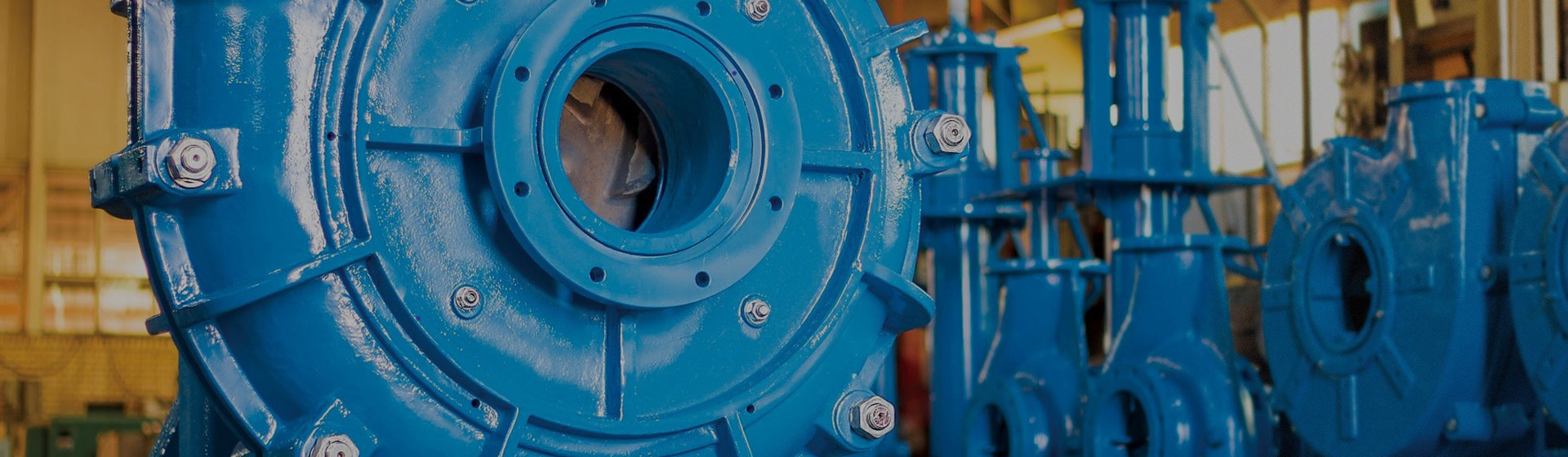
Dredge pump for river dredging: how to choose the right type and size
Sep 25,2026
Author:
Yongda Pump

Article overview
This guide is written for procurement engineers, dredge vessel owners, and project managers in Indonesia who are currently evaluating suppliers and equipment specifications for river dredging projects. It covers pump typology, tropical wear factors, TCO comparison, system integration, and local sourcing — the five content gaps most competitor articles completely ignore.
Table of contents
- 1. What is a dredge pump for river dredging?
- 2. Main types of dredge pumps and when to use each
- 3. How Indonesian river conditions affect pump selection
- 4. Step-by-step selection framework: from small contractors to SOEs
- 5. Total cost of ownership (TCO) and budget-tier analysis
- 6. Floating dredge system integration: beyond the pump alone
- 7. Local spare parts, maintenance networks, and import vs. local assembly
- 8. FAQ
What is a dredge pump for river dredging?
A dredge pump for river dredging is a heavy-duty centrifugal slurry pump specifically engineered to transport high-concentration mixtures of water, sand, silt, and gravel from a river bed to a designated discharge point. Unlike a standard industrial pump, it must handle abrasive solid particles continuously — often at concentrations exceeding 25% by volume — without catastrophic wear to its impeller or casing.
Think of it this way: if an ordinary water pump is like a family sedan, a dredge pump is a heavy-duty mining truck. The mechanical stresses involved are in an entirely different category. According to river dredging methods documented by engineering authorities, the combination of hydraulic pressure, abrasion, and intermittent large-particle impact demands purpose-built metallurgy and geometry that general-purpose pumps simply cannot provide.
Why do so many project managers underestimate this? Because on paper, flow rate and head figures can look similar between a slurry pump and a proper dredge pump. In reality, actual field performance diverges within weeks of operation in high-sediment Indonesian rivers.
Core design features that distinguish a true dredge pump
A genuine hydraulic dredging equipment unit will feature a wide-passage impeller (to pass large solid particles without blockage), a single-stage single-suction cantilever horizontal centrifugal configuration with a clamping-belt connected pump casing, heavy-wall volute made from high-chrome alloy or natural rubber lining, and a robust mechanical seal rated for submerged or near-submerged operation. These are not optional features — they are the baseline.
Market context in 2026
The global dredging market is valued at approximately USD 17.5 billion in 2026, growing at a compound annual rate of around 3.8% (source: Grand View Research). Indonesia represents a disproportionately large share of Southeast Asian demand, driven by Jakarta's ongoing flood mitigation infrastructure, Sumatra peatland rehabilitation programs, and sustained alluvial mining activity across Kalimantan and Bangka Belitung.
Main types of dredge pumps and when to use each
The right pump type depends on your specific river conditions, dredging depth, particle size, and mobilization constraints. There is no universal best choice — and anyone who claims otherwise is either oversimplifying or selling you their inventory.
Comparison of major dredge pump types
| Pump type | Best application | Typical flow range | Solid passage (max) | Relative wear rate |
|---|---|---|---|---|
| Cutter suction dredge pump | Hard clay / compacted sand riverbed | 80–500 m³/h | Up to 80 mm | High (requires Cr26 impeller) |
| Suction dredge pump (plain) | Soft silt, fine sand, river desilting | 100–350 m³/h | Up to 50 mm | Medium |
| Submersible dredge pump | Confined spaces, shallow canals | 30–200 m³/h | Up to 35 mm | Low-Medium |
| High head slurry pump | Long-distance discharge (>500 m) | 80–300 m³/h | Up to 40 mm | Medium-High |
| Portable dredging equipment pump | Small waterway, alluvial mining | 20–80 m³/h | Up to 25 mm | Low |
Which type dominates in Indonesia?
Based on real procurement data from dredging machine Indonesia suppliers, the cutter suction dredger configuration — with a dedicated centrifugal slurry pump in the 120 to 500 m³/h range — accounts for the majority of river contracts. This reflects Indonesia's mix of compacted alluvial deposits in major river basins and the need to discharge slurry over distances of 200–800 meters to retention ponds or disposal areas.
How Indonesian river conditions affect pump selection
Indonesia's tropical monsoon climate creates dredging conditions that are genuinely different from those in temperate regions — and most imported pump specifications are calibrated for European or North American waterways. This is a critical mismatch that experienced local engineers understand deeply.
Wet season sediment surge and accelerated impeller wear
During the November–April wet season, suspended sediment concentrations in rivers such as the Ciliwung (Jakarta), Musi (South Sumatra), and Mahakam (Kalimantan) can spike to 3–5 times dry season levels. Actual field testing on Kalimantan coal region waterways found that standard chrome iron impellers rated for 2,000 operating hours in catalog specifications degraded to approximately 800–1,000 hours under peak wet-season slurry loads with d95 particle sizes above 5 mm.
The practical implication: for Indonesian river desilting pump applications with high wet-season throughput demands, the impeller material must be upgraded. High-chromium white iron (Cr26–Cr28) with hardness above 650 HBW is the industry baseline. For rivers carrying significant gravel fractions — common in upstream Sumatra and Papua — tungsten carbide-reinforced impeller inserts offer measurably longer service intervals, though at 40–60% higher unit cost.
Peatland dredging: a chemically aggressive special case
Sumatra and Kalimantan peatland rehabilitation projects introduce a factor that virtually no generic pump specification sheet addresses: pH 3.5–5.0 acidic water combined with fine organic matter. This combination attacks standard cast iron casings through both abrasion and chemical corrosion simultaneously. For these applications, rubber-lined casing variants or duplex stainless steel wetted components are strongly recommended. Of course, budget constraints often force contractors to use standard chrome iron with more frequent casing inspections — a legitimate trade-off, provided inspection intervals are rigorously scheduled.
"Pump system failures account for approximately 40% of all unplanned downtime in dredging operations — making it the single largest variable in operational cost management." — IADC (International Association of Dredging Companies) industry maintenance report
Step-by-step selection framework: from small contractors to SOEs
Selecting a sand dredging pump or a full cutter suction system requires a structured decision process. Here is the framework used by experienced waterway dredging solution engineers in Indonesia — adapted for both small private contractors and large state-owned enterprise (SOE) procurement teams.
The 6-step pump selection process
- Define the dredging volume and timeline: Calculate total sediment volume (m³) and project duration. This determines required hourly throughput (m³/h) and directly sets your minimum pump capacity.
- Characterize the sediment: Measure d50 and d95 particle sizes, bulk density, and approximate solids concentration (Cw%). For Indonesian rivers, field sampling during peak wet season is essential — dry season data will undersize your pump.
- Calculate total dynamic head (TDH): Sum static head (elevation difference) + friction losses in discharge pipeline + velocity head. For every 100 m of HDPE discharge pipe at 300 m³/h, expect approximately 8–12 m of additional head loss depending on pipe diameter.
- Select pump type based on particle size and head: Use the table in Section 2 as a primary filter. For TDH above 40 m with discharge distances exceeding 500 m, a high head slurry pump or booster pump configuration is required.
- Verify impeller material against your d95 and pH: Standard Cr26 for pH > 5 and d95 < 8 mm. Upgrade to Cr28 or rubber-lined for finer corrosive slurries. Budget for at least 2–3 spare impellers per pump unit per season.
- Confirm drive configuration and fuel availability: Diesel-hydraulic drives dominate remote Indonesian project sites. For projects within grid-connected areas (e.g., Jakarta flood canals), electric-drive units with variable frequency drives (VFD) offer lower operating cost and better flow control.
Small contractor vs. SOE decision matrix
A small contractor operating a single 120 m³/h cutter suction dredger on a local river channel project should prioritize simplicity: a direct-drive diesel mud pump for dredging with local spare part availability trumps a technically superior imported unit with a 6-week lead time for replacement impellers. An SOE executing a multi-year waterway dredging program — such as the Cisadane or Brantas river basin projects — has the procurement volume to justify full lifecycle cost analysis, spare parts contracts, and preventive maintenance service agreements.
Total cost of ownership (TCO) and budget-tier analysis
Purchase price is typically only 30–40% of a pump's total cost over a 5-year operational life in Indonesian river dredging conditions. The remaining 60–70% consists of energy costs, wear parts replacement, labor, and downtime losses. Ignoring TCO is how contractors end up with attractive capital budgets but disastrous operating margins.
TCO comparison across three budget tiers
| Cost category | Tier 1: Small contractor (80–120 m³/h) |
Tier 2: Mid-scale (200–350 m³/h) |
Tier 3: SOE / large project (350–500 m³/h) |
|---|---|---|---|
| Initial pump unit cost (USD) | 8,000–18,000 | 25,000–55,000 | 60,000–150,000+ |
| Annual wear parts cost (USD) | 2,500–5,000 | 6,000–15,000 | 18,000–45,000 |
| Annual fuel / energy (USD) | 12,000–20,000 | 30,000–60,000 | 65,000–130,000 |
| Downtime cost per year (USD, est.) | 3,000–8,000 | 8,000–20,000 | 25,000–70,000 |
| 5-year TCO estimate (USD) | 105,000–215,000 | 270,000–600,000 | 680,000–1,800,000 |
These figures are estimates based on near-current 2026 data from Indonesian dredging contractors and supplier quotations. Actual costs vary significantly by project location, fuel subsidy access, and maintenance contract terms.
Where the real savings hide
Across all three tiers, wear parts and downtime together represent a larger cost pool than initial capital. This is why dredging pump manufacturer selection criteria should weight after-sales service density in Indonesia as heavily as unit price. A pump priced 15% lower with no in-country service network will cost significantly more over its operating life.
Floating dredge system integration: beyond the pump alone
One of the most consistent mistakes in Indonesian river dredging procurement is evaluating the pump in isolation. A pump is only one subsystem within a complete floating dredge system. Its performance is inseparable from the quality and configuration of the components around it.
The four essential subsystems
A functional waterway dredging solution requires: (1) the dredge pump unit itself — properly sized centrifugal slurry pump with correct impeller geometry; (2) floating discharge pipeline — HDPE or steel float pipes buoyed on pontoons, typically in 6 m or 12 m segments, sized to maintain slurry velocity above 2.5 m/s (below this threshold, settling and blockage occur); (3) the discharge and disposal system — either a retention pond with overflow weir or a direct land reclamation area; (4) anchoring and spud system — spud poles or anchor-winch systems to hold the dredger in position against river current, which in Indonesian flood-season rivers can reach 1.5–2.0 m/s in constricted channels.
Why system mismatch causes cascading failures
Actual testing in a Kalimantan coal mine drainage channel revealed that an oversized pump — a 350 m³/h unit installed on a hull dimensioned for a 200 m³/h system — created hull instability and pipeline surge pressures that fractured float pipe joints within 3 weeks of commissioning. The pump itself was fine; the surrounding system was not designed to absorb its output. Integrated system design, specifying all four subsystems together from a single engineering review, is the standard approach used by established dredging contractors and the approach referenced in dredging operations overview guidance from the US Army Corps of Engineers.
Local spare parts, maintenance networks, and import vs. local assembly
For Indonesian operators, supply chain resilience is not a theoretical concern — it is an operational reality. A single delayed impeller shipment can idle a dredge for 3–6 weeks if the part is sourced from China or Europe without local buffer stock.
Import pump vs. locally assembled pump: key trade-offs
Imported pumps (predominantly from Chinese dredge pump manufacturers, with European brands for premium specifications) typically offer superior metallurgical consistency and documented performance curves, but carry 6–10 week lead times for non-standard wear parts. Locally assembled units — predominantly assembled in Surabaya, Batam, and greater Jakarta industrial areas — have shorter parts lead times (often 1–2 weeks for standard impellers and liners) and lower initial pricing, but quality control varies significantly between assemblers. The price delta is approximately 20–35% in favor of locally assembled units at equivalent nominal specifications.
Building your spare parts buffer strategy
Industry practice among experienced Indonesian dredging contractors: maintain on-site stock of at least two impellers, one full liner set, two mechanical seal assemblies, and one bearing cartridge per active pump unit. For projects in remote Kalimantan or Papua locations where logistics are genuinely difficult, increase that buffer to three impellers and a complete pump casing. This inventory investment — typically USD 4,000–12,000 per pump depending on size — is far cheaper than the mobilization and demobilization cost of a project stoppage. When evaluating portable dredging equipment or submersible dredge pump packages for smaller projects, confirm that the supplier maintains a regional parts depot in Indonesia rather than shipping directly from overseas on each order.
Frequently asked questions
Q: What is the difference between a dredge pump and a regular slurry pump?
A: A dredge pump for river dredging is specifically designed for submerged or near-submerged operation with large solid passages, heavy-duty shaft sealing, and reinforced wear components. A standard centrifugal slurry pump is built for controlled industrial environments with predictable particle sizes and lacks the structural robustness needed for open-water dredging work.
Q: How do I calculate the correct pump size for my river dredging project in Indonesia?
A: Start with your required hourly output (m³/h), then measure sediment d95 particle size and estimate slurry concentration. Calculate total dynamic head including pipeline friction losses. Select a pump whose performance curve intersects your operating point at 70–85% of maximum efficiency — this zone provides the best balance of throughput, wear rate, and energy consumption.
Q: Which impeller material is best for high-sediment Indonesian river conditions during the wet season?
A: High-chromium white iron (Cr26–Cr28, hardness ≥ 650 HBW) is the standard recommendation for most Indonesian river sediment profiles. For acidic peatland environments in Sumatra or Kalimantan (pH below 5), rubber-lined or duplex stainless steel impellers reduce combined abrasion-corrosion wear more effectively than chrome iron alone.
Q: Should I buy an imported pump or a locally assembled dredge pump for Indonesia projects?
A: It depends on project duration and location. For long-duration or remote projects, imported pumps with verified performance data are preferable if you can pre-stock spare parts locally. For short-duration or urban projects with easy logistics access, locally assembled units offer faster parts availability and 20–35% lower purchase cost at comparable specifications.
Q: What is the minimum floating pipeline velocity to prevent slurry settling in a dredge discharge line?
A: The critical velocity for preventing particle settling in a horizontal HDPE dredge discharge line is generally 2.5–3.5 m/s, depending on d95 particle size and slurry concentration. Operating below this threshold causes solids to settle and progressively block the pipeline, which is one of the most common — and preventable — causes of dredge pump system failures.
Final summary
Selecting the right dredge pump for river dredging in Indonesia requires more than comparing pump catalogs. In 2026, the most capable procurement teams are evaluating impeller material specifications against local wet-season wear data, running full TCO models across a 5-year horizon, designing the complete floating system as an integrated unit, and building local spare parts inventories before the first meter of discharge pipe enters the water. The Indonesian river dredging market rewards technical depth — and this guide provides the framework to make defensible, cost-effective equipment decisions at any project scale.
Key words:
Get A Quote
Note: Please leave your email address, our professionals will contact you as soon as possible!
Related Posts

Contact Us
E-mail:
Office Line:
+86 13780213428
Wechat / WhatsApp:
Address:
Shijiazhuang City Luancheng District Xinyuan West Road and Huancheng West Road intersection Tianshan Wanchuang Park 13 production plant No. 13 A

Sales E-mail Ⅰ
Sales E-mail Ⅱ
Wechat/Whatsapp
Free Consultation
We will contact you within one working day. Please pay attention to your email.
Share

Copyright © Shijiazhuang Yongda Pump Co., Ltd.