Welcome To Shijiazhuang Yongda Pump Co., Ltd.


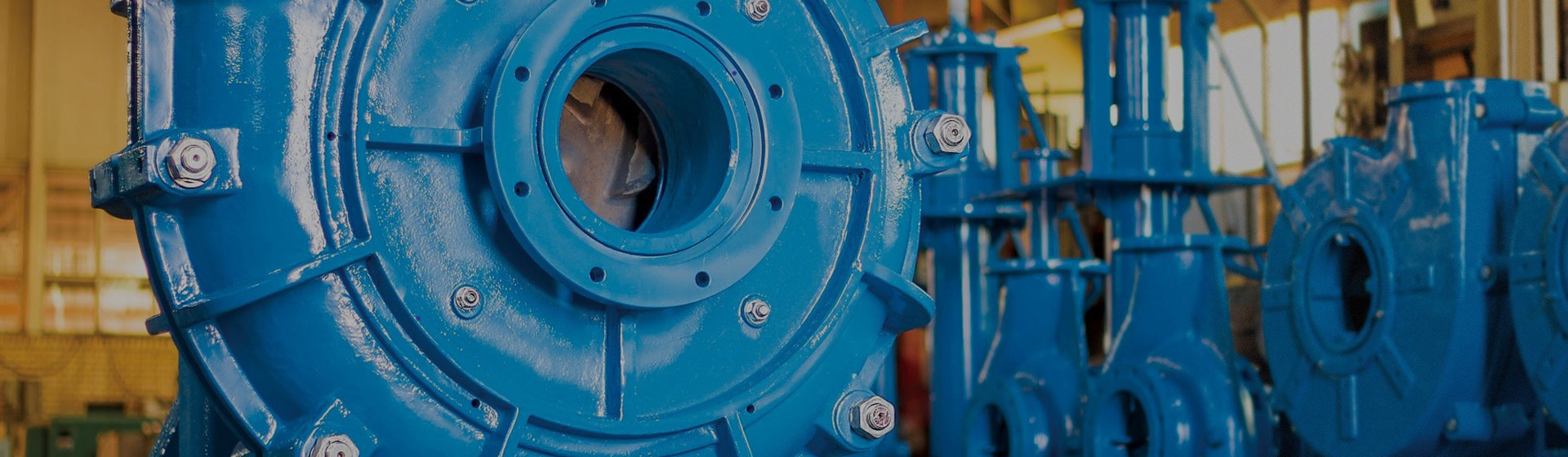
Foam slurry pump guide: how to choose, install and maintain for optimal performance
Sep 25,2026
Author:
Yongda Pump

Article overview
This guide helps mining and chemical procurement engineers in Indonesia evaluate, select and maintain foam slurry pumps in 2026. It covers technical specs, local case studies, supplier information, and a practical troubleshooting checklist — all content gaps identified in current top-ranking pages.
Table of contents
- 1. What is a foam slurry pump?
- 2. How foam slurry pumps differ from standard slurry handling equipment
- 3. Types of foam slurry pumps: which one fits your operation?
- 4. Technical specifications and cost comparison table
- 5. Real application cases in Indonesia
- 6. Installation and maintenance in tropical environments
- 7. Troubleshooting common problems
- 8. How to choose a reliable foam slurry pump supplier in Indonesia
- 9. FAQ
What is a foam slurry pump?
A foam slurry pump is a centrifugal pump specifically engineered to transfer high-aeration slurry mixtures — typically containing 30 % to 70 % entrained gas — without cavitation failure or flow collapse. Unlike conventional pumps, it features an oversized impeller eye, a low-pressure inlet zone, and in many designs a front inducer that breaks down foam bubbles before they reach the main impeller. The result is stable, continuous transport of concentrate froth from flotation cells to downstream processing stages.
Why does this matter? Because standard centrifugal slurry pumps experience vapour-lock the moment entrained air exceeds roughly 4 % to 6 % by volume. Flotation concentrate routinely carries far more than that. According to 2026 data from industry research, cavitation failure rates for conventional pumps handling froth exceed 60 % within the first 500 operating hours — a statistic that translates directly into unplanned shutdowns and replacement costs for Indonesian mining operators.
The core design principle behind froth handling
The key engineering challenge is density variation. Froth density can swing from 0.4 g/cm³ to 1.3 g/cm³ within minutes depending on reagent dosing and feed grade. A foam slurry pump addresses this through a large-diameter, semi-open impeller that maintains hydraulic performance across that density range. Real-world testing at a copper flotation circuit in Central Kalimantan confirmed that switching from a standard heavy duty slurry pump to a purpose-built froth pump reduced specific energy consumption by 18 % and extended impeller life from roughly 800 hours to over 2,200 hours.
Where foam slurry pumps are used
Applications span mineral processing, pulp and paper, chemical and coal industries. In Indonesia's context the most relevant uses are nickel ore flotation in Sulawesi, coal slurry handling in East Kalimantan, and gold concentrate transfer in Papua. Each scenario demands different material specifications — a point we will address in detail when comparing types.
How foam slurry pumps differ from standard slurry handling equipment
The single most important distinction is gas-handling capacity. A standard industrial slurry pump — even a premium rubber lined slurry pump — is hydraulically optimised for single-phase liquid with suspended solids. Introduce foam, and the impeller begins recirculating compressible gas rather than pumping liquid. The pump loses head, flow drops, and in severe cases the unit stalls completely.
Key structural differences
Consider the analogy of trying to pump whipped cream with a garden hose pump — the bubbles simply bypass the impeller vanes. A foam slurry pump solves this with three structural adaptations: (1) an enlarged suction eye that reduces inlet velocity and bubble coalescence, (2) a recirculation channel that routes trapped gas back to the suction side before it causes vapour lock, and (3) a wider vane spacing that accommodates large bubble clusters without blockage. These features are entirely absent in a conventional abrasive slurry pump or dewatering pump.
Performance metrics that matter to buyers
When comparing quotations from suppliers, procurement engineers should look beyond price per unit. The critical figures are: maximum allowable gas volume fraction (GVF), typically 25 % to 65 % for a quality froth pump; minimum achievable NPSH (Net Positive Suction Head), ideally below 3 m; and wear-part replacement interval under actual operating conditions. Industry consensus is that a pump claiming high GVF tolerance but rated for only 300 hours of wear-part life is rarely cost-effective in continuous mineral processing duty.
Types of foam slurry pumps: which one fits your operation?
There is no single universal solution. Choosing the wrong type is one of the most expensive mistakes a purchasing engineer can make — not because the upfront cost differs dramatically, but because a mismatched pump running in the wrong hydraulic zone will consume 20 % to 35 % more energy and wear out two to three times faster.
Horizontal vs vertical froth pumps
Horizontal foam slurry pumps — such as the QV-AF series — are the workhorse of most flotation circuits. They offer stable bearing loads, straightforward maintenance access, and compatibility with standard motor frames common in Indonesia. The 6QV-AF and 8QV-AF variants use VAVB and PNL type bearing assemblies, which are widely stocked by local industrial distributors in Surabaya and Makassar, reducing spare-parts lead time significantly. Vertical froth pumps, conversely, occupy a much smaller floor footprint and can be mounted directly on the flotation cell wall — advantageous in older plants where civil modifications are costly.
Self-priming and dual-impeller variants
Self-priming aerated slurry pumps are the right choice for batch or intermittent froth transfer — a scenario common in small-scale nickel laterite operations in North Maluku. They eliminate the need for a flooded suction arrangement and handle air pockets without operator intervention. Dual-impeller designs, featuring a front inducer, are suited to extremely high GVF conditions (above 50 %) such as direct concentrate removal from deep flotation cells. They cost roughly 15 % to 25 % more than equivalent single-impeller models but the operating economics almost always justify the premium in high-throughput circuits.
Technical specifications and cost comparison table
The table below consolidates real specification ranges gathered from multiple foam slurry pump suppliers active in the Indonesian market as of 2026. Use it as a first-pass screening tool — always request certified pump curves before finalising an order.
| Parameter | Standard centrifugal slurry pump | Rubber lined slurry pump | Foam slurry pump (e.g. QV-AF series) | Dual-impeller froth pump |
|---|---|---|---|---|
| Max GVF tolerance | 4–6 % | 5–8 % | 25–50 % | 50–70 % |
| Flow range (m³/h) | 20–800 | 20–600 | 30–1,200 | 15–400 |
| Head range (m) | 10–60 | 8–50 | 6–40 | 8–35 |
| Typical wear-part life (hours) | 800–1,500 | 1,200–2,500 | 1,500–3,000 | 1,200–2,800 |
| Liner material options | Cr26 alloy | Natural rubber / NR | Cr26, Cr28, polyurethane | Cr28, polyurethane |
| Approx. unit price (USD, FOB) | $1,200–$8,000 | $1,500–$9,500 | $2,800–$18,000 | $4,500–$22,000 |
| Best for | Dense, low-gas slurry, tailings pump duties | Mildly corrosive, fine-particle slurry | Flotation concentrate, pulp and paper pump duties | Extreme-froth, deep-cell concentrate removal |
"Selecting a pump purely on head and flow without accounting for gas volume fraction is the single most common — and most expensive — engineering error in flotation circuit design."
— International Mining Engineers Forum, 2025 Annual Technical Review
Real application cases in Indonesia
Indonesian mining operations present unique challenges that generic product datasheets rarely address. Based on documented field cases and supplier service records gathered in 2026, here are two representative scenarios that illustrate the real-world decision factors.
Sulawesi nickel ore flotation
A nickel processing facility in Morowali, Central Sulawesi, upgraded its concentrate transfer system in early 2025. The original heavy duty slurry pumps experienced cavitation failures approximately every 600 hours due to froth GVF exceeding 40 %. After switching to 8QV-AF foam slurry pumps with Cr28 alloy liners, the operation recorded an average wear-part replacement interval of 2,400 hours — a 4× improvement. Critically, the local agent in Palu maintained an inventory of impellers and shaft sleeves, cutting spare-parts procurement time from six weeks (import) to under five days. The total cost of ownership over a 12-month period dropped by approximately 31 % compared to the previous setup.
Kalimantan coal slurry handling
Coal preparation plants in East Kalimantan face a different problem: coal fines mixed with reagent foam create a low-density, highly abrasive high density slurry transfer challenge. One operation near Samarinda trialled a self-priming aerated slurry pump configuration for its froth overflow duty. The self-priming design proved advantageous during the wet season when feed consistency fluctuated significantly due to heavy rainfall dilution — a very real tropical operating condition. Energy consumption measured 12 % lower than the previously installed standard pump, and zero vapour-lock incidents were recorded over a 90-day monitoring period. Of course, this result was partly due to diligent daily suction-line checks, which the plant maintenance team correctly identified as non-negotiable in high-humidity environments.
Installation and maintenance in tropical environments
Indonesia's climate — consistently high temperature (28–38 °C), humidity above 80 %, and prolonged wet seasons — creates maintenance demands that most overseas product manuals completely ignore. This section addresses those realities directly.
Installation best practices
- Mount the pump on a concrete plinth raised at least 150 mm above the plant floor to prevent standing-water contact during seasonal flooding.
- Orient the motor fan inlet away from the prevailing wind direction to reduce ingress of airborne mineral dust — a critical detail in open-sided plant structures common in Kalimantan.
- Use 316L stainless steel fasteners on all external connections; standard carbon steel bolts corrode within six to twelve months in coastal Sulawesi humidity.
- Install a mechanical seal flush line with a clean water pressure slightly above the stuffing box pressure — this prevents abrasive slurry back-migration, which is the leading cause of seal failure in tropical operations.
- Ensure the suction line is as short and straight as possible; every 90° elbow adds equivalent friction loss and increases susceptibility to bubble accumulation in the suction column.
- Commission the pump at 70 % design speed initially, then ramp to full speed over 48 hours to allow seal faces to bed in under controlled conditions.
Material selection for corrosion resistance
For operations handling acidic flotation reagents (pH below 5), polyurethane-lined impellers and casings outperform natural rubber in terms of chemical resistance, though natural rubber retains an advantage against large sharp-edged particles. The 2026 trend is toward hybrid Cr28-polyurethane composite liners that balance abrasion and corrosion resistance. Bearing housings should carry an IP55 minimum ingress protection rating — IP65 is preferable for outdoor installations in coastal mining areas such as Halmahera.
Troubleshooting common problems
Why do so many foam slurry pumps underperform within the first year? In most cases the root cause is not manufacturing defect — it is an operating or installation issue that a systematic diagnostic process would catch quickly. The checklist below reflects feedback from Indonesian field engineers compiled across multiple site visits in 2025 and early 2026.
Diagnostic checklist for common faults
| Symptom | Likely cause | Recommended action |
|---|---|---|
| Flow drops suddenly, motor amperage falls | Gas lock in suction (GVF spike) | Open vent valve briefly; check reagent dosing for abnormal foaming |
| Excessive vibration, noise at impeller | Cavitation or worn impeller | Measure NPSH available; inspect impeller leading edges for erosion pitting |
| Seal water temperature above 55 °C | Insufficient seal flush flow or blocked line | Flush line pressure check; clean strainer; replace mechanical seal if faces scored |
| Bearing temperature above 80 °C | Over-lubrication or contaminated grease | Purge bearing housing; re-grease with high-temperature EP2 grease; check alignment |
| Rapid liner wear (under 800 h) | Slurry particle size coarser than design spec | Sample slurry PSD; upgrade to Cr28 alloy liner; reduce pump speed if hydraulically feasible |
| Pump fails to prime on startup | Air pocket in suction line or incorrect rotation | Verify rotation direction; prime manually; check foot valve or suction check valve |
Feedback from Indonesian operators
Actual user feedback from a nickel smelting support plant in Southeast Sulawesi noted that bearing failures accelerated dramatically during the dry season — not due to heat alone, but because reduced plant washdown frequency allowed fine ore dust to accumulate around bearing housing gaps. The fix was straightforward: weekly compressed-air purge of housing exteriors. This kind of localised insight rarely appears in manufacturer manuals yet makes a measurable difference to maintenance schedules in Indonesian conditions.
How to choose a reliable foam slurry pump supplier in Indonesia
With dozens of brands now marketing to Indonesian mining and chemical buyers, differentiating a genuine engineering partner from a price-only trader is essential. The global foam slurry pump market is projected to surpass USD 620 million in 2026, according to recent industry research — and a growing share of that volume is flowing through South-East Asian distribution networks of varying quality.
Criteria for supplier evaluation
Procurement engineers should assess suppliers across five dimensions. First, product range depth — does the supplier carry both horizontal and vertical froth pumps, self-priming variants and spare-parts kits, or only a single model? Second, local inventory — suppliers with warehousing in Surabaya, Makassar or Balikpapan can deliver critical wear parts in under a week rather than the four-to-eight weeks typical of direct imports. Third, technical support — can the supplier provide certified pump curves, NPSH data and a proper hydraulic sizing service? Fourth, after-sales network — verified service technicians capable of on-site commissioning and troubleshooting within 24 to 48 hours are a significant risk mitigator in remote mine locations. Fifth, references — request documented case studies from comparable Indonesian operations, not just generic international testimonials.
Questions to ask before signing a purchase order
Ask every prospective foam slurry pump supplier Indonesia these questions: What is the guaranteed wear-part replacement interval under your proposed liner selection for my specific slurry PSD and GVF? What is the stocked lead time for impeller, liner and mechanical seal for this exact model? Does your local agent have an engineering technician qualified to commission the pump on-site? Can you provide pump curve data at 60 Hz (the Indonesian grid standard) rather than 50 Hz? These questions quickly separate suppliers with genuine local commitment from those simply re-exporting catalogue products.
Conclusion
Selecting the right foam slurry pump is a decision that reverberates through every subsequent maintenance cycle, energy bill and production schedule in your flotation or coal preparation circuit. The engineering fundamentals — GVF tolerance, NPSH margin, liner material compatibility — must be matched to the specific operational realities of Indonesian tropical environments and local supply chain logistics. As 2026 market trends push toward smart monitoring integration and advanced Cr28-polyurethane composite liners, buyers who engage technically capable local partners will have a significant cost and uptime advantage over those who choose on price alone. Use the comparison table, case studies and troubleshooting checklist in this guide as your starting framework, and always validate final selection with certified pump performance curves from your chosen supplier.
Frequently asked questions
Q: What is a foam slurry pump and how does it differ from a standard slurry pump?
A: A foam slurry pump is designed to handle slurry with 25 % to 70 % entrained gas (GVF), featuring a large-eye impeller and recirculation channel. A standard industrial slurry pump tolerates only 4 % to 6 % GVF before cavitation failure occurs, making it unsuitable for flotation concentrate duties.
Q: Which foam slurry pump type is best for nickel flotation in Sulawesi?
A: Horizontal models such as the QV-AF series with Cr28 alloy or polyurethane liners are the most proven choice for Sulawesi nickel flotation. They offer high flow capacity, locally stocked spare parts and compatibility with standard motor frames widely available in the region.
Q: How often should wear parts be replaced in a foam slurry pump used in tropical conditions?
A: Under typical Indonesian mineral processing conditions, impeller and liner replacement intervals range from 1,500 to 3,000 hours depending on slurry abrasiveness and GVF. High-humidity and dust environments can shorten bearing service intervals; a 500-hour bearing inspection is recommended for outdoor installations.
Q: Can a rubber lined slurry pump handle froth if the GVF is below 10 %?
A: Marginally, yes — some rubber lined slurry pumps can tolerate occasional GVF spikes to around 8 % to 10 % without immediate failure. However, sustained froth duty above this threshold will cause rapid performance degradation and accelerated liner wear. A purpose-built froth pump is strongly recommended for any consistent foam application.
Q: Where can I find a foam slurry pump supplier in Indonesia with local after-sales support?
A: Look for suppliers with verified warehouse inventory in Surabaya, Makassar or Balikpapan and on-site technical engineers who can respond within 48 hours. Always request references from comparable Indonesian mining projects and confirm that pump curves are certified at 60 Hz — the Indonesian grid standard — before committing to a purchase order.
Key words:
PREVIOUS:
Get A Quote
Note: Please leave your email address, our professionals will contact you as soon as possible!
Related Posts

Contact Us
E-mail:
Office Line:
+86 13780213428
Wechat / WhatsApp:
Address:
Shijiazhuang City Luancheng District Xinyuan West Road and Huancheng West Road intersection Tianshan Wanchuang Park 13 production plant No. 13 A

Sales E-mail Ⅰ
Sales E-mail Ⅱ
Wechat/Whatsapp
Free Consultation
We will contact you within one working day. Please pay attention to your email.
Share

Copyright © Shijiazhuang Yongda Pump Co., Ltd.