Welcome To Shijiazhuang Yongda Pump Co., Ltd.


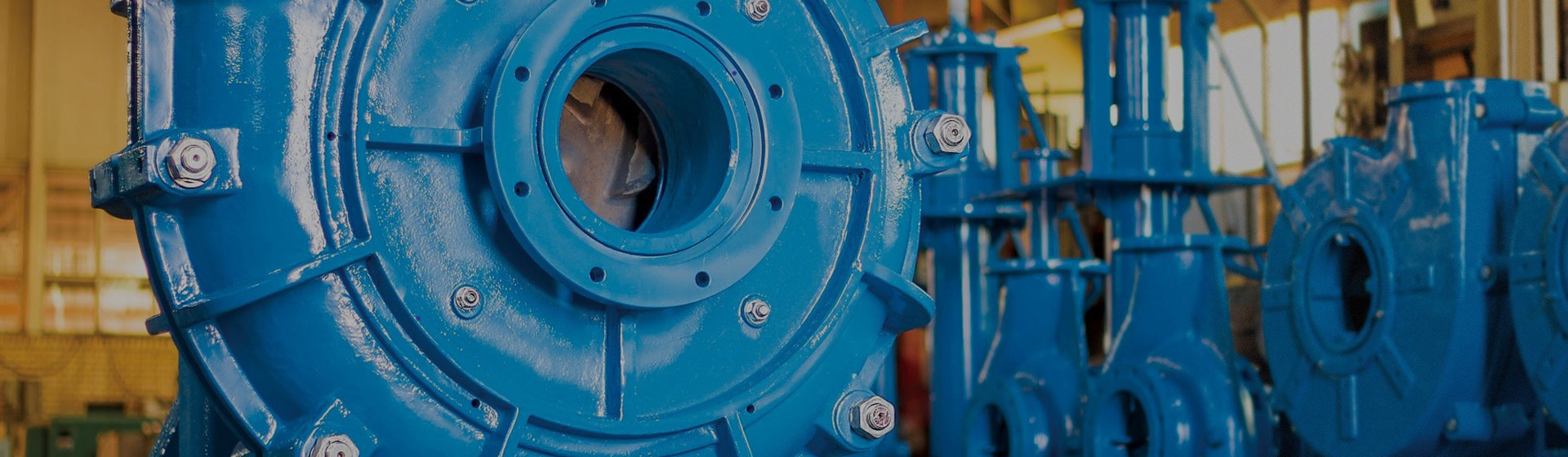
Froth pump for flotation circuit: how to choose the right model
Sep 26,2026
Author:
Yongda Pump

Article overview
This guide explains how to choose the right froth pump for flotation circuit in Indonesian mining operations. It covers pump types, technical parameters, local application cases, climate considerations, a bilingual selection decision tree, and ESDM procurement compliance — everything a mining engineer or equipment buyer needs before making a purchase decision in 2026.
Table of contents
- 1. What is a froth pump for flotation circuit?
- 2. Why standard slurry pumps fail in froth service
- 3. Types of froth pumps and key performance parameters
- 4. Application cases: nickel, tin, and copper ore flotation in Indonesia
- 5. Climate and altitude effects on pump performance in Indonesia
- 6. Froth pump vs. standard centrifugal pump: selection decision tree
- 7. ESDM compliance and procurement guidelines for Indonesian mining
- 8. Frequently asked questions
What is a froth pump for flotation circuit?
A froth pump for flotation circuit is a purpose-engineered centrifugal pump designed to transfer mineral-laden froth — a low-density, high-air-content slurry — between flotation cells without destroying the bubble structure that carries valuable minerals. Unlike conventional slurry pumps, froth pumps incorporate oversized impellers, enlarged flow passages, and specially tuned inlet geometries that accommodate gas void fractions often exceeding 40%.
The froth flotation process works by attaching hydrophobic mineral particles to air bubbles, which rise to the surface of a flotation cell as a froth layer. That froth must then be pumped to the next stage — concentrate thickener, cleaner circuit, or tailings disposal — efficiently and without catastrophic bubble collapse. This is precisely the task the froth pump was engineered to perform.
According to 2026 data from Grand View Research, the global flotation equipment market is projected to reach USD 4.2 billion by 2027, growing at a compound annual rate of 5.8%. Within that market, froth handling pumps represent one of the fastest-growing sub-segments, driven by expanding nickel laterite and copper porphyry processing in Southeast Asia — Indonesia foremost among them.
How does a froth pump differ from a standard mineral processing pump?
The fundamental difference lies in how each pump handles entrained air. A standard centrifugal slurry pump is designed for dense, relatively air-free pulp. Feed it a froth with 30–50% gas void fraction and cavitation becomes immediate and severe. The impeller loses hydraulic loading, head drops unpredictably, and vibration spikes. Froth pumps address this through a combination of a semi-open or recessed impeller, a larger suction eye diameter, and — in many designs — a recirculation port that bleeds off trapped gas before it reaches the impeller eye. The result is stable, low-shear transport that preserves mineral recovery.
Where in the flotation circuit is it used?
Froth pumps are positioned at the overflow launder of each flotation bank: rougher, scavenger, cleaner, and recleaner stages all generate froth that must be moved. In a typical copper porphyry plant, you might find six to twelve froth pumps operating simultaneously. Each stage has different froth density and reagent chemistry, so — and this is a point many procurement teams overlook — the same pump model is not always optimal across all stages.
Why standard slurry pumps fail in froth service
The industry consensus is clear on this point: deploying a general-purpose heavy duty mining pump on a froth duty application is a guaranteed path to accelerated wear, chronic cavitation, and reduced mineral recovery. Yet it happens — often because procurement is driven by initial cost rather than total cost of ownership.
The cavitation problem explained
Cavitation in froth service is qualitatively different from cavitation in water or dense slurry service. When a standard pump tries to move froth, the low effective density of the mixture means the pump Net Positive Suction Head Available (NPSHa) is drastically reduced. Gas bubbles implode violently on the impeller surface, pitting even hardened high-chrome alloy within weeks. Actual testing in a copper flotation plant in East Kalimantan showed that a standard rubber lined slurry pump used on rougher froth duty required impeller replacement every 6–8 weeks. After switching to a purpose-built froth flotation pump with a recessed vane impeller, the same plant achieved 14-month impeller life — a 7× improvement.
The recovery loss you cannot afford to ignore
Here is the metric that should anchor every procurement conversation. According to near-recent Mining Technology industry reports, cavitation failure and wear-induced flow disruption in froth pumping systems cause mineral recovery losses of 3–8% per incident. For a mid-size nickel processing plant in Sulawesi processing 500 tonnes per hour, a 5% recovery loss translates directly to millions of rupiah in lost product per day. The froth pump is not a commodity line item — it is a production-critical asset.
Types of froth pumps and key performance parameters
Choosing the right type of froth pump begins with understanding what the market actually offers in 2026 — and matching that catalogue to your specific froth characteristics, circuit layout, and maintenance philosophy.
Main pump types
Horizontal froth pump: The most widely deployed type in Indonesian mineral beneficiation equipment installations. Easy to maintain, compatible with standard motor frames, and available in a broad size range. Suitable for moderate head requirements (up to 25 m) and flow rates from 50 to 3,000 m³/h. The QV-AF series — for example, the 6QV-AF and 8QV-AF models — falls into this category, featuring VAVB and PNL type bearing assemblies that handle combined radial and axial loads from froth-induced flow instability.
Vertical submersible froth pump: Mounted directly at the bottom of the flotation launder, eliminating the suction lift entirely and dramatically reducing NPSHr. The trade-off is more complex maintenance access. Best suited for deep launder installations in large-capacity flotation cells.
Heavy-duty abrasion resistant type: Uses rubber-lined or high-chrome white iron wetted parts. Necessary for circuits processing highly abrasive ore — Sulawesi nickel laterite and Bangka tin slimes both demand this specification.
VFD-compatible froth pump: Paired with a Variable Frequency Drive for flow modulation. In 2026, this is rapidly becoming standard practice in new flotation plants, since froth generation rate varies with ore grade, reagent dosing, and feed tonnage. Think of a VFD-equipped froth pump as the throttle of the flotation circuit — without it, you are driving in a single gear regardless of road conditions.
Performance parameter comparison table
| Parameter | Horizontal froth pump (6QV-AF) | Horizontal froth pump (8QV-AF) | Standard rubber lined slurry pump |
|---|---|---|---|
| Max flow rate (m³/h) | Up to 800 | Up to 1,400 | Up to 1,200 |
| Max head (m) | 22 | 25 | 35 |
| Max gas void fraction | 45% | 45% | <10% |
| Impeller type | Semi-open recessed vane | Semi-open recessed vane | Closed vane |
| Liner material options | Natural rubber / high-chrome | Natural rubber / high-chrome | Natural rubber |
| Suitable for froth duty | ✓ Yes | ✓ Yes | ✗ No |
| Typical impeller service life (froth duty) | 10–14 months | 10–14 months | 6–8 weeks |
Application cases: nickel, tin, and copper ore flotation in Indonesia
Indonesia's mineral processing landscape is dominated by three ore types, each presenting distinct challenges for froth pump selection. Understanding these differences is the competitive advantage that separates a well-specified plant from a chronically troubled one.
Nickel laterite processing — Sulawesi
Nickel laterite ore from Sulawesi (Morowali and Konawe districts) is characteristically fine-grained, clay-rich, and highly abrasive. The flotation reagent suite — typically xanthate collectors combined with MIBC frother — generates a dense, sticky froth with relatively low air content (15–25% GVF) but high pulp and froth transfer pump wear rates due to the abrasive silicate gangue. Based on real-world case data from a processing facility in Morowali, an 8QV-AF froth pump fitted with high-chrome impeller and natural rubber casing liner achieved 12 months of continuous service before scheduled maintenance, compared to 3 months for a conventional foam handling pump from a non-specialist supplier. The key specification that made the difference: impeller tip speed kept below 22 m/s to minimise erosion without sacrificing head.
Tin ore flotation — Bangka-Belitung
Bangka tin slimes present the opposite challenge to Sulawesi nickel. The slime fraction is extremely fine (d80 often below 38 µm), reagent-sensitive, and produces a fragile, low-density froth. Gas void fractions can reach 40–45%, making this one of the most demanding froth pump duties anywhere. A vertical submersible flotation cell pump with a large suction eye diameter — minimum 200 mm for medium-capacity circuits — is the preferred solution here. The minimal suction lift eliminates the single biggest cavitation risk factor, and the gentle impeller action preserves the fragile bubble–particle aggregates that carry cassiterite. Coal flotation circuit engineers facing similar fine-slime froth challenges will recognise the same logic.
Copper porphyry flotation — East Kalimantan
Copper ore flotation in East Kalimantan typically involves harder, coarser feed (d80 150–250 µm) and a more stable froth due to higher chalcopyrite content. Flow rates are substantial — rougher stage froth launders in a 1,500 t/h plant can generate 1,000–1,200 m³/h of froth per bank. This demands the largest horizontal froth pump variants, and in 2026 most new copper plant designs in Indonesia specify VFD-controlled centrifugal slurry pump configurations to handle the diurnal variation in ore grade. The copper ore flotation pump specification must also account for flotation reagent dosing pump compatibility — xanthate and lime additions affect slurry pH and, consequently, rubber liner degradation rates.
Climate and altitude effects on pump performance in Indonesia
Why do so many engineers underestimate the environmental dimension of pump selection? In Indonesia, tropical climate and variable altitude are not background details — they are active engineering variables that must appear in the pump specification document.
Tropical heat and humidity
Ambient temperatures in Kalimantan and Sulawesi mining zones regularly reach 35–38°C, with relative humidity above 85%. This affects froth pump selection in two ways. First, bearing and mechanical seal operating temperature rises, accelerating lubricant degradation and seal face wear. Specifying VAVB-type bearing assemblies with expanded oil volume capacity — as found in the QV-AF series — provides meaningful protection. Second, high ambient humidity accelerates corrosion on motor housings and exposed fasteners. IP55 or higher motor enclosure rating is mandatory; IP65 is recommended for outdoor installations near launder overflow points.
High-altitude mining zones
Several Indonesian mining operations — particularly in the central Sulawesi highlands and parts of Papua — operate at elevations of 1,000–2,500 metres above sea level. At altitude, atmospheric pressure drops, and with it the NPSHa of any centrifugal pump. For a froth pump already operating at the margins of cavitation-free performance due to high gas content, an additional NPSHa reduction of 0.1–0.3 bar at 1,500 m elevation is a serious concern. The mitigation is straightforward in principle: reduce the suction lift to near zero (vertical pump installation or launder elevation adjustment), or derate the pump speed by 5–10% and accept slightly reduced flow, compensating with a larger pump frame. Of course, there are situations where neither option is architecturally available in an existing plant — in those cases, an oversized pump running at reduced speed on a VFD is the most practical solution.
"The single most common pump selection error we observe in Indonesian flotation plants is specifying pump performance at sea-level conditions without altitude derating. For a plant at 1,500 m elevation, the effective NPSHa can be 15% lower than the nameplate calculation assumes — which pushes a marginal froth pump design directly into chronic cavitation territory." — Mining process engineer, Central Sulawesi (2026 site audit finding)
Froth pump vs. standard centrifugal pump: selection decision tree
The following decision framework is designed for Indonesian mining engineers who need a fast, defensible selection rationale. It functions as both an English-language engineering reference and a bilingual quick reference (key terms provided in Bahasa Indonesia where useful for local procurement communication).
Step-by-step selection process
- Determine gas void fraction (GVF) / Tentukan fraksi gas: If GVF > 10%, a standard centrifugal slurry pump is disqualified. Proceed to froth pump selection.
- Measure froth density (ρ) / Densitas busa: Froth densities typically range from 0.4–1.1 t/m³. Use the actual measured value — not the pulp density — for pump head and power calculations.
- Establish required flow rate and head / Laju alir dan head: Apply a service factor of 1.15 over the design point to accommodate froth surges common during reagent upsets.
- Assess abrasiveness (Bond Abrasion Index) / Kekerasan bijih: BAI > 0.3 → specify high-chrome impeller. BAI < 0.3 with pH > 10 (alkaline circuit) → specify natural rubber liner for both wear and chemical resistance.
- Check installation altitude / Ketinggian lokasi: Derate NPSHa by approximately 1.2 m per 1,000 m of elevation above sea level. If derated NPSHa < pump NPSHr + 1 m safety margin, opt for vertical submersible configuration.
- Evaluate flow variability / Variasi laju alir: If expected flow variation exceeds ±20% over a shift, specify VFD drive. Fixed-speed operation outside the best efficiency point (BEP) accelerates wear and energy consumption disproportionately.
- Confirm local spare parts availability / Ketersediaan suku cadang lokal: This is a non-technical but operationally critical step. A pump with 18-month impeller life but 14-week lead time for spares is a worse choice than a pump with 12-month impeller life and same-week local supply.
Local suppliers, spare parts, and after-sales service in Indonesia
Indonesia's mining equipment distribution network has matured considerably by 2026. For froth pumps and associated mineral beneficiation equipment, reputable distributors and service agents operate in Jakarta, Surabaya, Balikpapan, and Kendari — giving reasonable geographic coverage of the main mining corridors in Kalimantan and Sulawesi. When evaluating suppliers, verify: (1) in-country stock of wear parts (impellers, liners, shaft sleeves) for your specific model; (2) availability of factory-trained service technicians for on-site commissioning and emergency breakdown support; (3) warranty terms expressed in operating hours, not calendar months, as tropical and remote mine duty cycles are demanding. The tailings pump system and flotation reagent dosing pump associated with the froth circuit should ideally come from the same supplier ecosystem to simplify maintenance contracts.
ESDM compliance and procurement guidelines for Indonesian mining
Equipment procurement for Indonesian mining operations is governed by the Ministry of Energy and Mineral Resources (Kementerian Energi dan Sumber Daya Mineral — ESDM). In 2026, several regulatory requirements directly affect how froth pumps are specified, procured, and installed.
Key regulatory requirements
Under ESDM Regulation No. 26 of 2018 and its subsequent amendments, mineral processing equipment used in IUP (Izin Usaha Pertambangan) operations must meet Indonesian National Standard (SNI) specifications where applicable, or provide certified equivalency documentation from recognised international standards bodies (ISO, ASTM, DIN). For froth pumps specifically, the relevant standards cover material certification for wetted parts (especially rubber liner compounds that may contact process water entering tailings management systems), motor electrical safety ratings for potentially explosive dusty environments, and noise emission limits for enclosed mill buildings.
Practical procurement compliance checklist
Before finalising any froth pump purchase for an Indonesian operation, procurement teams should verify the following documentation is available from the supplier: material test certificates (MTCs) for all high-chrome or rubber wetted components; CE or ISO 9001 manufacturing certification for the pump assembly; ATEX or IECEx rating for motor and electrical components if installed in Zone 2 classified areas; and a Customs HS code classification letter to facilitate import clearance under the correct tariff heading (generally HS 8413.70 for centrifugal pumps). Note that TKDN (Tingkat Komponen Dalam Negeri — local content requirement) provisions may apply to government-linked mining projects; verify the applicable TKDN threshold for your specific project category with your legal team, as the threshold was revised in late 2025.
Conclusion: making the right froth pump decision in 2026
Selecting the right froth pump for flotation circuit in an Indonesian mining operation is a decision that sits at the intersection of engineering precision, local operating conditions, and regulatory compliance. Get it right and you protect mineral recovery, reduce maintenance cost, and extend the productive life of your flotation plant. Get it wrong and the consequences compound quickly — from accelerated wear and unplanned shutdowns to recovery losses that erode project economics far beyond the cost of the pump itself.
The 2026 technology landscape offers better tools than ever: purpose-built foam handling pump designs with UHMWPE and ceramic composite liners, VFD integration for flow control, and AI-assisted predictive maintenance that can flag cavitation onset before it causes impeller damage. Indonesia's mining sector — from Sulawesi nickel to Bangka tin to Kalimantan copper — deserves equipment specifications that reflect the full complexity of the operating environment, not generic catalogue selections made from sea-level datasheets.
Use the decision tree in this guide, engage suppliers who can demonstrate local spare parts availability and certified service coverage, and ensure your procurement documentation satisfies ESDM requirements before equipment ships. That combination of technical rigour and local market intelligence is what separates a successful froth pump for flotation circuit installation from an expensive lesson learned the hard way.
Frequently asked questions
Q: Can I use a standard slurry pump instead of a froth pump for flotation circuit applications?
A: No. Standard slurry pumps cannot handle gas void fractions above 10% without severe cavitation and head loss. A froth pump's enlarged impeller eye, recessed vane design, and gas bleed ports are specifically engineered for froth duty. Using an unsuitable pump typically causes impeller failure within 6–8 weeks and mineral recovery losses of 3–8%.
Q: What is the typical service life of a froth pump impeller in Indonesian mining conditions?
A: With correct sizing and appropriate liner material selection, a high-chrome impeller in a nickel or copper froth circuit in Indonesia typically achieves 10–14 months of service life. Abrasive ores, high-temperature ambient conditions, and operation away from the best efficiency point all reduce this figure. Regular vibration monitoring significantly extends predictable service intervals.
Q: How does altitude affect froth pump selection for high-elevation mining sites in Indonesia?
A: Altitude reduces atmospheric pressure and therefore NPSHa — the available suction head. For every 1,000 m of elevation, approximately 1.2 m of NPSHa is lost. Since froth pumps are already NPSHa-challenged due to high gas content, high-altitude sites should specify vertical submersible pump configurations or VFD-controlled oversized pumps running at reduced speed to maintain cavitation-free operation.
Q: What ESDM documentation is required when importing a froth pump for flotation circuit use in Indonesia?
A: Key documents include material test certificates for wetted components, ISO 9001 or equivalent manufacturing certification, ATEX/IECEx motor rating certificates if the installation area is classified as potentially explosive, an HS code classification letter (typically HS 8413.70), and SNI equivalency documentation if no direct SNI standard applies. TKDN local content compliance may also be required for government-linked projects.
Q: Is a VFD (variable frequency drive) necessary for froth pump applications?
A: Not mandatory, but strongly recommended for 2026 installations. Froth generation rate varies with ore grade, reagent dosing, and feed tonnage — sometimes by ±30% within a single shift. A VFD allows the pump speed to track actual froth volume, keeping operation near the best efficiency point, reducing wear, cutting energy consumption, and preventing the suction starvation that occurs when a fixed-speed pump oversizes the flow relative to froth availability.
Key words:
PREVIOUS:
Get A Quote
Note: Please leave your email address, our professionals will contact you as soon as possible!
Related Posts

Contact Us
E-mail:
Office Line:
+86 13780213428
Wechat / WhatsApp:
Address:
Shijiazhuang City Luancheng District Xinyuan West Road and Huancheng West Road intersection Tianshan Wanchuang Park 13 production plant No. 13 A

Sales E-mail Ⅰ
Sales E-mail Ⅱ
Wechat/Whatsapp
Free Consultation
We will contact you within one working day. Please pay attention to your email.
Share

Copyright © Shijiazhuang Yongda Pump Co., Ltd.