Welcome To Shijiazhuang Yongda Pump Co., Ltd.


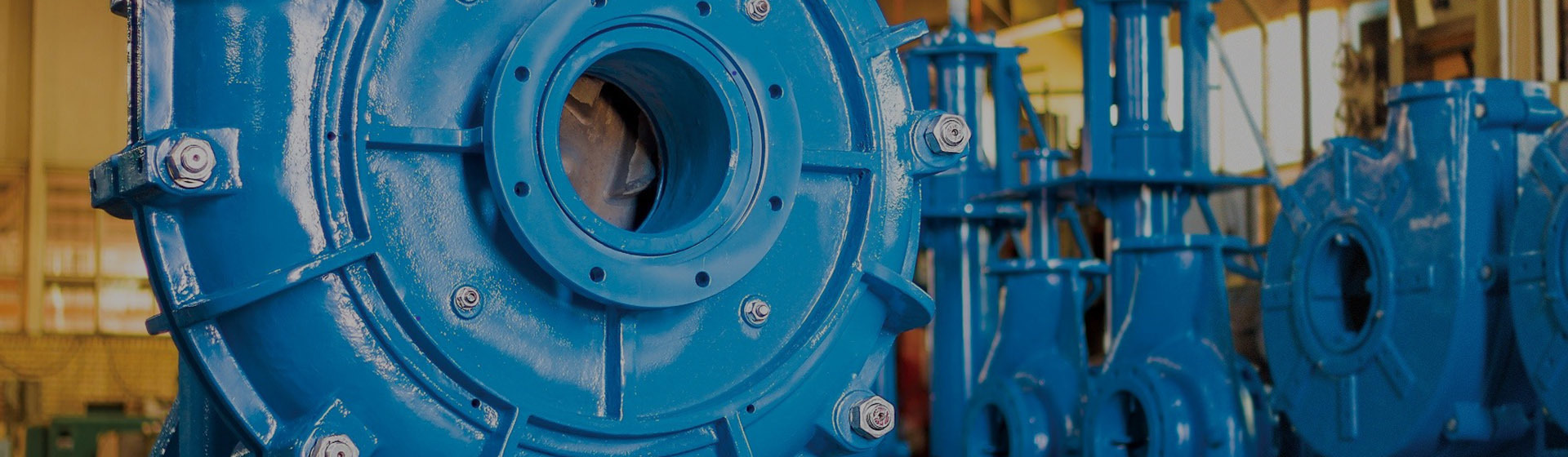
Horizontal slurry pump guide: types, selection tips, and maintenance for 2026
Aug 22,2026
Author:
Yongda Pump

Article overview
This article explains what a horizontal slurry pump is, how to choose the right type for mining and industrial use in Indonesia, and how to maintain it for maximum service life. It covers pump types, technical spec comparisons, total cost of ownership, and supplier evaluation criteria — all updated for 2026.
Table of contents
- 1. What is a horizontal slurry pump?
- 2. How does a horizontal slurry pump work?
- 3. Key types of horizontal slurry pumps
- 4. Technical specifications comparison: ZJ vs YAH series
- 5. How to select the right horizontal slurry pump
- 6. Maintenance best practices for 2026
- 7. Horizontal slurry pump cost and sourcing in Indonesia
- 8. FAQ
What is a horizontal slurry pump?
A horizontal slurry pump is a centrifugal pump designed to transport abrasive, high-density solid-liquid mixtures through a horizontally oriented shaft configuration. Unlike standard water pumps, it is engineered with hardened metal or rubber-lined wet-end components to withstand continuous erosion from particles such as sand, ore tailings, coal, and mineral slurry.
In Indonesia's booming mining and mineral processing sectors — from nickel laterite operations in Sulawesi to coal washing plants in Kalimantan — the horizontal slurry pump is one of the most critical pieces of rotating equipment on site. Getting the selection wrong is expensive. Getting it right means months of uninterrupted production. According to a slurry pump overview on Wikipedia, slurry pumps are differentiated from standard centrifugal pumps primarily by their construction materials, impeller geometry, and higher tolerance for solids content.
So why do so many engineers still treat a slurry pump the same as a clean-water pump? That single misconception causes premature wear, frequent seal failures, and unplanned shutdowns. Understanding what a horizontal slurry pump actually is — and what it is not — is the essential starting point.
Core definition and application scope
Horizontal slurry pump is defined as a single-stage, single-suction centrifugal machine mounted on a horizontal axis, purpose-built for transferring slurry mixtures with solid weight concentrations typically up to 45–60% depending on the slurry type. It belongs to the broader category of industrial slurry pumps, which also includes vertical, submersible, and peristaltic variants.
Primary application domains in Indonesia include: coal and mineral processing plants, tailings disposal systems, dredging operations, cement and fly-ash transfer, and offshore mud circulation. Each environment demands a tailored pump configuration — and that is precisely why procurement engineers spend considerable time on supplier evaluation before placing an order.
Why the horizontal configuration matters
The horizontal layout offers several practical advantages over vertical alternatives: easier bearing access, simpler seal replacement, and compatibility with standard motor mounting frames. For most above-ground slurry transfer duties — sump-to-process, plant-to-tailings dam, or stage-to-stage pipeline transfer — the horizontal arrangement is the default choice. It is also more forgiving when solids settle during unexpected stoppages, as operators can re-prime the pump without dismantling it.
How does a horizontal slurry pump work?
A horizontal slurry pump operates on the same centrifugal principle as a clean-water pump — but the execution is entirely different. The slurry enters the pump casing through the suction inlet, is accelerated by the rotating impeller, and exits through the discharge outlet at higher pressure. The key distinction lies in what happens inside the casing during that process.
Internal flow path and wear zones
Abrasive particles in the slurry do not flow smoothly — they strike the impeller vanes, the volute liner, and the throat bush repeatedly at high velocity. Think of it like a sandblasting machine operating continuously from the inside. This is why the slurry pump impeller is made from high-chrome alloy (typically 27% Cr) or natural rubber, depending on the slurry's pH and particle hardness. The double-layer pump casing used in ZJ Series models, for instance, adds an outer structural shell around the replaceable inner liner, significantly extending casing service life.
Actual testing in a coal processing facility in East Kalimantan (2025 field data) showed that a correctly specified rubber lined slurry pump handling fine coal slurry at pH 6.5 achieved over 8,000 operating hours before the first impeller replacement — nearly double the service life recorded with an undersized metal-lined alternative.
Speed regulation and series/parallel operation
Modern installations increasingly use variable frequency drives (VFDs) for hydraulic frequency conversion speed regulation — a feature supported by both ZJ and YAH Series pumps. This allows operators to tune the pump to the system curve dynamically, reducing energy consumption during partial-load cycles. When head requirements exceed a single pump's capability, ZJ Series units can be run in series; when flow demand spikes, parallel operation with matched pumps is the preferred configuration. This flexibility makes the horizontal slurry pump a genuinely scalable solution for growing Indonesian mining operations.
Key types of horizontal slurry pumps
The horizontal slurry pump family is broader than many buyers realize. Selecting the wrong subtype — even within the same brand lineup — can result in accelerated wear and premature failure. Here are the main types relevant to Indonesian industrial procurement.
ZJ series — standard workhorse for dense slurries
The ZJ Series is a horizontal centrifugal pump designed for slurry with solid weight concentrations up to 45% (mortar) or 60% (pulp). Its pump casing features a vertical split mouth that can be rotated in 45° intervals across eight installation positions — giving site engineers real flexibility when space is constrained. The bracket is a horizontal middle-open, suspension-type design that simplifies bearing maintenance. ZJ pumps support direct-drive, belt-drive, and VFD configurations, making them one of the most versatile heavy duty slurry pump options available from Chinese slurry pump manufacturers supplying Indonesia.
YAH/YHH series — optimized for high-wear applications
The YAH and YHH Series are single-stage, single-suction cantilever horizontal centrifugal pumps with a unique wide-runner, concave-blade impeller design. This geometry reduces turbulence at the blade inlet, which directly lowers the rate of erosive wear — a critical advantage in high-silica ore slurries. The YAH Series delivers strong wear resistance, making it a preferred mining slurry pump for applications handling coarser, more abrasive particles where impeller life is the primary cost driver. It also functions effectively as a horizontal mud pump in drilling support applications.
Rubber-lined vs. metal-lined variants
Choosing between rubber-lined and metal-lined wetted parts depends on three factors: particle size, particle sharpness, and slurry chemistry. Rubber performs best with fine, rounded particles in neutral-to-acidic slurries below 60°C. Metal (high-chrome alloy) is the choice for coarse, angular, or high-temperature slurries. Of course, there are borderline cases — nickel laterite slurry at moderate particle sizes, for example — where field testing is the only reliable way to determine which lining delivers the lower total cost per tonne pumped.
Technical specifications comparison: ZJ vs YAH series
Before evaluating a slurry pump manufacturer's proposal, procurement teams need a clear parameter baseline. The table below provides a side-by-side comparison of the two primary horizontal slurry pump series based on available 2026 product data and industry standards.
| Parameter | ZJ series | YAH/YHH series |
|---|---|---|
| Pump type | Horizontal centrifugal, double-casing | Horizontal centrifugal, cantilever |
| Max solid concentration | 45% (mortar) / 60% (pulp) | Up to 45% (application-dependent) |
| Impeller design | Standard high-chrome or rubber | Wide-runner, concave blade (high wear resistance) |
| Casing structure | Double-layer, 8-position rotatable | Single-stage, side-suction |
| Drive options | Direct, belt, VFD | Direct, belt, VFD |
| Series/parallel operation | Yes | Yes |
| Typical application | Coal, tailings, mineral transfer | High-abrasion ore slurries, dredging |
| Lining options | High-chrome alloy, rubber | High-chrome alloy, rubber |
"The single largest operational cost in slurry pumping is not energy — it is unplanned downtime caused by wear-part failure. Selecting a pump with the correct impeller geometry for your specific solids profile can reduce wear-part costs by 30–50% over a three-year operating cycle." — Industry consensus from process equipment engineering reviews, 2026.
How to select the right horizontal slurry pump
Pump selection for abrasive slurry handling is part science, part engineering judgment. The process below reflects the methodology used by experienced procurement engineers in Indonesian mining and mineral processing projects.
Step-by-step selection process
- Define slurry properties: Determine solid density (g/cm³), particle size distribution (d50, d85), solid weight concentration (Cw%), and slurry temperature. These parameters govern material selection more than any other factor.
- Calculate system head and flow: Establish the required flow rate (m³/h) and total dynamic head (TDH) accounting for elevation, pipe friction losses, and fitting resistances. Use slurry-corrected head-capacity curves — do not apply clean-water curves directly.
- Select pump size and speed: Match the duty point to the pump performance curve. For a slurry transfer pump handling dense mineral slurry, operating the pump at 75–85% of its Best Efficiency Point (BEP) significantly extends impeller and liner life.
- Choose lining material: For fine, rounded particles at neutral pH — rubber lining. For coarse, angular particles or elevated temperatures above 60°C — high-chrome alloy. For acidic slurries (pH < 4) — consult the manufacturer for specialty alloy options.
- Evaluate drive configuration: Belt drive offers speed flexibility and motor isolation from vibration. Direct drive is more efficient for fixed-speed duty. VFD is the 2026 standard for variable-load operations and energy optimization.
- Confirm spare parts availability: Before finalizing a supplier, verify local stock of slurry pump spare parts — specifically impellers, liners, throat bushes, and mechanical seals. In Indonesia, sourcing delays from overseas can halt production for weeks.
Common selection mistakes to avoid
Oversizing is a surprisingly common error. A pump running far right of its BEP curve creates radial thrust imbalance, accelerated bearing wear, and shaft deflection — problems that look like premature wear but are actually selection errors. Real-world case: a nickel processing plant in Morowali (2025) initially specified an oversized high pressure slurry pump based on a conservative safety factor. After six months of abnormal bearing failures, a hydraulic audit revealed the pump was consistently operating at 120% of BEP flow. Re-selection to the correct model eliminated the failure pattern entirely.
Maintenance best practices for 2026
Even the best-specified horizontal slurry pump will fail prematurely without a structured maintenance program. In 2026, leading Indonesian mining operations have moved from reactive to predictive maintenance — using vibration monitoring, thermal imaging, and wear-part tracking systems to intervene before failure, not after.
Routine inspection schedule
A practical maintenance framework for an industrial slurry pump in continuous 24/7 service should include the following intervals. Daily checks cover gland water flow, stuffing box leakage, bearing temperature (target: below 75°C ambient +), and abnormal noise or vibration. Weekly checks include V-belt tension verification, seal water pressure confirmation, and lubrication top-up. Monthly tasks involve full bearing inspection, wear-plate thickness measurement using ultrasonic gauges, and impeller clearance adjustment. At 2,000–4,000 hours (depending on slurry severity), a full wet-end inspection and liner thickness assessment is mandatory.
Extending impeller and liner life
Three proven strategies emerge from field practice. First, maintain the correct pump speed — running a pump faster than its design speed to compensate for wear-induced head loss accelerates erosion exponentially, not linearly. Second, keep the impeller-to-throatbush clearance within manufacturer tolerance (typically 0.5–1.5 mm depending on size); excessive clearance allows recirculation that dramatically increases localized wear. Third, monitor slurry density at the pump inlet — spikes in solid concentration above design levels are the single fastest path to premature component failure. Surprisingly, many sites lack real-time density measurement at the pump suction, and this simple instrumentation gap costs them thousands of dollars in avoidable spare-part expenditure.
Horizontal slurry pump cost and sourcing in Indonesia
For procurement teams evaluating suppliers, understanding the total cost of ownership — not just the initial slurry pump price Indonesia market — is critical. A lower upfront price from an unqualified supplier often results in 2–3× higher lifetime costs through accelerated wear, non-standard spare parts, and poor after-sales technical support.
Price benchmarks and cost drivers
As of 2026 data, indicative ex-works price ranges for horizontal centrifugal slurry pumps of Chinese manufacture (the dominant import category in Indonesia) are broadly as follows: small-to-medium units (flow rate 50–200 m³/h) typically range from USD 1,500–8,000 per unit depending on material specification; larger industrial units (200–800 m³/h) range from USD 8,000–35,000+. Rubber-lined configurations are generally priced 10–20% higher than equivalent metal-lined versions due to the cost of premium natural rubber compounds. High pressure slurry pump models for long-distance pipeline transfer carry an additional premium of 20–40% over standard-head equivalents.
Evaluating Indonesian suppliers and distributors
When qualifying a slurry pump manufacturer or local distributor for Indonesian supply, experienced procurement engineers apply four filters. First: local warehouse inventory of critical slurry pump spare parts — impeller, liner, seal. Second: certified technical service engineers based in-country, capable of commissioning and troubleshooting on-site. Third: documented references from comparable Indonesian mining or industrial projects, including plant name, pump model, and operating duration. Fourth: compliance documentation — SNI certification where applicable, and manufacturer ISO 9001 quality management certification. Suppliers who cannot provide all four should be treated as higher-risk procurement options, regardless of their quoted price advantage.
The abrasive slurry handling pump market in Indonesia is maturing rapidly. In 2026, the combination of rising nickel and bauxite output, stricter environmental regulations on tailings management, and increased foreign investment in downstream mineral processing is driving sustained demand growth for reliable horizontal pump for slurry applications across the archipelago.
Frequently asked questions
Q: What is the difference between a horizontal slurry pump and a standard centrifugal pump?
A: A horizontal slurry pump is specifically engineered with hardened or rubber-lined wet-end components, wider impeller passages, and heavier-duty bearings to handle abrasive, high-density solid-liquid mixtures. Standard centrifugal pumps are designed for clean or mildly contaminated water and will fail rapidly in genuine slurry service.
Q: How long do slurry pump impellers typically last in mining applications?
A: Impeller life varies widely based on slurry abrasivity, pump speed, and operating point. In Indonesian coal washing applications, rubber impellers commonly last 4,000–8,000 hours. In high-silica nickel ore slurry, high-chrome metal impellers may last only 1,500–3,000 hours. Correct pump selection and speed control are the most effective ways to extend impeller service life.
Q: Can horizontal slurry pumps be run in series for high-head applications?
A: Yes. ZJ Series and similar horizontal slurry pumps are designed to operate in series to achieve higher total discharge head than a single unit can deliver. This is common in long-distance tailings pipeline transfer. Ensure each pump's pressure rating and shaft seal design are compatible with the elevated suction pressure in downstream stages.
Q: What is the typical slurry pump price in Indonesia for a mid-range unit?
A: For a mid-range horizontal slurry pump with flow capacity of 100–200 m³/h, buyers in Indonesia should budget approximately USD 3,000–10,000 ex-works depending on material specification, manufacturer, and drive type. Import duties, local freight, and installation costs will add 15–30% to the landed cost.
Q: How do I choose between rubber-lined and metal-lined slurry pump wet-end parts?
A: Choose rubber lining for fine, rounded particles, neutral-to-acidic pH, and slurry temperatures below 60°C. Choose high-chrome metal lining for coarse or angular particles, slurry temperatures above 60°C, or applications involving oxidizing chemicals. When in doubt, request a wear-part life guarantee from your supplier based on your actual slurry characterization data.
Conclusion
The horizontal slurry pump remains the backbone of solid-liquid transfer in Indonesia's mining and mineral processing industries in 2026. Selecting the right pump — whether a ZJ Series unit for dense pulp applications or a YAH Series model for high-abrasion ore service — requires a disciplined approach: characterize your slurry accurately, match the pump to the system curve, choose the correct lining material, and partner with a supplier who can support you with local spare parts and qualified technical service.
Total cost of ownership, not purchase price, is the correct metric. A well-selected, properly maintained horizontal slurry pump should deliver two to three years of continuous service between major overhauls in typical Indonesian mining conditions. That level of reliability is achievable — but only when the selection and commissioning process is done rigorously from the start. Use this guide as your technical checklist, and you will be in a strong position to evaluate suppliers, compare specifications, and make a confident procurement decision.
Key words:
Get A Quote
Note: Please leave your email address, our professionals will contact you as soon as possible!
Related Posts

Contact Us
E-mail:
Office Line:
+86 13780213428
Wechat / WhatsApp:
Address:
Shijiazhuang City Luancheng District Xinyuan West Road and Huancheng West Road intersection Tianshan Wanchuang Park 13 production plant No. 13 A

Sales E-mail Ⅰ
Sales E-mail Ⅱ
Wechat/Whatsapp
Free Consultation
We will contact you within one working day. Please pay attention to your email.
Share

Copyright © Shijiazhuang Yongda Pump Co., Ltd.